Have you ever wondered why some wire connections feel rock-solid while others fail at the worst possible moment? In many DIY electronics projects, RC builds, or small manufacturing setups, the answer often comes down to one humble tool: the dupont crimper. It may look simple, but this tool plays a big role in creating clean, secure, and professional-looking connections.
In this article, we will take a deep dive into what a dupont crimper is, how it works, and why it matters so much. We will also explore common use cases, how to choose the right model, and answer frequently asked questions. Along the way, we will touch on popular long-tail keywords like dupont crimper tool, dupont connector crimping tool, and how to crimp dupont connectors.
If you work with electronics, chances are this tool already sits on your bench—or it should.
What Is a Dupont Crimper and Why Does It Matter?
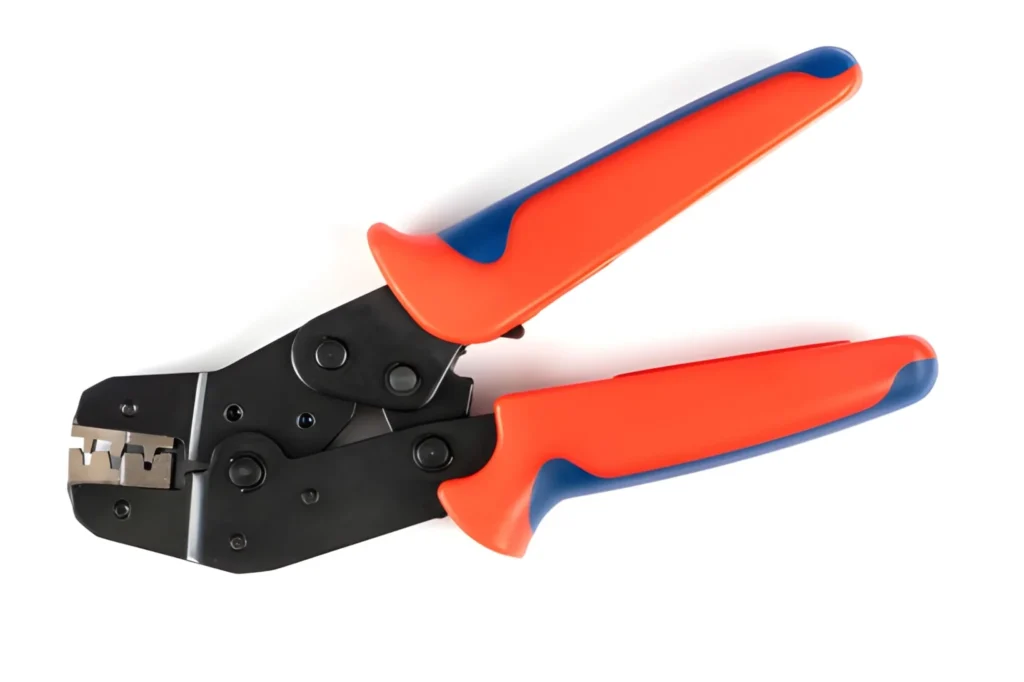
A dupont crimper is a hand tool designed to crimp Dupont-style terminals onto wires. These terminals are commonly used with 2.54 mm pitch housings, which you see everywhere in electronics. Think Arduino projects, breadboards, sensors, and jumper wires. If you have ever used a Dupont cable, this tool helped make it.
What makes a dupont crimper special is precision. The terminals are small. Very small. A proper crimp requires folding tiny metal wings around both the conductor and the insulation. Too loose, and the wire pulls out. Too tight, and the terminal breaks. A good crimp sits right in the sweet spot.
Many beginners try to use generic pliers. We have all been there. It rarely ends well. The result is uneven pressure, damaged terminals, and unreliable connections. A dedicated dupont crimper tool solves this by applying even force and shaping the terminal exactly as intended.
Another reason this tool matters is consistency. When you crimp by hand, results vary. With a proper tool, every connection looks and performs the same. That matters whether you are building one prototype or a thousand cables.
Aspect
Details
Tool type
Manual hand crimper
Supported terminals
Dupont-style open-barrel
Wire range
Typically AWG 28–18
Main benefit
Clean, reliable crimps
If you are sourcing connectors or tools for production or resale, this is also a good moment to send an inquiry or place an order for a tested dupont crimper that matches your wire and terminal specifications.
How a Dupont Crimper Works in Real Projects
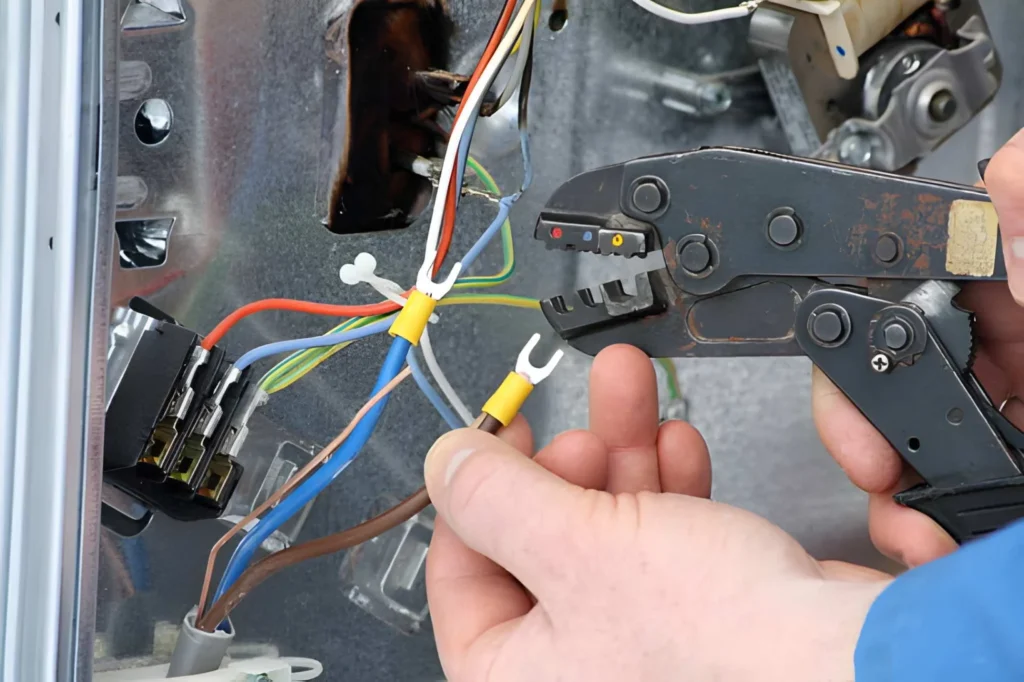
Using a dupont crimper is not complicated, but understanding what happens during the crimp helps you get better results. The terminal has two sets of wings. One grips the bare conductor. The other wraps around the insulation. The crimper die is shaped to fold these wings inward, not flatten them.
When you insert the terminal into the die, alignment is everything. The conductor wings must sit in the smaller section. The insulation wings sit in the wider section. Once the wire is inserted, a firm squeeze completes the crimp. No excessive force is needed. Let the tool do the work.
This process matters because electrical reliability depends on metal-to-metal contact. A proper crimp creates a gas-tight connection. That means no air, no oxidation, and stable resistance over time. This is why many industries prefer crimping over soldering for connectors.
In daily use, a dupont connector crimping tool shines in flexibility. You can create custom cable lengths, repair broken jumper wires, or assemble wiring harnesses on demand. For makers and engineers, this saves time and reduces waste.
There is also a quiet satisfaction in making cables that look factory-made. Straight terminals. Clean housings. No exposed strands. If you enjoy tidy builds, this tool will quickly become a favorite.
Application
Why it works well
Arduino projects
Perfect fit for headers
Prototyping
Fast custom wiring
Repairs
Replace damaged ends
Small batches
Consistent quality
Choosing the Right Dupont Crimper Tool
Not all dupont crimper tools are created equal. Some are designed for hobby use. Others are made for light industrial work. Choosing the right one depends on how often you crimp and what wire sizes you use.
Entry-level tools usually support a wide wire range and cost less. They are fine for occasional projects. However, they may require more hand force and careful alignment. If you crimp often, your hands will notice.
Mid-range tools offer better steel, smoother pivots, and more precise dies. These are a popular choice for serious hobbyists and small workshops. They strike a balance between price and performance.
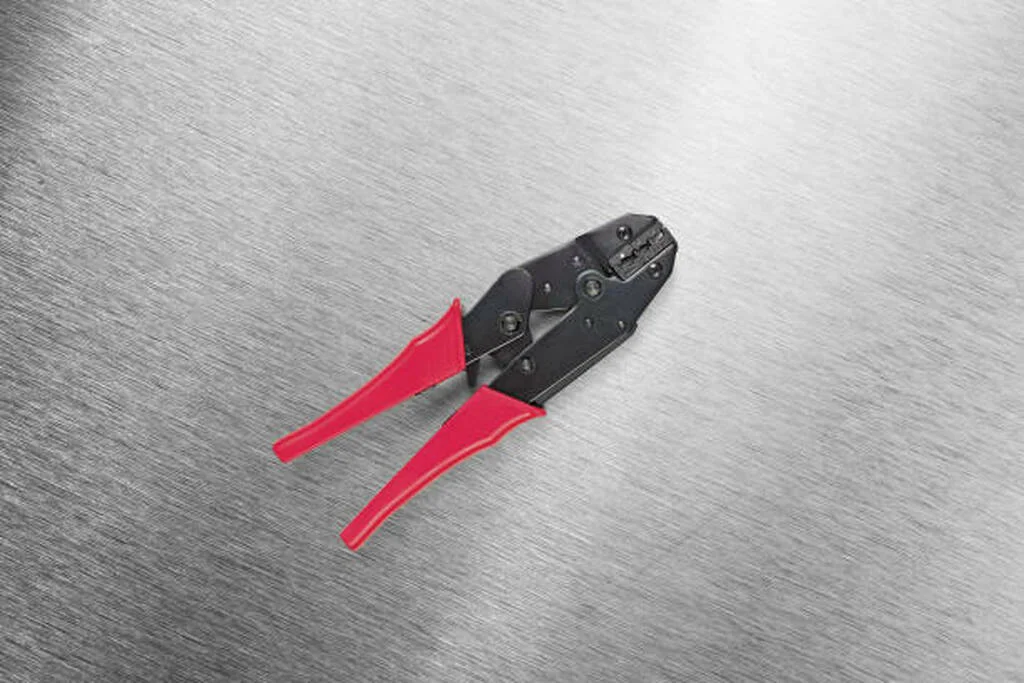
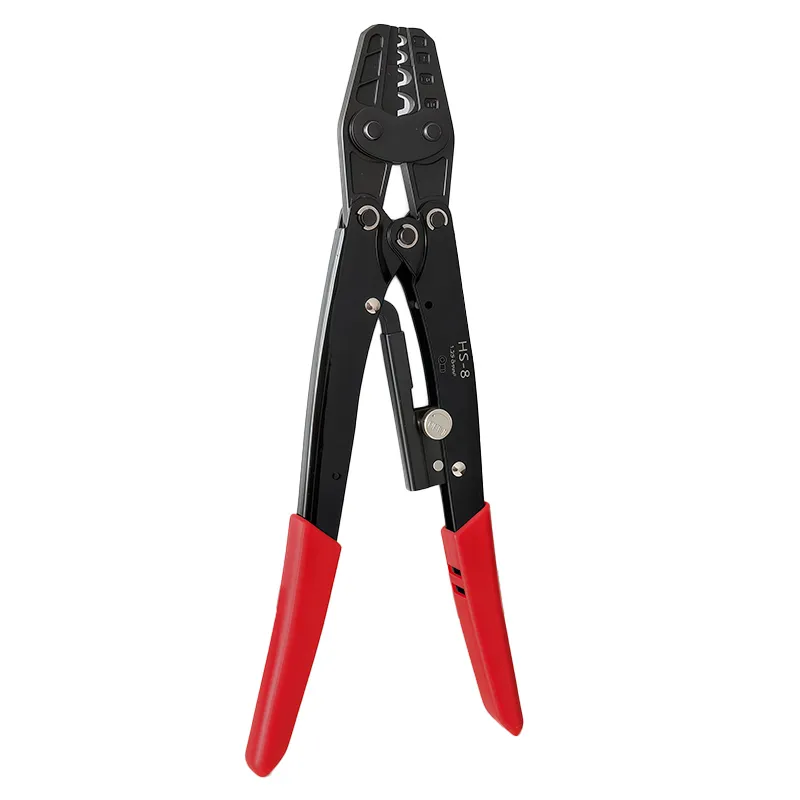
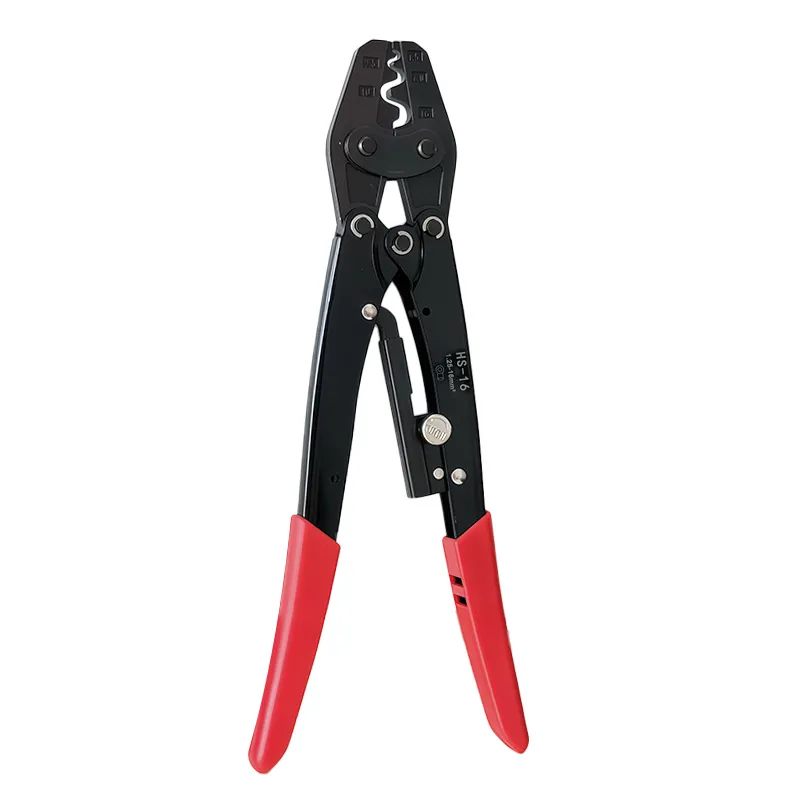
High-end dupont crimper tools are built for repeatability. The dies are precisely machined. The handles are ergonomic. Some models even include ratcheting mechanisms to ensure a full crimp every time. These tools cost more, but they pay for themselves in reduced errors and faster work.
Another factor is terminal compatibility. Some tools are optimized for specific terminal brands or sizes. Always check the supported specifications before buying. A mismatch leads to frustration.
Tool level
Best for
Trade-offs
Basic
Occasional use
Less precision
Mid-range
Regular projects
Higher cost
Professional
Production work
Premium price
If you are unsure which model fits your needs, reaching out to a supplier for advice can save time. Many vendors are happy to help you select the right dupont crimper for your application.
Common Mistakes When Crimping Dupont Connectors
Even with a good dupont crimper, mistakes happen. The most common one is stripping too much insulation. Exposed wire beyond the terminal can cause shorts or weak crimps. Strip just enough to fit the conductor wings.
Another issue is incorrect terminal orientation. The wings must face the correct direction in the die. If they face outward, the crimp will flatten instead of curl. The result looks fine at first glance but fails under stress.
Wire size mismatch is another silent problem. Using wire that is too thick or too thin for the terminal leads to unreliable results. Always match AWG ratings.
Finally, rushing the process causes errors. Crimping is fast, but it still requires attention. Take a second to check alignment before squeezing.
Mistake
Result
Fix
Over-stripping
Exposed conductor
Strip less
Wrong orientation
Weak crimp
Reinsert terminal
Wrong wire size
Pull-out risk
Match specs
Conclusion: A Small Tool With a Big Impact
The dupont crimper may be small, but its impact is huge. It turns loose wires into dependable connections. It transforms messy builds into clean, professional assemblies. And it saves time, frustration, and rework.
Whether you are a hobbyist building your first project or a business assembling cables every day, investing in the right dupont crimper tool makes sense. It improves quality. It boosts confidence. And honestly, it just makes the work more enjoyable.
So next time a wire pulls loose, ask yourself: Do I have the right tool for this job? If not, now might be the perfect time to explore your options, place an order, or send an inquiry to a trusted supplier.
After all, great projects start with great connections—and a reliable dupont crimper helps make that happen.
Frequently Asked Questions About Dupont Crimpers
What wire size works best with a dupont crimper?
Most dupont crimper tools handle AWG 28 to AWG 18. Always check your terminal rating.
Can I use one tool for JST and Dupont terminals?
Sometimes, but not always. JST terminals have different shapes. A dedicated tool is better.
Is crimping better than soldering?
For connectors, yes. A proper crimp is mechanically stronger and more reliable.
How long does a dupont crimper last?
With proper care, years. Keep it clean and avoid misuse.
Do I need a ratcheting crimper?
Not required, but it improves consistency, especially for beginners.
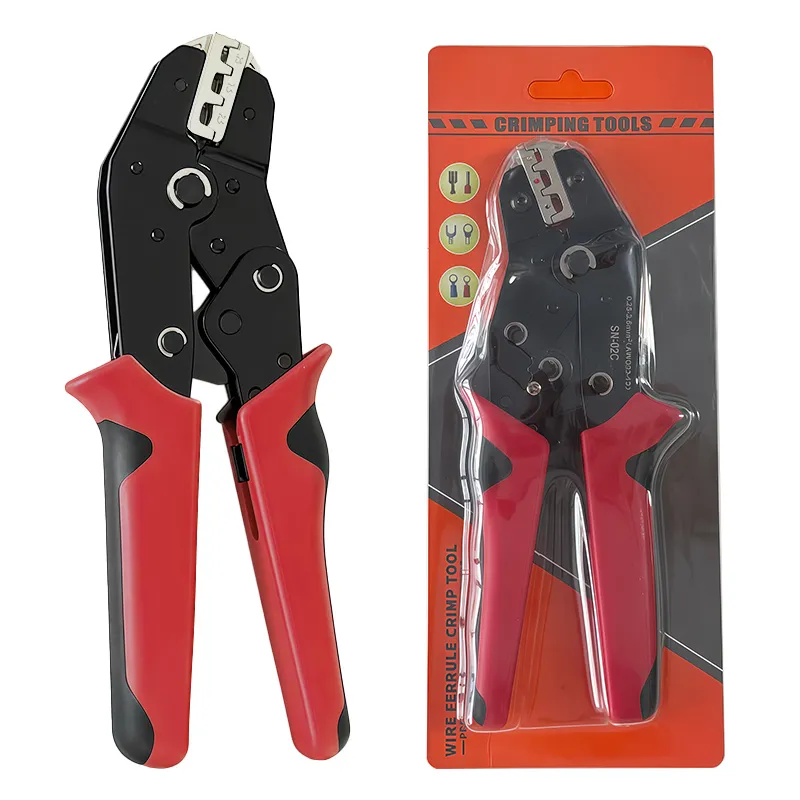
Key Features & Benefits The JiaPaiMi Dupont connector crimping tool offers precision and reliability for every DIYer and maker. Its precision ratcheting mechanism guarantees consistent, secure crimps every time, eliminating guesswork. Feature Benefit Precision ratcheting mechanism Ensures gas-tight, uniform crimps Ergonomic non-slip handles Comfortable grip, less hand fatigue with quick-release Multi-profile die sets Perfect for […]
Why Upgrade to a Ratcheting Mechanism? If you’re still using traditional crimping tools, switching to a ratchet wire crimper like the JiaPaiMi model brings real benefits. The key advantage lies in its full-cycle crimping tool design, which includes a controlled release system. This means the tool won’t let go until the complete crimp cycle is […]
We use cookies to enhance your browsing experience, serve personalised ads or content, and analyse our traffic. By clicking "Accept All", you consent to our use of cookies.