Dupont 2.54mm connectors trace their origins back to the Mini-PV style connectors developed decades ago for electronic and electrical wiring. Over time, these connectors became widely popular due to their simplicity and reliability, giving rise to many common clones that can be found in hobbyist and professional markets alike. Their standardized 2.54mm (0.1 inch) pitch makes them ideal for creating custom jumper wires and connections in tight electronic spaces.
Key Specifications
Pitch: 2.54mm (0.1 inch) between pins, a standard that fits perfectly on breadboards and perfboards.
Wire Gauges: Compatible with AWG 18 to 28, accommodating a broad range of wire thicknesses from thinner jumper cables to thicker power lines.
Terminals: Available in both male and female open-barrel terminals designed for crimping onto wires.
Housings: Plastic shells come in single and multi-pin configurations, allowing modular assembly of connector pairs.
Common Applications
Dupont 2.54mm connectors are the go-to choice in many DIY electronics and prototyping projects. Some typical uses include:
Arduino projects: Connecting sensors, modules, and boards without soldering.
Breadboards: Perfect for jumper wires due to their perfect fit and easy plug/unplug.
RC Servos and Drones: Reliable signal and power connections to motors and controllers.
3D Printers: Internal wiring for stepper motors, endstops, and hotends.
Custom Jumper Wires: Build your own flexible cables tailored to your project’s needs.
In short, Dupont 2.54mm connectors provide a simple, versatile, and widespread solution for countless electronic wiring tasks, making them indispensable for makers and engineers.
Why You Need a Dedicated Dupont Crimping Tool
Using a generic or low-quality crimper for 2.54mm Dupont connectors often leads to frustrating issues like loose connections, terminals pulling out easily, or even damaged pins. These problems can cause device malfunction or intermittent faults, especially in projects relying on reliable jumper wires, like Arduino or drone builds.
Why generic crimpers fall short:
Uneven pressure causes weak crimps
Open-barrel terminals get crushed or bent
Inconsistent crimps fail under mechanical stress
Damage to insulation wings or conductor wings
On the other hand, a dedicated ratcheting open-barrel crimper designed for Dupont connectors applies uniform pressure every time. This ensures terminals crimp tightly around the wire conductor and insulation, delivering a secure mechanical and electrical connection.
Benefits of ratcheting Dupont crimpers:
Consistent crimp quality: Ratchet mechanism prevents under or over-crimping
Open-barrel jaw design: Properly folds conductor and insulation wings
Better pull strength: Wire stays securely attached under stress
Cheap vs. Professional Dupont Crimping Tools
Feature
Low-Cost SN-28B Style
Professional (Engineer PA-09, Genuine DuPont)
Build Quality
Basic steel, lighter duty
Hardened steel, precision machined jaws
Ratchet Mechanism
Sometimes inconsistent
Smooth, reliable ratchet with release lever
Jaw Compatibility
Fits some terminals only
Designed exactly for 2.54mm open barrels and wire gauges
Crimp Accuracy
Variable, often requires retries
Uniform crimps first time, less wasted parts
User Comfort
Minimal ergonomic features
Ergonomic handles, comfortable grip for longer use
Price Range
Very affordable
Mid to high range, but worth the investment
For serious hobbyists, makers, or small workshops, investing in a professional crimper – like the popular SN-28B crimper alternatives and genuine tools – saves time and ensures project reliability. There’s nothing worse than redoing cables because the crimps failed under load.
Choose a tool built for precise 2.54mm wire crimping, and you’ll get consistent, durable connectors every time.
Key Features to Look for in a 2.54mm Dupont Crimper
Choosing the right 2.54mm Dupont crimper is crucial for reliable, consistent crimps. Here’s what to check for to get the best results every time:
Feature
Why It Matters
Ratcheting mechanism
Ensures uniform pressure on terminals for solid crimps. Prevents under or over-crimping.
Wire compatibility (AWG 28-18)
Handles common jumper wire sizes used in Arduino and electronics projects.
Jaw design for open-barrel terminals
Must support both insulation and conductor wings to securely crimp Dupont pins without damage.
Ergonomics & durability
Comfortable grip eases repetitive crimping; quality build gives long tool life.
Release lever
Handy for freeing stuck terminals without damage or tool strain.
Multi-connector compatibility
Works with related connectors like JST XH, Molex KK, and KF2510 for extra versatility.
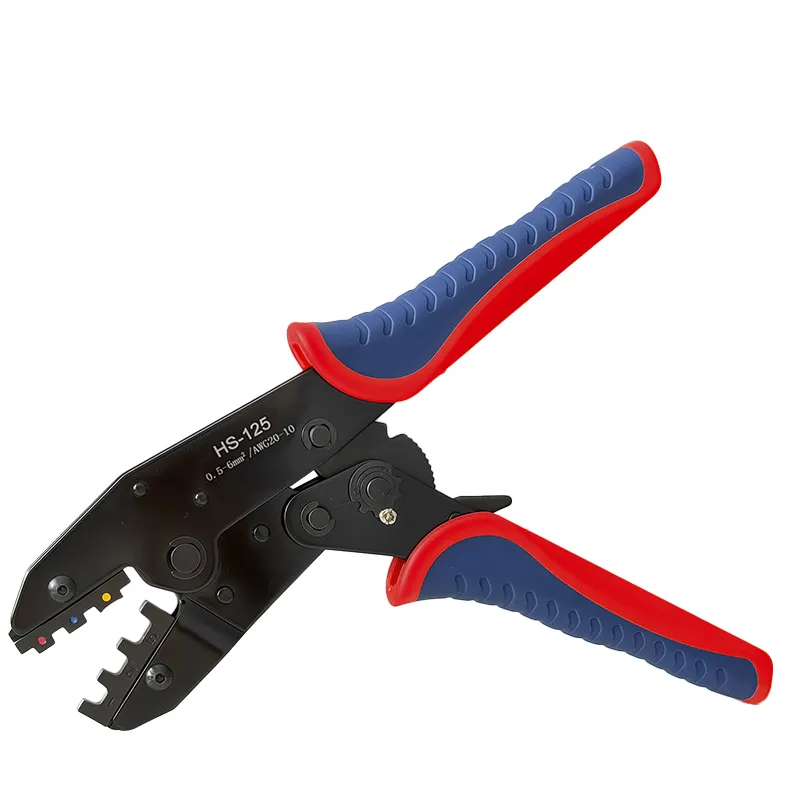
A ratcheting open-barrel crimper with precision jaws saves time and frustration, especially when you work on projects involving fine 2.54mm pitch pins. Also, tools compatible with other connector types let you handle different wiring jobs without swapping tools. For example, models like the HS-125 ratchet crimping tool are designed to handle multiple terminal styles smoothly.
Keep these features in mind, so you get a Dupont connector crimper that fits your wire range, terminal type, and offers comfort – boosting your DIY or professional wiring work.
Top Dupont Crimpers for 2.54mm Pitch – Reviews and Recommendations
When it comes to crimping 2.54mm Dupont connectors, having the right tool makes all the difference. Here’s a focused look at popular crimpers, with a spotlight on the JiaPaiMi Dupont Crimping Tool, plus options for every budget and use.
JiaPaiMi Dupont Crimping Tool: Why It Stands Out
Precision: Designed specifically for open-barrel Dupont terminals, it delivers consistent, tight crimps every time. Perfect for delicate projects like Arduino jumper cables and drone wiring.
Wire range: Handles AWG 28 to 18 easily, covering most Dupont wire gauges.
Ratcheting mechanism: Ensures even pressure and reduces hand fatigue.
Durability: Sturdy build with ergonomic grips for comfortable use.
User feedback: Many users praise its reliability and professional-quality crimps without the high price tag.
Tool Comparison Table
Model
Wire Gauge
Ratcheting
Compatible Connectors
Price Range
Best For
JiaPaiMi
AWG 28-18
Yes
Dupont 2.54mm, JST XH, Molex KK
Mid-range
Precise, reliable crimps
SN-28B
AWG 28-22
No
Dupont 2.54mm only
Budget
Basic DIY projects
SN-2549
AWG 28-20
Partial
Dupont, some JST models
Budget
Hobbyist use
IWISS
AWG 28-18
Yes
Dupont, JST XH, Molex KK
Mid to High
Multi-purpose crimping
Preciva
AWG 28-20
Yes
Dupont 2.54mm
Mid-range
Beginners & pros
Engineer PA-09
AWG 28-18
Yes
Dupont, JST, Molex
Premium
Professional use
Budget, Mid-Range, & Premium Picks
Budget: SN-28B and SN-2549 are great for beginners or small jobs but lack ratcheting and fine control.
Mid-Range: JiaPaiMi, IWISS, and Preciva tools offer reliable ratcheting action with good ergonomics and versatile connector support.
Premium: Engineer PA-09 comes at a higher price but provides top-notch build quality and precise crimps for professionals.
Kits for Beginners
For anyone starting, consider kits that include both the crimping tool and a set of female and male Dupont terminals. These kits simplify learning and let you try out different connectors easily. Many JiaPaiMi kits come bundled like this, offering excellent value.
If you want a detailed breakdown of Dupont crimp tools and how they differ from related types, check out our guide comparing Dupont and JST crimp tools.
Choosing the right 2.54mm jumper wire crimper is key for clean, secure connections in electronics projects. The JiaPaiMi Dupont crimping tool is a standout choice for most users needing precision without breaking the bank.
Step-by-Step Guide: How to Crimp Dupont 2.54mm Terminals Perfectly
Crimping Dupont 2.54mm terminals may seem tricky at first, but with the right tools and technique, you can get reliable, professional results every time. Here’s a simple guide to help you master it, especially using the JiaPaiMi Dupont crimping tool.
Tools and Materials Needed
JiaPaiMi ratcheting crimper (recommended for consistent pressure)
Dupont 2.54mm male and female terminals
2.54mm Dupont housings
Wire stripper (suitable for AWG 18-28)
Wire to be crimped (check gauge compatibility)
Optional: magnifier or macro lens for detailed inspection
Using a quality wire crimping tool ensures you avoid loose crimps and damaged terminals. If you want a reliable workflow, check out this detailed step-by-step guide with JiaPaiMi tools.
Preparing Wires
Strip about 3-4mm of insulation from the wire end. Too much stripped wire can cause shorts; too little won’t grip properly.
Make sure the wire gauge matches your crimper’s supported range (typically AWG 18-28 for 2.54mm terminals).
Twist stranded wires lightly to avoid loose strands.
Crimping Male and Female Terminals
Insert the stripped wire into the open barrel terminal. The conductor wings should hold the wire strands, and the insulation wings must clamp the wire’s insulation securely.
Position the terminal in the correct jaw of the JiaPaiMi crimper—these crimpers have separate cavities for conductor and insulation wings.
Squeeze the handle firmly until the ratchet mechanism releases, ensuring a uniform crimp.
Common mistakes to avoid: crimping too far from the wings, incorrect jaw size, or not fully closing the crimper’s handles.
Inserting Into Housings and Testing Pull Strength
Slide the crimped terminal into the Dupont housing until it clicks in place.
Gently pull on the wire to test the crimp’s hold – it shouldn’t slip or come out.
If it’s loose, check if the wire was stripped correctly and if the crimp is tight enough.
Tips for Flawless Crimps Every Time
Use a magnifying tool to closely inspect crimps for proper deformation.
Avoid over-crimping which can cut wires or damage the terminal.
Keep your JiaPaiMi crimper clean and free of debris — proper maintenance ensures smooth operation.
For troubleshooting bad crimps, check the wire stripping length, terminal placement, and crimper jaw selection.
By following these steps with a dedicated open barrel crimper like the JiaPaiMi, you’ll get precise, secure crimps perfect for Arduino jumper cables, breadboards, RC servos, and more. For more on using ratcheting crimpers, check the high-carbon steel ratchet crimping tool options that fit similar terminals.
Common Mistakes and How to Avoid Them
When crimping Dupont 2.54mm terminals, it’s easy to slip up if you’re not careful. Here are some common mistakes and how to steer clear of them:
Over-crimping or under-crimping: Applying too much pressure can deform the terminal, making the connection brittle or causing the wire to break. Under-crimping leads to loose connections that easily pull apart. Using a quality ratcheting crimper designed for 2.54mm Dupont pins helps apply the right, consistent pressure every time.
Wrong jaw position: Open-barrel crimpers have specific jaw areas for insulation and conductor wings. Placing the terminal incorrectly can damage the insulation or cause a weak crimp on the conductor. Always check your crimper’s jaw guides and position the terminal carefully before squeezing.
Damaged insulation or wire strands: Stripping the wire too long or rough handling during crimping can nick strands or mess up insulation, risking shorts or weak mechanical strength. Strip just enough wire (usually around 3-4mm), and keep the terminal jaws aligned to avoid scraping insulation.
For beginners, a good way to avoid issues is to buy pre-made jumper wires—these are professionally crimped and tested. But if you want to DIY, investing in a dedicated 2.54mm Dupont crimping tool like the JiaPaiMi or SN-28B will save time and headaches.
Getting the basics right from the start not only ensures solid, reliable connections but also helps you avoid frustration and wasted parts in your Arduino, RC, or electronics projects. For a deeper dive into crimping tools and proper techniques, check out this detailed guide on how to choose and use crimping pliers.
Frequently Asked Questions (FAQ)
Best crimper for beginners?
For those just starting with Dupont connectors, a user-friendly ratcheting crimper like the JiaPaiMi Dupont crimping tool is ideal. It combines ease of use with precise crimps on 2.54mm jumper wires, helping avoid common mistakes that cheap generic tools often cause.
Can one tool handle JST and Molex too?
Many quality 2.54mm Dupont crimping tools, especially professional models, support related connector types like JST XH and Molex KK or KF2510 series. Look for crimpers with compatible jaw designs — this versatility saves space and cost if you work with multiple electronic connectors.
How to maintain your crimper?
Keep your crimper clean and lightly lubricated on the pivot points for smooth operation. Store in a dry place to avoid rust. Regularly check the jaw alignment to ensure consistent crimps. If your tool has a release lever or ratcheting mechanism, make sure it moves freely without sticking.
Where to buy genuine Dupont terminals?
Authentic Dupont terminals and housings are best bought from trusted electronics suppliers or specialized stores online. Avoid cheap clones that might not fit well or crimp reliably. Starter and DIY kits that bundle terminals with a Dupont crimping tool offer great value and assure quality parts for your projects.
Table of Contents Introduction to Heat Shrink Insulated Terminals Crimping In demanding environments such as marine, automotive, and outdoor industrial installations, heat shrink insulated terminals crimping provides a higher level of protection than ordinary cold-press joints. When you combine a proper heat shrink insulated terminals crimping tool with quality connectors like the HS-40 ratchet crimper […]
Professional Wire Termination Made Effortless When it comes to secure and reliable wire termination, the JiaPaiMi crimping tool for ferrules stands out as a trusted choice for electricians. Designed to handle both insulated and uninsulated ferrules with ease, this tool ensures that every connection is tight and compliant with DIN 46228 standards. Why make the […]
We use cookies to enhance your browsing experience, serve personalised ads or content, and analyse our traffic. By clicking "Accept All", you consent to our use of cookies.