Blog
Best Dupont Crimper 2.54mm Tool for Precise Open Barrel Crimps
Discover the best Dupont crimper 2.54mm for precise DIY electronics with ratcheting mechanism and versatile AWG 18-28 wire compatibility.
Read More
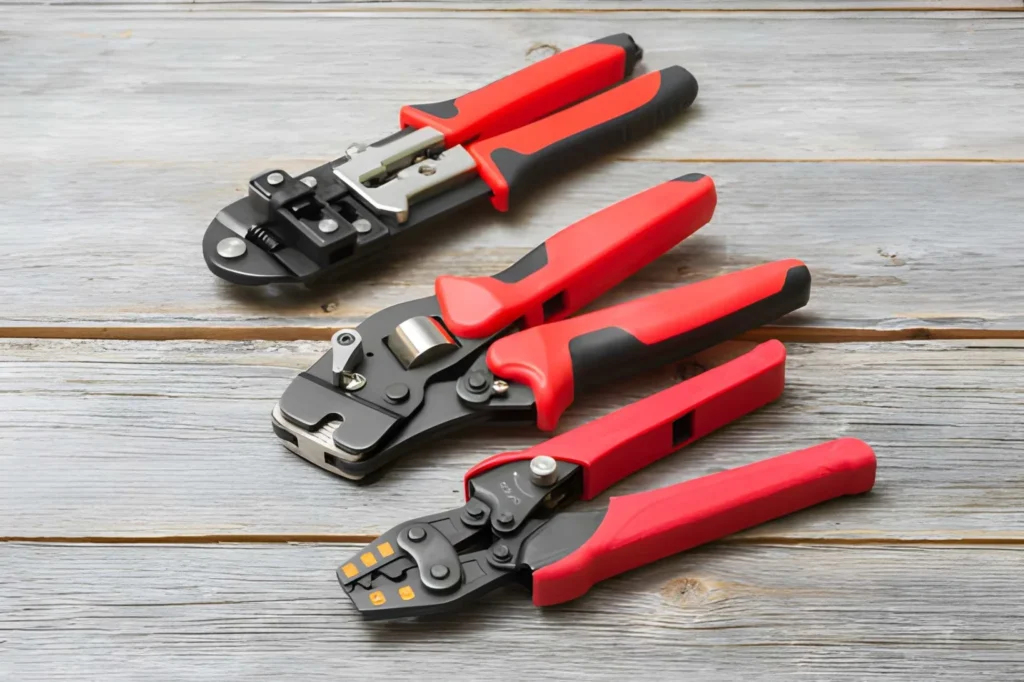
If you work with electrical wires, cables, or connectors, a pliers crimping tool quickly becomes your best friend. It looks simple. It feels familiar in your hand. But when used correctly, it can turn loose, unreliable connections into strong, safe, and professional results.
In this guide, you will learn what a pliers crimping tool is, how it works, what types exist, and how to choose the right one for your jobs. Along the way, you will also see how a good crimping plier can save time, reduce rework, and improve safety—whether you are a DIY user, an electrician, or a buyer sourcing tools for a workshop or factory.
By the end, you should feel confident about picking and using a pliers crimping tool that truly fits your needs. And if you are sourcing in bulk for your business, you will know what to look for and what to ask suppliers before placing an order.
A pliers crimping tool is a hand tool that joins a connector to a wire by squeezing, or “crimping,” them together. Instead of using solder or welding, the tool presses the metal of the terminal around the wire strands. This forms a tight, permanent connection.
You open the handles, insert the terminal and the stripped wire into the jaws, and then squeeze. The jaws have specific crimp profiles that match different terminals. When you release the handles, the connector and wire are now mechanically and electrically bonded.
This sounds simple, but it matters a lot. A good crimp means:
A poor crimp, on the other hand, can cause intermittent faults, overheating, or even fire. That is why the quality and design of your pliers crimping tool is so important.
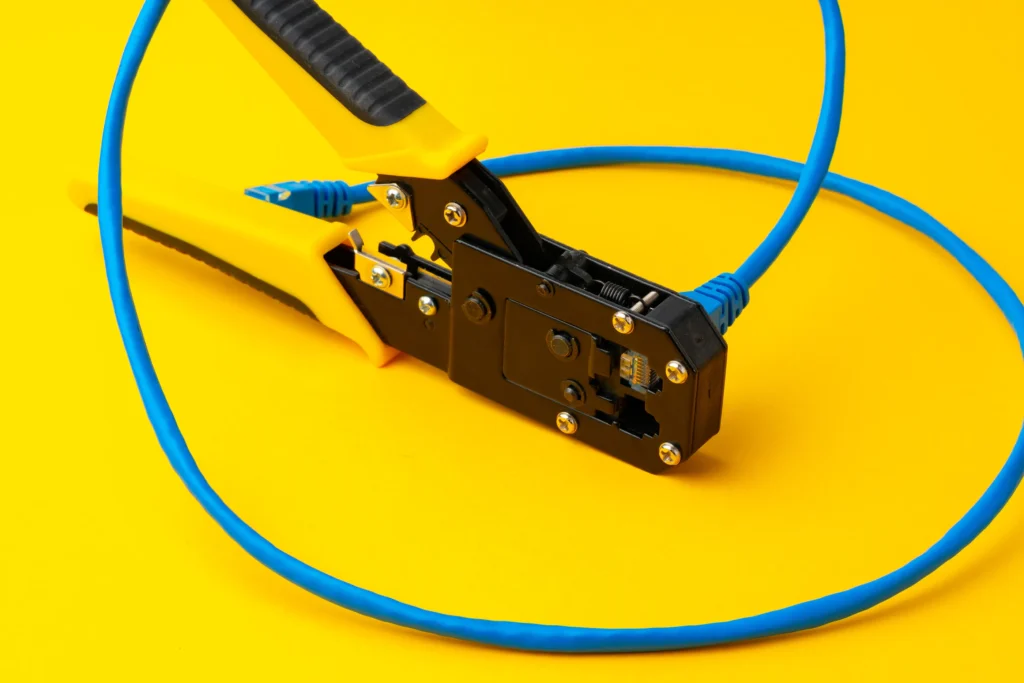
There is no “one-size-fits-all” crimping tool. Different cables and terminals need different tools. When you search for a pliers crimping tool, you will see several popular types.
These are used for standard insulated terminals, such as red, blue, and yellow crimp connectors. They are common in automotive wiring, home electrical work, and general maintenance.
A ferrule crimping plier is made for crimping wire end ferrules. These small metal sleeves go over the end of a stranded wire to protect and consolidate the strands.
Ferrule crimping pliers often have:
They are especially popular in industrial control cabinets, switchboards, and machine wiring.
A ratcheting pliers crimping tool locks partially during the squeeze and only releases when the crimp is fully completed. This gives you:
If you do a lot of professional crimping, a ratchet crimping tool is usually worth the investment.
For large cables and lugs, you need a more powerful pliers crimping tool. These heavy-duty models often include:
They are common in battery cable installation, solar systems, industrial power cabinets, and grounding systems.
Let’s take a closer look at the working principle of a pliers crimping tool, because understanding this helps you get better results.
Inside the jaws, there are shaped profiles or “dies.” When you squeeze the handles, these dies close around the terminal and the wire. The metal of the connector deforms and presses tightly around the strands of the wire.
This process:
With a ratcheting pliers crimping tool, the internal mechanism ensures the jaws close with consistent force. Some models also offer adjustable pressure, so you can fine-tune the crimp for different terminal types or cable sizes.
If you are dealing with high-current or high-vibration environments, this consistent crimping force is a big advantage. It helps ensure every connection meets a reliable standard, not just “good enough.”
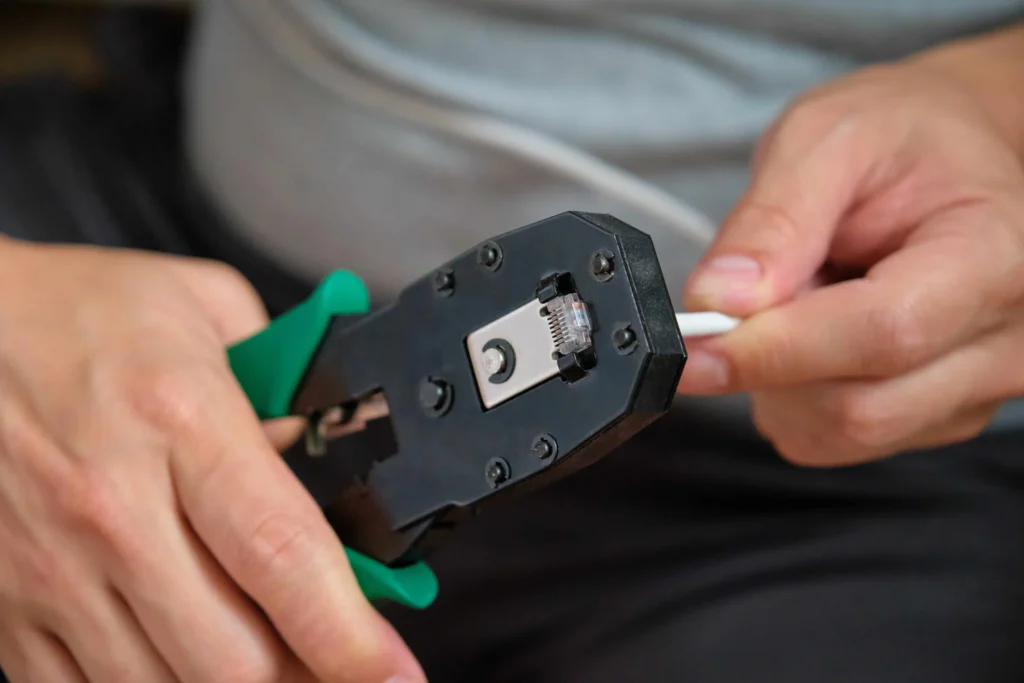
If you are considering a new pliers crimping tool, what should you check? Here are the main features that matter in day-to-day use.
A good handle design makes longer jobs much easier. Look for:
Comfort might sound like a small detail, but over a full day of work, it matters a lot for your hands and wrists.
Your pliers crimping tool should match the terminals and cables you use most often. Check:
If you need flexibility, a tool with interchangeable dies can be a good choice, especially in a workshop or production line environment.
The tool body should be made from strong materials such as high-carbon steel or alloy steel. This ensures:
When sourcing in bulk, always ask about material specifications and hardness treatment. It can make a big difference in actual lifetime and maintenance costs.
On a ratcheting pliers crimping tool, check for:
These small details improve both safety and productivity, especially when multiple operators share the same tools.
A pliers crimping tool is used in many industries and projects. You might be surprised how often crimped connections appear in daily life.
Common application areas include:
If your business involves any of these fields, having the right pliers crimping tool on hand is almost a must.
Even the best pliers crimping tool can give bad results if used incorrectly. Follow these simple steps for a secure crimp every time.
With practice, this whole process becomes quick and natural—but it is still worth training new operators and checking quality regularly.
A pliers crimping tool is simple, but safety still matters. Here are a few basic tips to keep in mind:
Safe use not only protects people, but also improves the quality and consistency of the crimps.
Like any hand tool, a pliers crimping tool wears over time. But when do you know it is time to replace it?
Common signs include:
If you use crimping pliers in a professional environment, it is wise to set simple inspection and replacement rules. This helps avoid failures in the field and reduces rework costs.
If you are a buyer, distributor, or workshop manager, choosing the right supplier for your pliers crimping tool is just as important as choosing the right model.
When comparing suppliers, consider:
Before placing a bulk order, it is wise to request samples and test them with your own wires and terminals. This real-world test is often the best way to judge a pliers crimping tool.
If you are looking for a reliable manufacturer or want to compare prices and models, feel free to reach out with your specific requirements. It is easy to get tailored recommendations and a quotation based on your cable sizes, terminals, and application field.
A high-quality pliers crimping tool might look like a small detail in your toolbox, but it has a big impact on the safety, performance, and durability of your electrical connections. By understanding the different types, key features, and correct usage, you can avoid weak crimps, reduce failures, and work with more confidence every day.
If you are ready to upgrade your current crimpers or source reliable pliers crimping tools in bulk, now is a great time to review your needs—wire sizes, terminals, application fields—and match them with the right tools. Feel free to send your specifications and quantity requirements to get expert suggestions, sample options, and a competitive quotation tailored to your projects.
A standard plier is made for gripping, bending, or cutting. A pliers crimping tool has specially shaped jaws designed to compress terminals around wires. It creates a stable electrical connection, not just a mechanical grip.
No. Most tools are designed for specific terminals or size ranges. Some pliers crimping tools support insulated terminals, others are ferrule crimping pliers, and some handle heavy lugs. Always check compatibility before use.
For professional and repetitive work, yes in most cases. Ratcheting tools offer consistent pressure and reduce hand fatigue. For occasional DIY use, a simple non-ratcheting pliers crimping tool may be enough.
Usually not. Small signal wires and large power cables need very different crimp profiles and forces. Many users keep at least two pliers crimping tools: one for small and medium terminals, and one heavy-duty crimping plier for big lugs.
Keep it clean and dry, wipe off dirt or metal shavings, and apply a light oil on the joints if they feel stiff. Do not drop the tool or use excessive force beyond its rating. Regular inspection of the jaws and handles extends the life of your crimping pliers.
Yes, many manufacturers can customize handle colors, logos, packaging, and even die configurations. If you are a distributor or tool brand, you can request a private-label pliers crimping tool that matches your market.
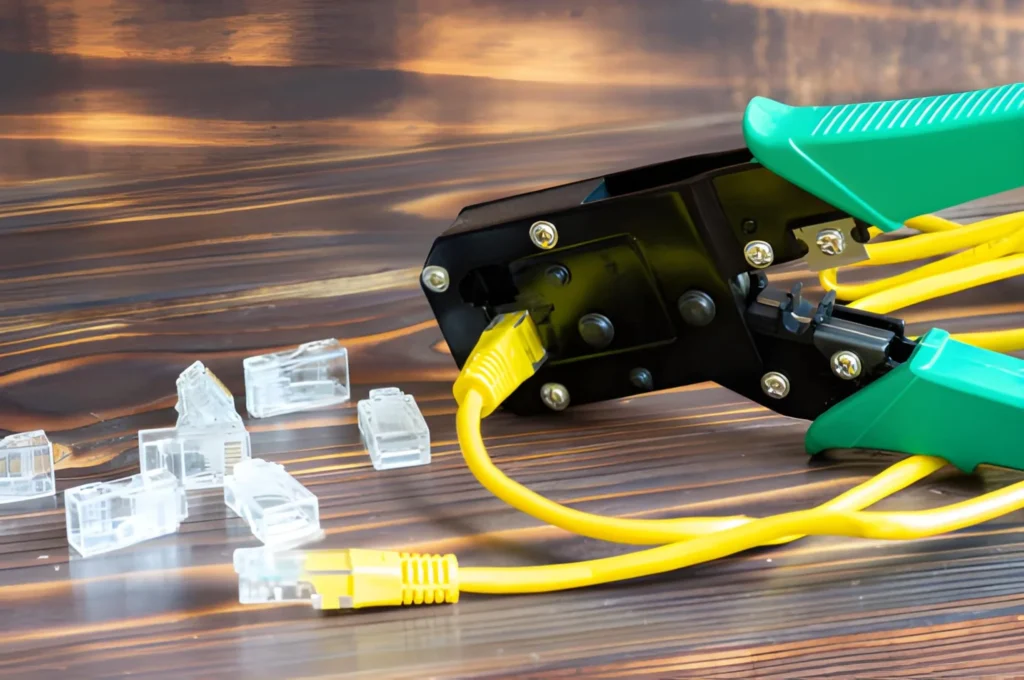
Discover the best Dupont crimper 2.54mm for precise DIY electronics with ratcheting mechanism and versatile AWG 18-28 wire compatibility.
Read More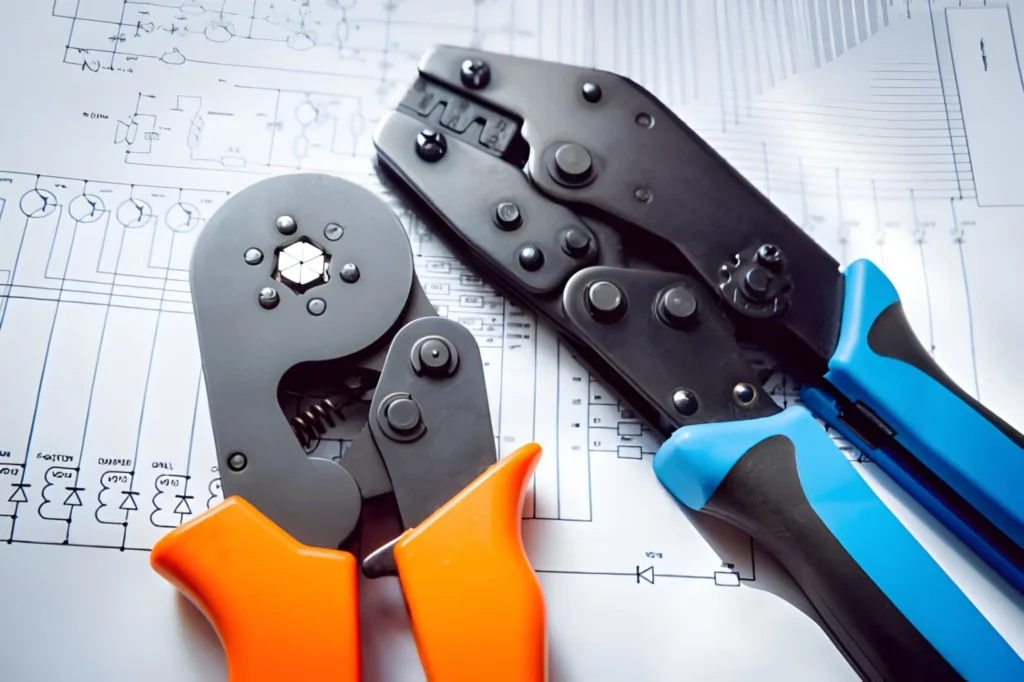
Walk into any control cabinet, and you will see hundreds—sometimes thousands—of ferrules. Yet many shops still treat ferrule crimping tools as an afterthought. That usually shows up later as loose connections, nuisance downtime, or failed inspections. This post walks through what ferrule crimping tools are, how they actually work, and how you can choose the […]
Read More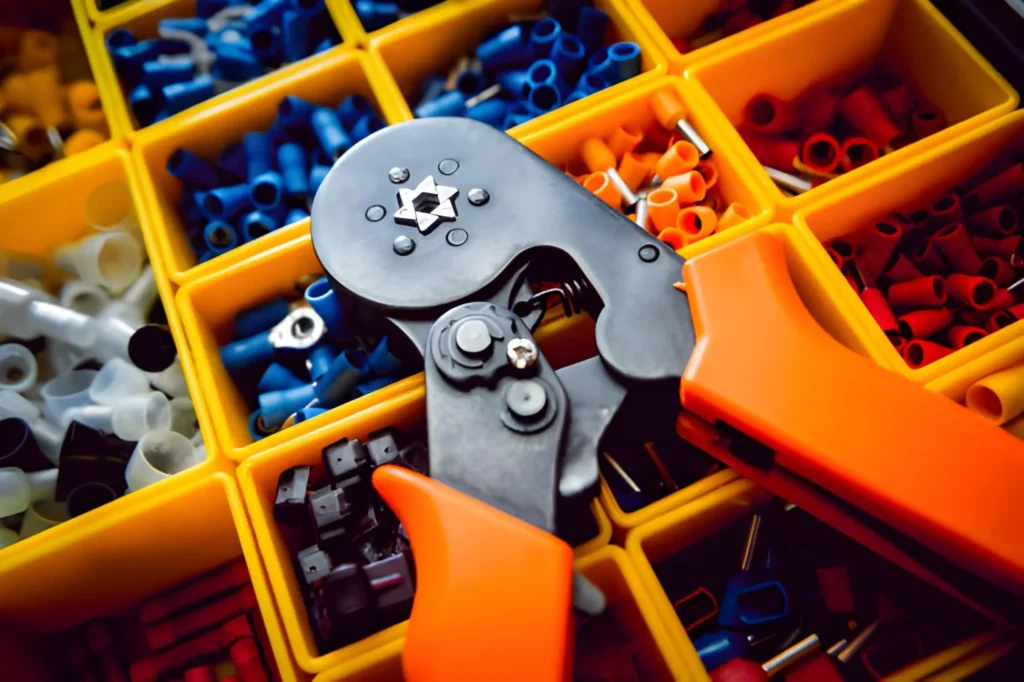
Key Features of Ratcheting Crimping Tool at a Glance Discover the essential features that make the JiaPaiMi ratcheting crimping tool a staple for professionals and DIYers alike. Designed for precision and durability, this electrical crimping tool excels in consistent, secure connections every time. Feature Description Benefit Precision Ratcheting Mechanism Ensures full-cycle crimping with reliable locking […]
Read More