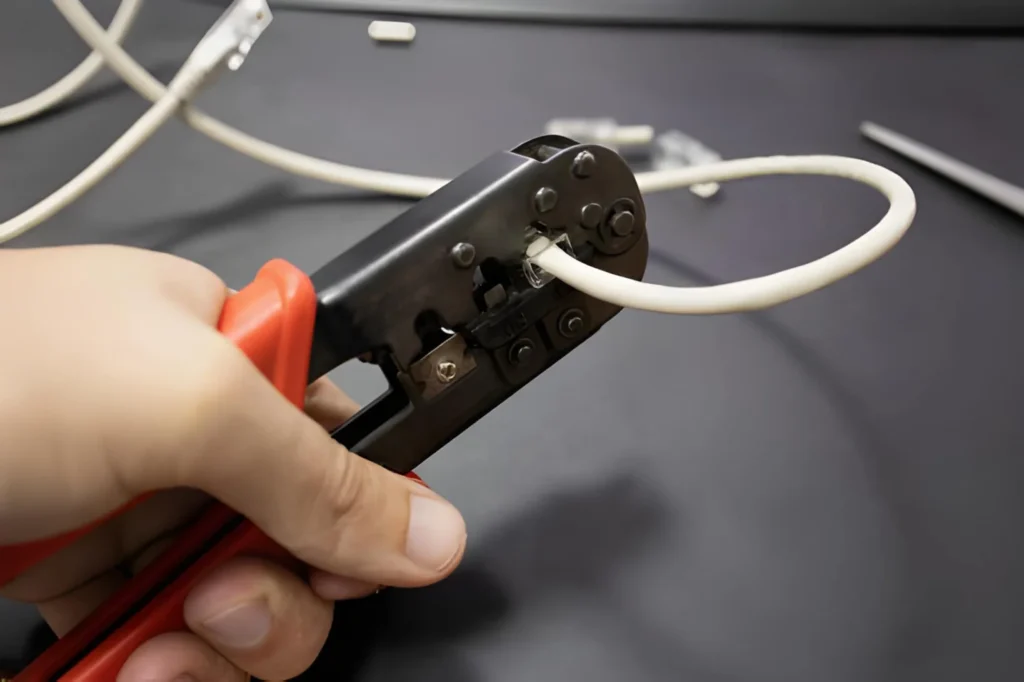
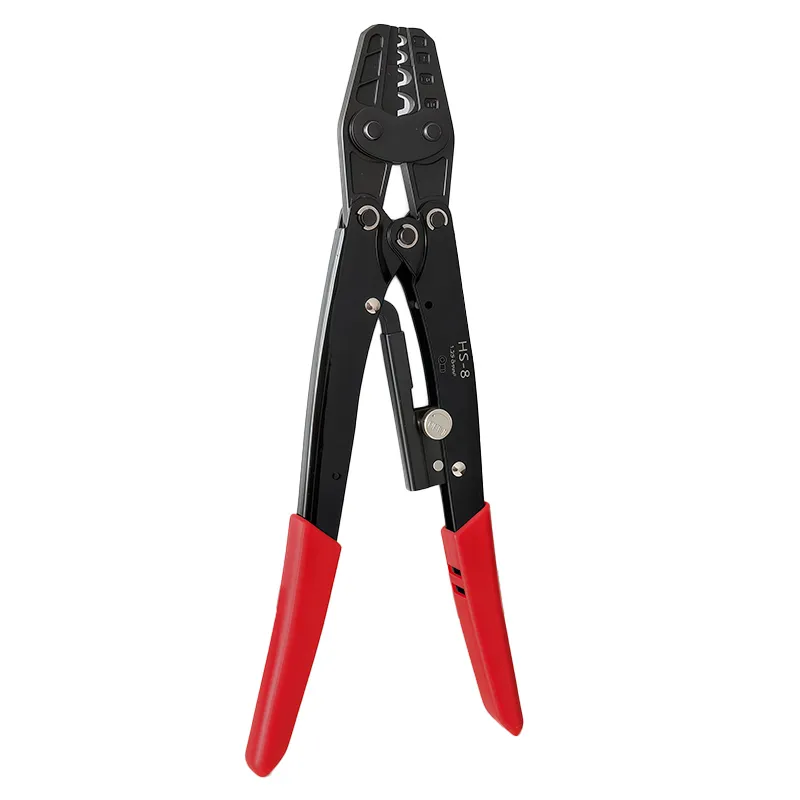
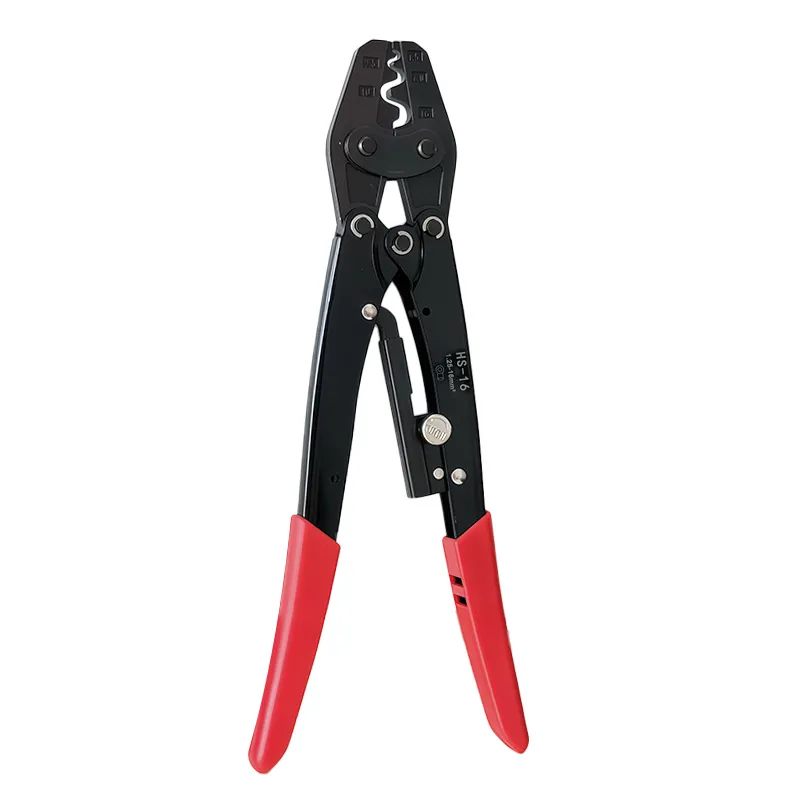
Wire crimpers are specialized tools designed to join electrical wire connectors to the ends of wires by compressing or “crimping” them together. This process creates a secure, gas-tight seal that ensures reliable conductivity without the need for soldering or heat. Unlike soldering, crimping doesn’t require any flame or high temperature, making it faster, safer, and ideal for many wiring projects.
Using wire crimping tools has several advantages: it provides a strong mechanical and electrical connection, reduces the risk of corrosion, and ensures consistent results when done correctly. Because the connection is sealed tightly, it minimizes electrical resistance and maintains a long-lasting bond.
Common applications for wire crimpers include automotive wiring repairs, home electrical installations, marine wiring where resistance to corrosion is essential, and delicate electronics projects. Whether connecting insulated terminals or ferrules, crimping is a trusted method for professionals and DIY enthusiasts seeking durable and efficient electrical wire connectors.
Types of Wire Crimpers
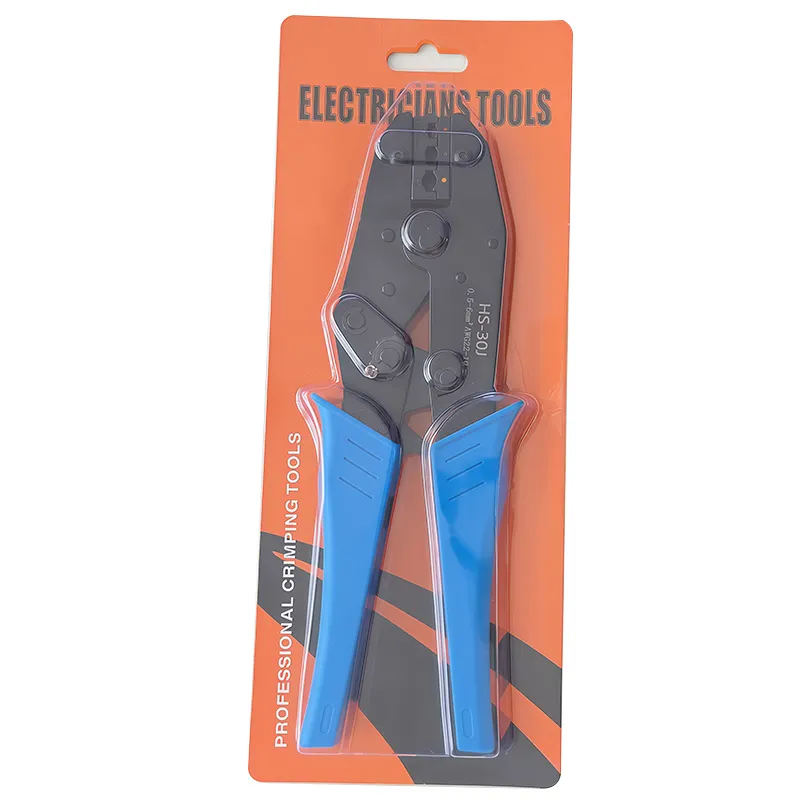
Wire crimping tools come in different types to suit various jobs and wire sizes. The basic manual or handheld crimpers are simple, lightweight tools ideal for occasional DIY wiring or small projects. They rely on your hand strength and are best for low-volume work.
For more consistent and reliable crimps, especially in professional settings, ratcheting crimpers are highly recommended. These tools apply uniform pressure and lock in place until the crimp cycle is complete, reducing mistakes and improving connection quality. Ratcheting crimpers work great for most insulated and non-insulated terminals.
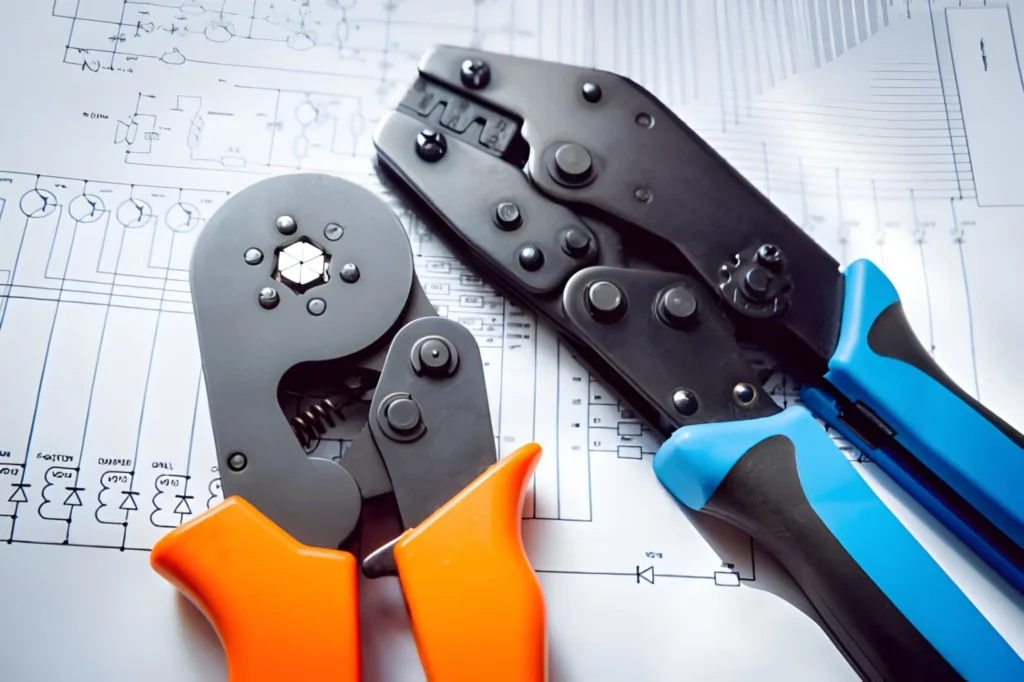
There are also crimpers designed specifically for different connector types. For example, ferrule crimpers focus on crimping ferrule wire end sleeves to prevent strand fraying, while terminal crimpers target spade, ring, or butt splice connectors. Using the right crimper for your connector type is key for a secure, professional-quality crimp.
If you’re working with heavy-gauge wires or high-volume industrial tasks, specialized tools like hydraulic crimpers or battery-powered crimping tools can make a big difference. They offer more power and efficiency for thick cables or extended use without hand fatigue.
When to choose each:
Use manual crimpers for quick, simple home projects or tinkering.
Pick ratcheting crimpers for consistent, reliable crimps on a variety of connectors, perfect for automotive or electronics work.
Select ferrule crimpers when dealing with fine stranded wire that needs neat ferrule application.
Go for hydraulic or powered crimpers when handling large cables or professional installations requiring high force and speed.
For a versatile and reliable option, consider JiaPaiMi ratchet crimping tools that handle insulated terminals and heat-shrink connectors with ease.
Essential Tools and Materials You’ll Need
To get professional-quality crimps, you need the right tools and materials. A reliable wire crimping tool is a must-have. JiaPaiMi crimpers are highly recommended because they offer excellent quality and versatility for different wiring jobs, from small electronics to automotive projects. Whether you need a ratcheting crimper for uniform pressure or a multi-function model, JiaPaiMi has options that suit various needs.
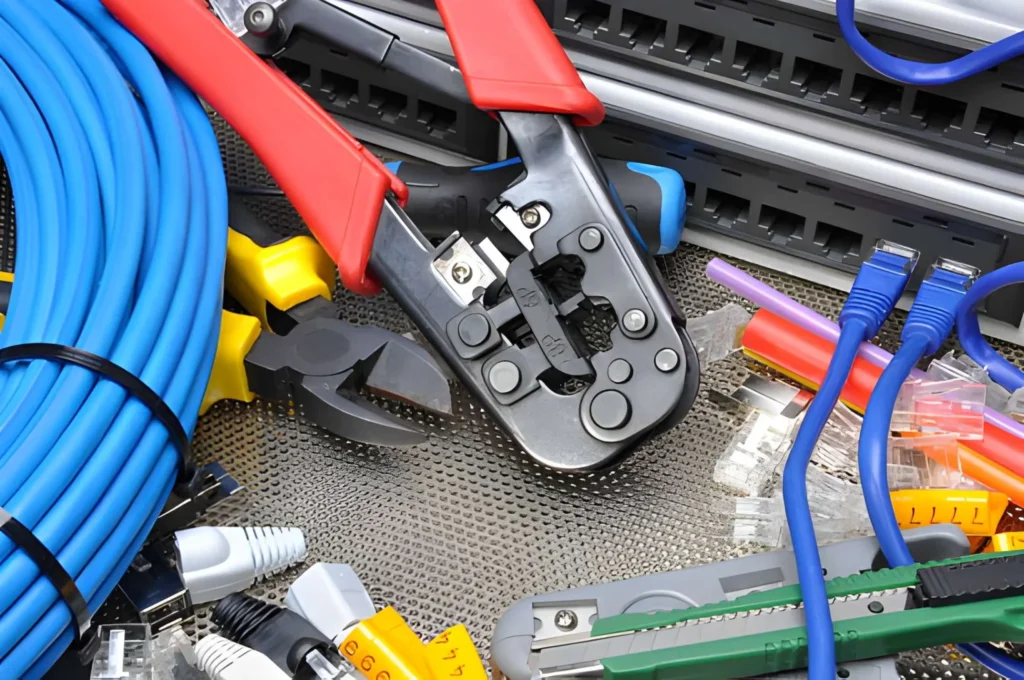
Besides crimpers, good wire strippers and cutters are essential. Accurate wire stripping ensures you expose just the right wire length, avoiding shorts or weak connections. Wire gauges help you measure the wire size precisely; knowing your AWG wire gauge before starting is key.
When it comes to connectors or terminals, you have a few choices:
Insulated terminals protect wires and provide better safety.
Non-insulated terminals are used in clean, protected environments.
Heat-shrink connectors offer waterproof sealing, helping in outdoor or marine applications.
Common types include butt splices for joining wires, and ring, spade, or fork terminals for secure connections.
Understanding wire types is equally important. Stranded wire is flexible and moves better with vibration, perfect for automotive or marine setups. Solid wire is stiff, ideal for fixed, stable electrical installations.
For versatile crimping and stripping needs, you might want to explore JiaPaiMi’s range, including their ratchet crimping tool with heat-shrink capability, which combines accuracy and ease for insulated terminals.
Having the right tools and knowing your wire and connector types set you up for success in any DIY wire crimping or professional electrical work.
Step-by-Step Guide: How to Use Wire Crimpers
Using wire crimpers correctly is key to getting a secure, professional-quality connection. Here’s a simple step-by-step guide to help you through the process:
Step 1: Select the Right Crimper and Connector
Choose a wire crimping tool that matches your wire gauge and connector type. For example, ratcheting crimpers offer consistent pressure and work well with insulated terminals. Make sure your connector fits the wire size—this prevents loose or weak crimps.
Step 2: Measure and Strip the Wire
Measure the correct length of wire insulation to strip off, usually about 1/4 inch or as specified for your connector. Use a wire stripper to remove insulation carefully without cutting wire strands. Proper wire stripping avoids exposed strands which can cause shorts.
Step 3: Insert the Wire into the Connector
Fully insert the stripped wire into the crimp connector. Ensure there are no stray strands outside the barrel, as these can cause poor electrical contact or damage.
Step 4: Position the Connector in the Correct Die or Jaw
Place the connector into the crimper’s die or jaw that matches its size and type. Most crimpers have color-coded or gauge-marked jaws for easy selection, especially for insulated vs. non-insulated terminals.
Step 5: Crimp Firmly
Squeeze the crimper handles firmly and, if using a ratcheting crimper, complete the full cycle to make a gas-tight, secure crimp. Avoid partial crimps as they can come loose over time.
Step 6: Inspect the Crimp
Check the crimp visually for uniform compression and no damage to the connector or wire. Perform a gentle pull test by tugging the wire to ensure it doesn’t come free.
Step 7: Add Heat-Shrink Tubing (If Applicable)
If using heat-shrink terminals or connectors, slide heat-shrink tubing over the crimped area and apply heat evenly to seal and waterproof the connection.
Following these steps carefully helps avoid common crimping mistakes and ensures your electrical wire connectors are safe, durable, and neat.
Common Mistakes to Avoid
When using a wire crimping tool, steering clear of these common mistakes can save you time and ensure a solid connection:
Using the wrong die or connector size: Always match the crimper’s die to your wire gauge and connector type. Using a die that’s too big or small leads to weak crimps or damaged connectors.
Over- or under-stripping the wire: Stripping too much wire exposes unnecessary strands that can short, while stripping too little won’t allow full insertion. Measuring carefully with a wire stripper is key.
Incomplete crimps or misalignment: The connector must sit properly in the crimper jaw before you squeeze. Partial or crooked crimps weaken the connection and may cause failures.
Crimping insulated and non-insulated terminals interchangeably: Each type needs its own crimper die setting. Using the wrong one can crush insulation or leave the terminal loose.
Skipping the pull test: After crimping, give the wire a firm tug to confirm a gas-tight connection. Skipping this step risks unnoticed bad crimps that cause intermittent faults.
Avoiding these pitfalls improves your DIY wire crimping results and helps ensure professional-quality crimps that last. For reliable connector options designed to match various crimps, check out quality insulated terminal crimpers like those available in the JiaPaiMi ratchet crimping tool range.
Tips for Professional-Quality Crimps
Achieving clean, reliable crimps takes practice and the right tools. Here are key tips to get professional results every time:
Practice on Scrap Wire First
Before working on your actual project, test your technique on scrap wire. This helps you get a feel for stripping length, insertion, and crimp pressure.
Choose Ratcheting Tools for Uniform Pressure
Ratcheting crimpers apply consistent force, ensuring every crimp is tight and secure without over-crimping. They reduce mistakes and improve reliability. For more details, check out our guide on ratchet crimp tool benefits.
Use High-Quality Connectors Like JiaPaiMi Heat-Shrink Terminals
Premium connectors ensure good electrical contact and durability. JiaPaiMi’s heat-shrink terminals add waterproofing and extra protection, which is perfect for automotive, marine, or outdoor wiring.
Safety First: Wear Eye Protection and Work on De-Energized Circuits
Always prioritize safety. Crimping can send wire strands flying or cause sparks if cables are live. Use eye protection and double-check power is off before starting.
Pro Tip
Why It Matters
Practice on scrap wire
Builds confidence, avoids waste
Use ratchet crimpers
Guarantees uniform compression
Choose JiaPaiMi connectors
Better seal and corrosion resistance
Wear safety gear
Prevent injuries and accidents
Following these simple tips helps you achieve strong, lasting crimps every time—boosting your DIY wiring or professional electrical work.
Troubleshooting Bad Crimps
A bad crimp can cause loose connections, overheating, or even corrosion, leading to electrical failures. Watch out for signs like wires pulling away easily, connectors that feel loose, or discoloration around the crimped area. These indicate the crimp isn’t secure or gas-tight, which compromises safety and performance.
To fix a poor crimp, start by cutting off the faulty connection, then strip the wire again—making sure not to damage the strands—and insert it fully into the correct crimp connector. Use the proper die on your wire crimping tool, preferably a ratcheting crimper for consistent pressure, and complete the full crimp cycle. Always perform a pull test to confirm a strong bond. If the connector or wire shows corrosion or damage, replace the parts instead of trying to repair them, as that ensures long-term reliability.
For more tips on avoiding crimping mistakes and ensuring strong electrical wire connectors, check out our detailed crimper tool guide.
Recommended JiaPaiMi Wire Crimpers
JiaPaiMi offers a range of high-quality wire crimping tools built for precision and durability. Whether you’re a DIYer or a professional, their crimpers deliver reliable, consistent crimps for various wire gauges and connector types.
Top JiaPaiMi Crimpers and Their Features
Model
Type
Wire Gauge Range (AWG)
Key Features
Ideal Use Case
JiaPaiMi SN-48B
Ratcheting Crimper
20-10 (0.5-2.5 mm²)
Ratchet mechanism for consistent pressure, color-coded dies
Perfect for insulated terminals, spade/tab crimps, and general electrical wiring. Find it here.
HS-325A Ratchet Cable Cutter
Ratchet Cable Cutter
Heavy Duty (up to 240 mm²)
Sharp, heavy-duty cutting with ratchet for thicker cables
Best suited for copper/aluminum cable prep, ensuring clean cuts before crimping. More details here.
HS-520A Ratchet Cable Cutter
Heavy-Duty Ratchet Cutter
Ultra Heavy Duty (up to 340 mm²)
Larger cutter for very thick cables, ergonomic handles
Ideal for battery cables and industrial wiring. See specs here.
Why Choose JiaPaiMi Crimpers?
Consistent Results: Ratcheting action ensures full crimps every time.
Versatility: Works well with insulated and non-insulated terminals.
Durability: Built with high-grade steel for long-lasting use.
Easy to Use: Color-coded dies and ergonomic handles reduce hand fatigue.
For professional-quality crimps that last, JiaPaiMi combines precision and user-friendly design. Their range suits everything from automotive wiring to home electrical projects, making them a top pick for anyone looking to upgrade their toolkit.
Walk into any control cabinet, and you will see hundreds—sometimes thousands—of ferrules. Yet many shops still treat ferrule crimping tools as an afterthought. That usually shows up later as loose connections, nuisance downtime, or failed inspections. This post walks through what ferrule crimping tools are, how they actually work, and how you can choose the […]
Industrial electricians frequently encounter a frustrating problem: PLC control cabinets continue showing leakage currents even after careful installation. The culprit often isn’t the PLC modules themselves but inadequate ferrule terminal connections. When wire ends lack proper ferrule termination, loose strands create micro-arcing, oxidation, and gradual connection degradation that manifests as leakage current. Understanding PLC cabinet […]
Create Custom, Reliable Jumper Wires for Your Electronics Projects When building electronics projects, custom jumper wires are essential for clean, reliable connections. Off-the-shelf cables rarely fit perfectly or meet quality standards, leading to frustrating failures. Many hobbyists struggle with cheap pliers that produce loose crimps, causing unreliable connections and intermittent signals that waste time troubleshooting. […]
We use cookies to enhance your browsing experience, serve personalised ads or content, and analyse our traffic. By clicking "Accept All", you consent to our use of cookies.