Blog
Best Ratcheting Crimping Tool Features Benefits and Top Picks
Discover the best ratcheting crimping tool with adjustable force ergonomic design and durable steel for precise insulated and heat shrink connector crimps.
Read More
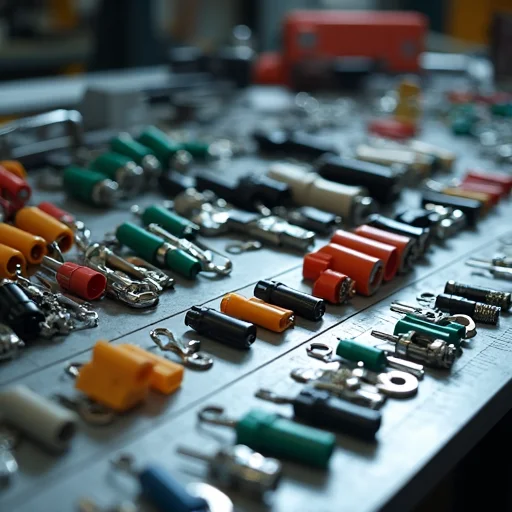
Electrical professionals, procurement engineers, and equipment manufacturers depend on precise wire terminal AWG specifications to ensure safe, reliable connections across industrial applications. The American Wire Gauge (AWG) system, standardized since 1857 according to Wikipedia’s comprehensive guide, establishes critical parameters for wire diameter, cross-sectional area, and current-carrying capacity. However, selecting the correct terminal for a given wire gauge involves more than just matching numbers—it requires understanding terminal compatibility standards, material specifications, and application-specific requirements. This guide explores 7 essential wire terminal AWG specifications that determine connection reliability, safety compliance, and long-term performance in demanding environments.
The AWG scale operates on an inverse numbering principle that often confuses newcomers to the industry. According to ASTM B 258 standards, larger AWG numbers indicate smaller wire diameters. For example:
This counterintuitive system originated from historical wire drawing processes. By definition, 36 AWG wire measures 0.005 inches in diameter, while 0000 (4/0) AWG reaches 0.46 inches—a 1:92 diameter ratio spanning 39 gauge steps. Each step represents approximately a 12.3% reduction in diameter, following a precise geometric progression. Understanding this logarithmic scale is fundamental to matching wire terminal AWG specifications with actual conductor dimensions in your projects.
Wire terminal selection critically depends on cross-sectional area (measured in mm² or circular mils), which directly determines current-carrying capacity. A 10 AWG wire carries 5.26mm² of conducting material, supporting approximately 30 amps in chassis wiring applications. Conversely, 22 AWG wire provides only 0.326mm², limiting it to 3-amp applications in low-voltage systems.
| AWG Size | Diameter (mm) | Area (mm²) | Typical Ampacity | Application |
|---|---|---|---|---|
| 10 AWG | 2.588 | 5.26 | 30A | Heavy industrial |
| 12 AWG | 2.053 | 3.31 | 20A | General circuits |
| 14 AWG | 1.628 | 2.08 | 15A | Lighting circuits |
| 16 AWG | 1.291 | 1.31 | 10A | Control systems |
| 18 AWG | 1.024 | 0.823 | 7A | Signal wiring |
| 22 AWG | 0.644 | 0.326 | 3A | Low-voltage |
Temperature also affects ampacity ratings. Copper conductors with 60°C insulation ratings carry lower current than identical gauges rated for 90°C. When specifying wire terminal AWG specifications, always verify both the wire gauge and the insulation temperature rating required for your application environment.
Wire terminals come in standardized types, each with specific AWG compatibility ranges. Ring terminals (OT – Open Terminal) and spade terminals (UT – U-shaped Terminal) follow identical sizing conventions but serve different mechanical functions.
Ring Terminal (OT) Compatibility:
Ferrule terminals (crimp-on wire end connectors) accommodate extremely small conductors from 28 AWG (0.08mm²) up to 6 AWG (16mm²), making them ideal for panel wiring, terminal blocks, and bus-bar connections. The choice between terminal types depends on application requirements: ring terminals excel in removable applications requiring frequent disconnection, while ferrule terminals provide permanent, vibration-resistant connections for industrial control systems.
Wire terminal AWG specifications must account for conductor and barrel materials suited to specific environments. Copper wire terminals (C11000 electrolytic tough pitch grade) represent the industry standard for most applications, offering superior conductivity and cost-effectiveness. However, harsh environments demand upgraded materials:
Insulation materials similarly affect performance. Standard PVC-insulated terminals operate safely to 105°C, while nylon-insulated variants extend to 125°C. For marine environments, UV-resistant XLPE insulation rated for 30-year outdoor exposure meets renewable energy and offshore applications.
According to IEC 60947-7-1 standards for terminal blocks, proper wire terminal AWG specifications must withstand minimum pull-out forces:
These mechanical requirements ensure connections remain secure during vibration-prone applications (automotive, heavy machinery) and installation handling. Cold-press crimping techniques, properly calibrated to match wire gauge specifications, consistently achieve these retention standards without damaging conductor strands.
Electrical installations across different regions must meet specific standards. North American installations require UL 486A-B wire connector compliance, which specifies:
European markets mandate IEC 60947-7-1 compliance for terminal blocks, including mechanical endurance testing (5,000+ connection/disconnection cycles) and thermal stability verification. Understanding regional requirements before specifying wire terminal AWG specifications prevents costly regulatory non-compliance and product rejections.
When evaluating wire terminal suppliers, conduct this 7-point verification process:
Sourcing high-quality wire terminals with precise AWG specifications directly impacts your electrical systems’ reliability, safety, and lifespan. Established manufacturers maintaining ISO 9001, CE, and UL/IEC certifications ensure consistent compliance with international standards. Whether you’re designing automotive wiring harnesses, renewable energy installations, or industrial control systems, matching conductor gauges to properly specified terminals creates secure, durable connections that withstand demanding operational environments for decades.
Ready to specify wire terminals with verified AWG specifications? Contact qualified suppliers today for technical documentation, sample kits, and cost-effective volume quotations tailored to your project requirements.
Explore our comprehensive range of professional-grade crimping tools designed specifically for wire terminal AWG specifications compliance:
Ratchet Crimpers for Non-Insulated Terminals:
Ratchet Crimpers for Insulated Terminals:
Ferrule Crimping Tools (Wire End Terminals):
Deepen your understanding of wire terminal AWG specifications with our expert-authored blog content:
Beginner & Fundamentals:
Intermediate & Advanced Topics:
Comprehensive Guides & Comparisons:
Mastering wire terminal AWG specifications is essential for any professional working with electrical connections. By understanding gauge ratings, terminal compatibility standards, material specifications, and compliance requirements, you ensure every connection meets industry standards while maintaining optimal reliability. Whether you’re sourcing terminals for automotive harnesses, renewable energy systems, or industrial control applications, use this guide as your reference tool. Pair this knowledge with precision-grade crimping tools certified to ISO 9001 standards for consistent, code-compliant results.
Need Professional Crimping Solutions? Browse our complete product catalog or contact our technical team for custom specifications, volume pricing, or application-specific tool recommendations.
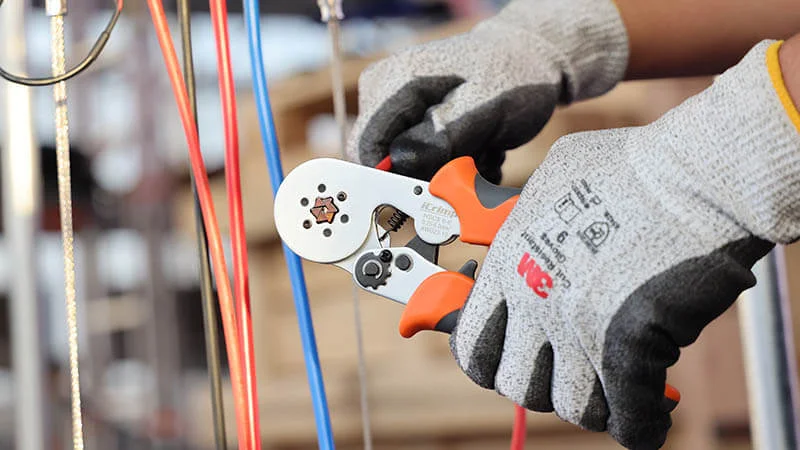
Discover the best ratcheting crimping tool with adjustable force ergonomic design and durable steel for precise insulated and heat shrink connector crimps.
Read More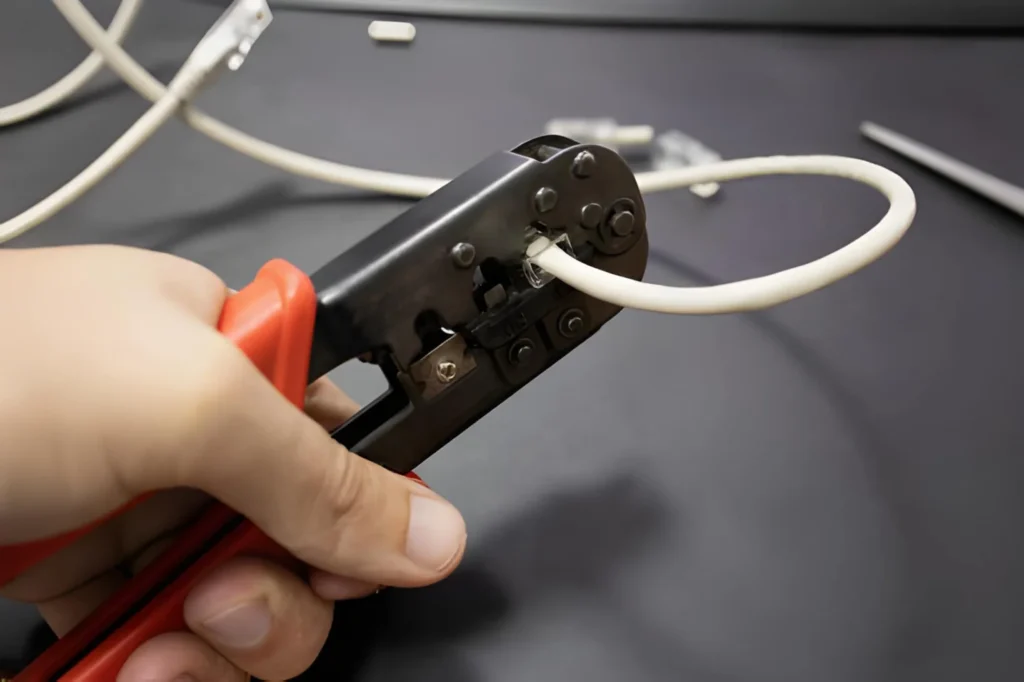
Look inside any control panel, car, boat, or solar system and you will see one thing in common: a lot of wires. Every one of those wires needs a safe, solid connection. That is exactly where wire crimping pliers make a huge difference. For installers and technicians, the right crimping tool means fewer failures and faster jobs. For buyers and tool brands, it means fewer complaints, fewer returns, […]
Read More
If you want to join cables and connectors safely, you need to understand crimping first. Crimping joins connectors and cables by compressing metal parts together to create a secure, long-lasting electrical bond. In this guide, you will learn what crimping is and which type of crimping tools you need to get your job done. What […]
Read More