Blog
DuPont Crimper vs JST Crimper Comparison Best Tools for Reliable Crimps
Discover the key differences between dupont crimper and jst crimper tools plus expert tips for choosing the best crimper for reliable electronic connections
Read More
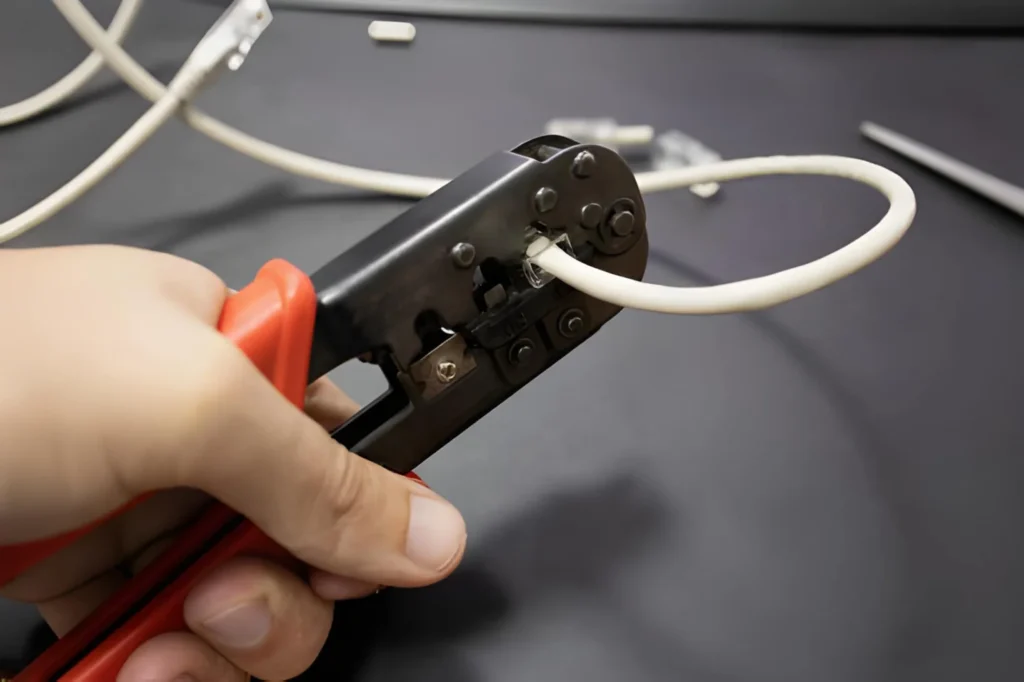
Look inside any control panel, car, boat, or solar system and you will see one thing in common: a lot of wires. Every one of those wires needs a safe, solid connection. That is exactly where wire crimping pliers make a huge difference.
For installers and technicians, the right crimping tool means fewer failures and faster jobs. For buyers and tool brands, it means fewer complaints, fewer returns, and happier customers who trust your products. When a small crimp fails, it can stop an entire machine or vehicle, so choosing the right wire crimping pliers is not a small decision at all.
In this guide, you will learn what wire crimping pliers do, which types are available, how to choose the best model, and how to use them step by step. The language is simple, so you can share this article directly with electricians, technicians, and even end users who are just starting with crimping work.
Wire crimping pliers are hand tools used to connect a wire to a terminal or connector by squeezing the metal until it firmly grips the copper strands. Instead of using solder, the tool applies pressure through a shaped jaw (the “die”) to form a strong mechanical and electrical connection.
A good crimp should:
Most electrical wire crimping pliers have:
For many users, handheld crimping pliers are the first real “professional” tool they buy for wiring jobs, and a positive experience with a good crimper often builds long‑term trust in the brand.
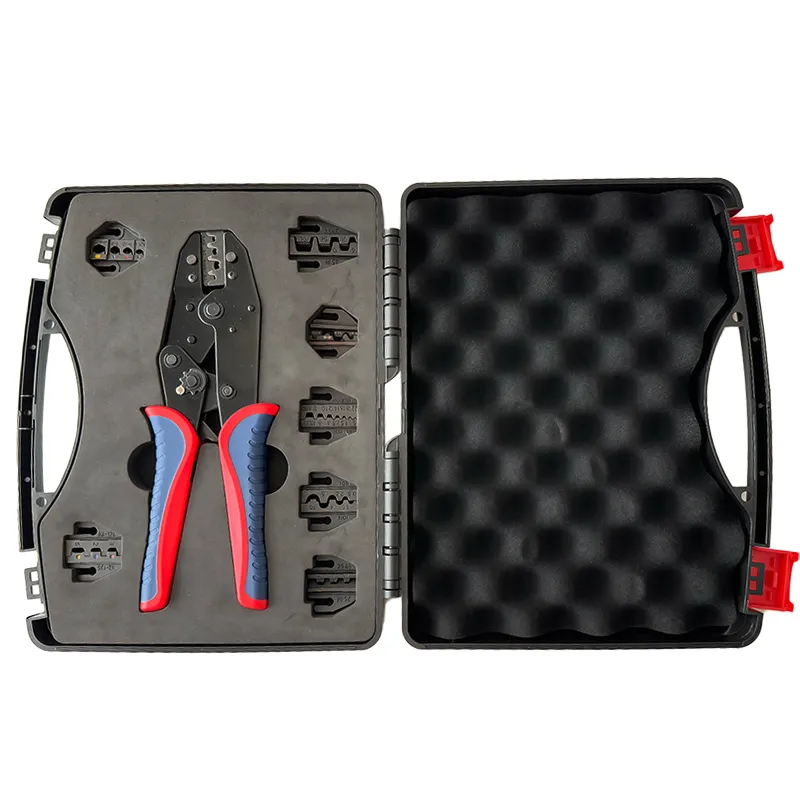
There are many models of crimping tools on the market, but most of them fall into a few simple categories. Understanding these makes it much easier to choose the right tool and explain it to customers.
Manual Wire Crimping Pliers
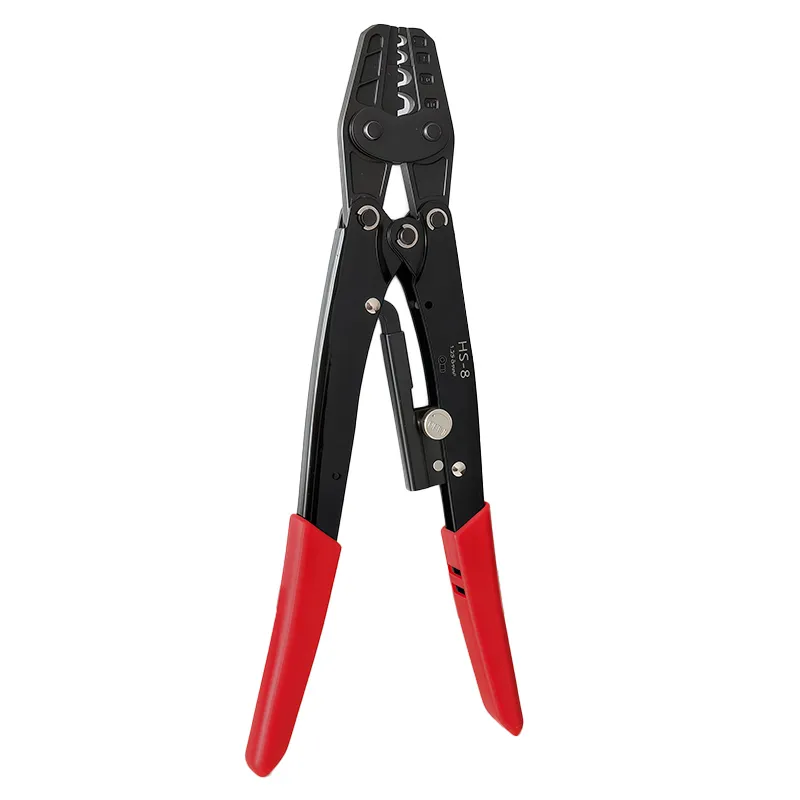
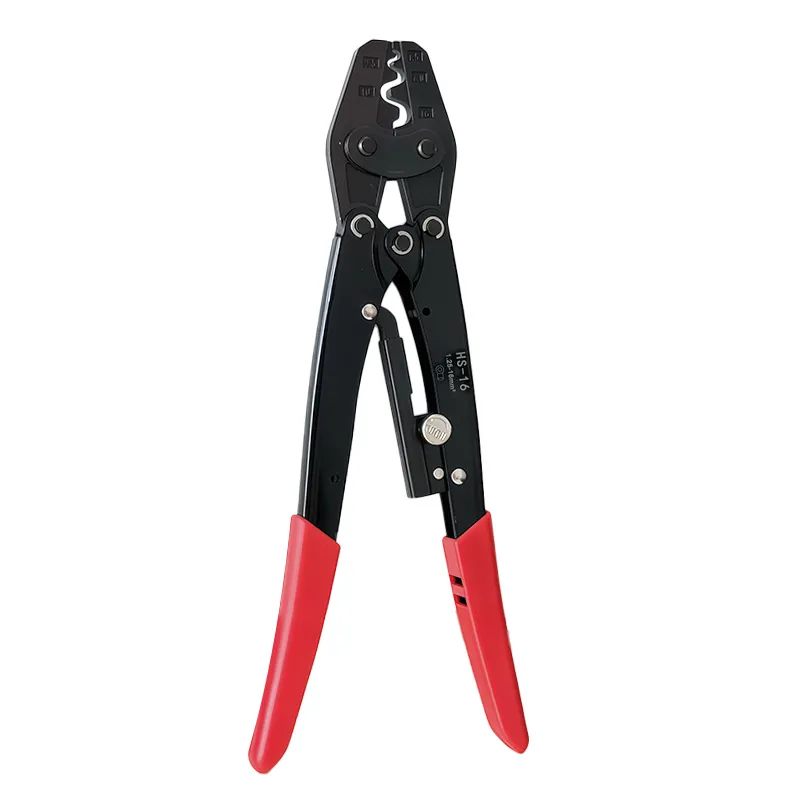
These are the classic, basic tools: two handles, a hinge, and crimping jaws with different notches.
Manual wire crimping pliers are perfect as an entry‑level option. They cover common tasks like crimping insulated ring and spade terminals on light cables and household wiring.
Ratchet Wire Crimping Pliers
Ratchet wire crimping pliers look similar at first, but they have a built‑in ratchet mechanism. When you squeeze the handles, the ratchet locks and only releases once the crimp is fully completed.
Because the ratchet controls the pressure, ratchet wire crimping pliers help reduce “half‑crimps” and user error. That is why they are often considered the professional standard for daily work.
Automatic and Self‑Adjusting Wire Crimping Pliers
Automatic wire crimping pliers and self‑adjusting crimpers are designed for speed and convenience. Within a certain range, the tool can adapt to different wire sizes without constant manual adjustment.
These tools are popular with teams that handle many different cable sizes and want to keep their toolbox as light and efficient as possible.
Wire Stripping and Crimping Pliers
Some tools combine several functions into one body, often called wire stripping and crimping pliers or multi‑function crimpers.
For people who spend their day on ladders, roofs, or inside vehicles, carrying one multi‑function tool instead of three or four separate tools is a big advantage.
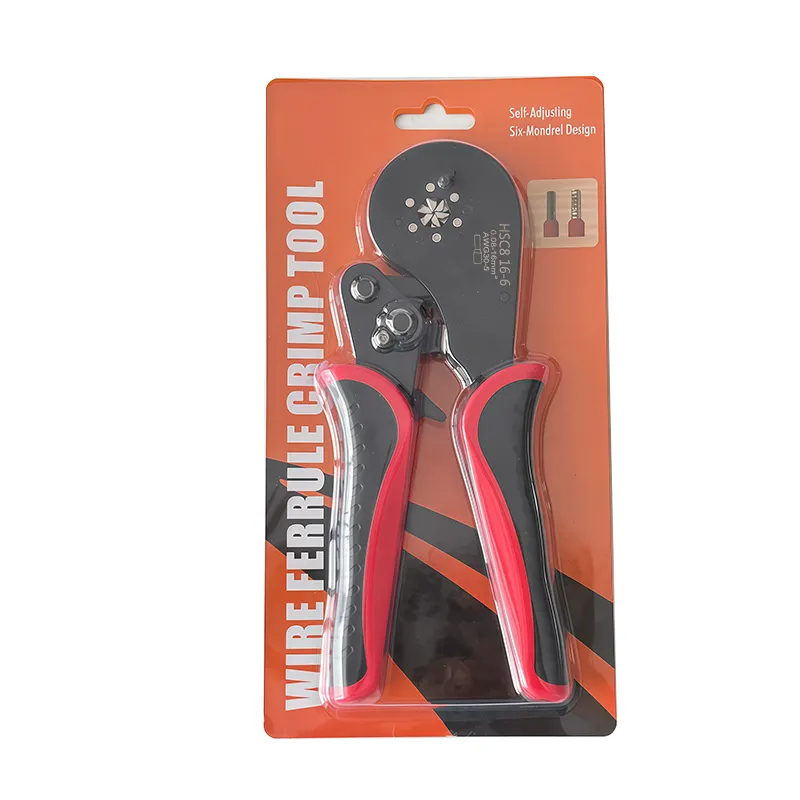
Ferrule Crimping Tools
In control cabinets and industrial automation, many wires are fine‑stranded and are terminated with ferrules. Ferrule crimping tools are designed to crimp these small metal sleeves onto the wire ends.
Ferrule crimping tools usually create a square or hexagonal crimp profile that fits perfectly into terminal clamps and improves both safety and appearance.
Simple Comparison of Tool Types
Here is a quick overview you can also use inside your product descriptions:
| Tool Type | Typical User | Main Use | Key Benefit |
|---|---|---|---|
| Manual wire crimping pliers | DIY, small workshops | General light crimping tasks | Low cost and easy to use |
| Ratchet wire crimping pliers | Electricians, installers | Daily professional wiring work | Consistent, high‑quality crimps |
| Automatic wire crimping pliers | Fast‑paced installers | Mixed wire sizes, speed‑focused jobs | Self‑adjusting and time‑saving |
| Wire stripping and crimping pliers | Mobile technicians | Field work and compact toolkits | Multiple functions in one tool |
| Ferrule crimping tools | Panel builders, OEMs | Ferrule terminations in control panels | Clean, reliable cabinet wiring |
1. Check Wire Size and Range
Every pair of wire crimping pliers has a recommended wire range, for example:
The easiest way to guide users is to say which applications this range suits, such as “perfect for home electrical projects and small machinery” or “designed for automotive cables and boat wiring.”
2. Match the Connector Type
Crimping tools are often optimized for specific connector families:
In your own content, use simple phrases like “ideal for insulated ring and spade terminals” or “made for ferrules in control cabinets” so users can quickly see if the tool matches their job.
3. Consider How Often It Will Be Used
A user who crimps one or two connections per week has different needs from a technician who crimps hundreds per day.
You can also add a short suggestion like: “Tell us your main wire sizes and applications, and we will recommend the right wire crimping pliers for you.”
Many users want a simple, clear guide on how to crimp correctly. This section can also be turned into a separate “How‑to” post or infographic.
Following these basic steps helps users get stable, professional‑looking connections with almost any good crimping tool.
Even with high‑quality wire crimping pliers, mistakes still happen. Here are a few common ones you can highlight to educate users and reduce support questions.
Wire connections may be small, but they decide whether a project is safe, efficient, and long‑lasting. The right wire crimping pliers help technicians make strong, clean connections that stand up to real‑world conditions. For users, that means less rework and fewer breakdowns; for brands and buyers, it means better reputation and lower after‑sales costs.
By understanding the main types—from manual and ratchet wire crimping pliers to automatic crimpers, wire stripping and crimping pliers, and ferrule crimping tools—you can choose the tool that truly fits your work. Add clear explanations and simple guides like the ones in this article, and your customers will find it much easier to select and use the right crimping tool.
If you are planning your own product line or looking for a reliable supplier of wire crimping pliers, invite your readers to reach out: a short line such as “Send us your wire sizes, applications, and target budget to get a tailored recommendation” can turn curiosity into real inquiries.
No. Once you understand the basic steps—strip, insert, crimp, and test—using wire crimping pliers becomes very straightforward. Ratchet models make it even easier by controlling the pressure for you.
It is not recommended. Ordinary pliers do not create the correct crimp shape or pressure, which often leads to loose connections and electrical problems later. Proper wire crimping pliers are designed specifically for safe, reliable crimps.
Ratchet wire crimping pliers only release when the crimp is fully completed. This helps you get uniform crimps, even at the end of a long day, and reduces the chance of weak or incomplete connections.
Choose automatic or self‑adjusting wire crimping pliers if you often work with different wire sizes and need to work quickly. These tools reduce setup time and make it easier for less experienced users to get good results.
Ferrule crimping tools are used to crimp small metal sleeves, called ferrules, onto the ends of fine‑stranded wires. This is very common in control cabinets and industrial machines, where clean, reliable terminal connections are important.
If you are a DIY user or just starting out, a good manual wire crimping pliers is enough for many simple tasks. If you are a professional electrician, technician, or workshop owner, a quality ratchet wire crimping pliers is usually the best first choice.
Discover the key differences between dupont crimper and jst crimper tools plus expert tips for choosing the best crimper for reliable electronic connections
Read More
Have you ever struggled with loose wire connections or unreliable prototypes that fail just when you need them most? If so, you already understand why having the right Dupont crimp tool matters. This small but powerful hand tool ensures your electrical and electronic connections are secure, consistent, and professional — whether you’re prototyping a circuit, […]
Read More
Professional Grade Crimps for Secure Electrical Connections When it comes to reliable electrical connections, the JiaPaiMi electrical connector crimping tool delivers professional grade crimps that ensure long-lasting performance. Designed for both technicians and DIY users, this crimper creates gas-tight crimps that prevent corrosion and maintain electrical integrity over time. The JiaPaiMi Difference Feature Benefit Gas-tight […]
Read More