Blog
Best Non Insulated Terminal Crimper Guide With Top Ratcheting Tools
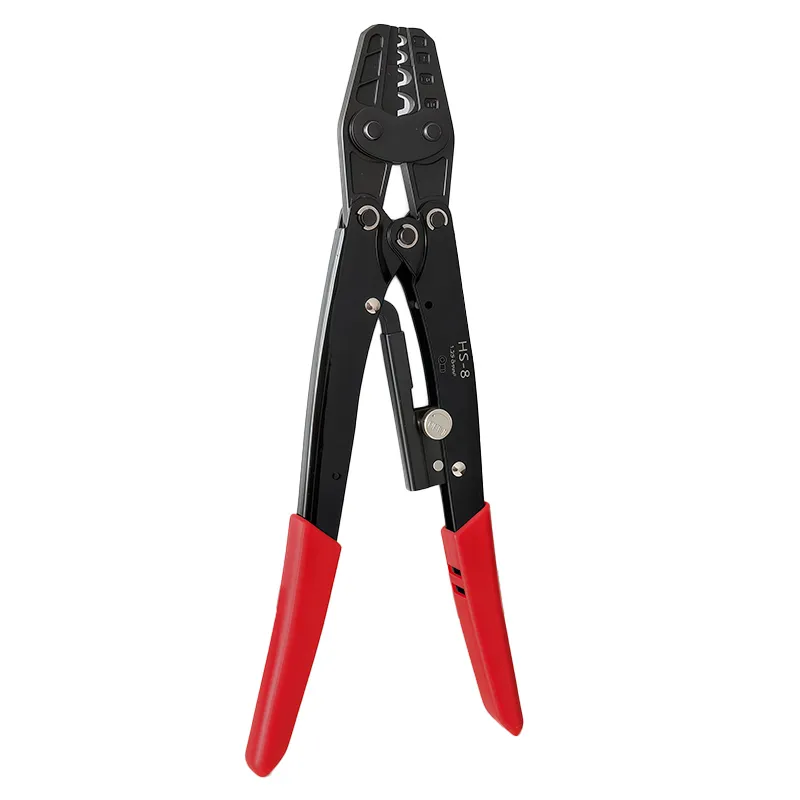
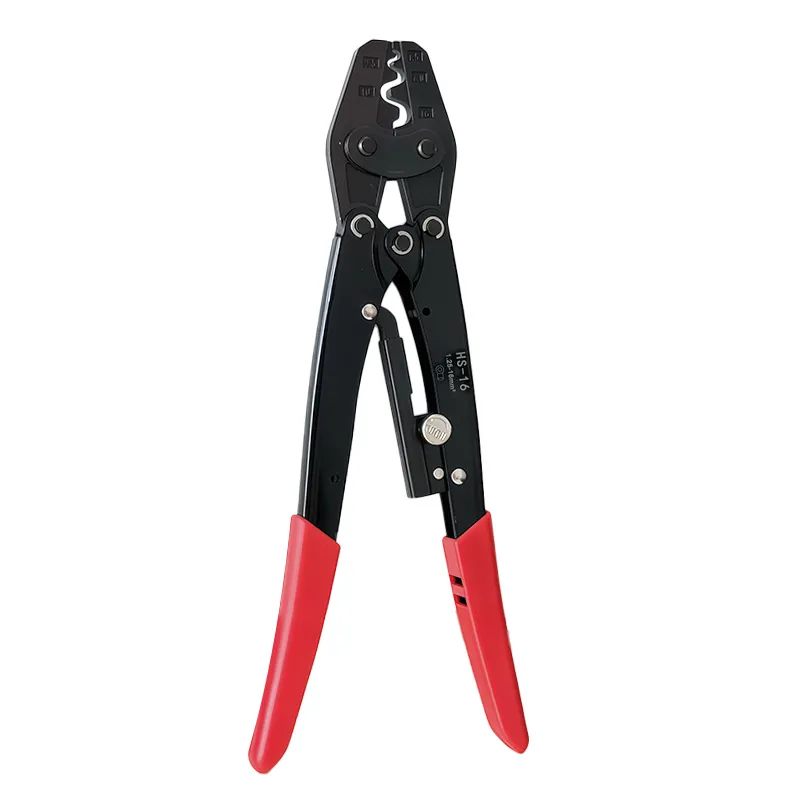
Discover top-rated non insulated terminal crimpers with ratcheting mechanisms and ergonomic design for secure professional electrical connections.
Read More
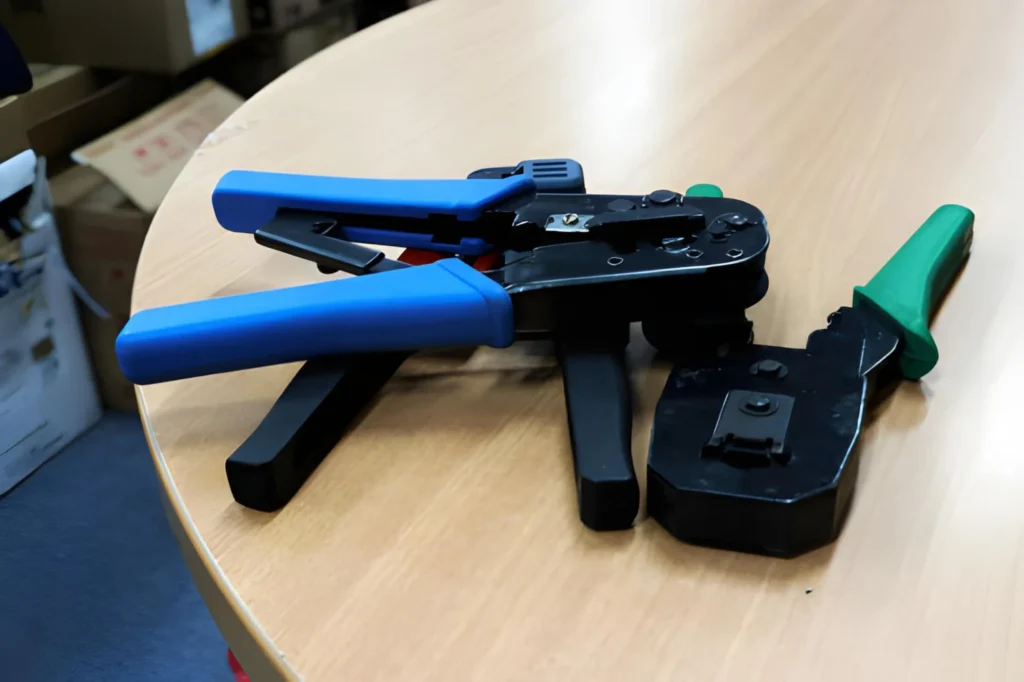
If you work on control panels, machine wiring, automotive harnesses, or serious DIY projects, a good ratchet crimp tool can quietly make or break your day. When crimps are consistent, your terminations pass inspection, panels stay stable, and you stop chasing “mystery” intermittent faults at 10 p.m. on a Friday. In this guide, we will walk through what a ratchet crimp tool is, how it works, how to choose the right one, and how to use it correctly in industrial and professional environments.
A ratchet crimp tool is a hand tool that compresses a terminal or cable lug around a stripped conductor and locks it in place until the correct pressure has been applied. Instead of relying on your grip strength and “feel,” the internal ratchet mechanism forces the jaws to complete a full crimp cycle before they release, which gives you repeatable, uniform connections.
Inside the handles, a toothed ratchet wheel and pawl mechanism engage as you squeeze, progressively closing the dies with controlled force at each “click.” When the preset crimp force is reached, the ratchet automatically unlocks so the tool opens again, helping to avoid under‑crimping (loose terminals) and over‑crimping (damaged barrels or cut strands). This is why a quality ratcheting wire crimper is preferred in wiring harness production, panel shops, and automotive workshops where you might repeat the same crimp hundreds of times per day.
Because ratchet designs spread the force over the full stroke, they are also more ergonomic than basic pliers, which helps reduce strain injuries in high‑volume cable assembly work. For technicians who crimp from 1.0 mm² sensor lines up to 25 mm² battery cables, this makes a real difference by the end of a long shift.
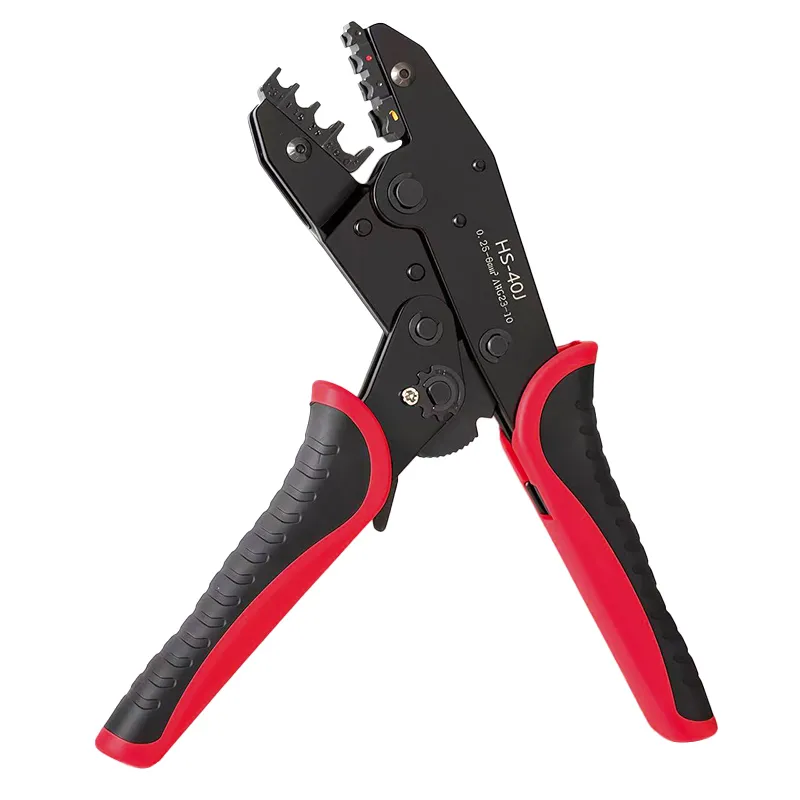
Main components and what they do
Even though they all share the same basic ratchet principle, not every ratchet crimp tool is meant for the same job. Choosing the wrong type can give you pretty crimps that quietly fail pull‑tests or cause heat build‑up in the field.
Below are some of the most common styles you see in industrial panels, automotive wiring, and harness shops.
If you are setting up a new assembly line or upgrading your tool pool, this is a great moment to standardize tool types per terminal family so your technicians always use the correct ratchet crimp tool with matching connectors.
Have you ever had a joint that looked perfect, only to fail a simple pull test or heat up under load? That is usually a sign of uncontrolled crimp force or the wrong die profile, not just “bad luck.” A ratchet mechanism solves this by forcing a complete, calibrated compression every time.
As you squeeze the handles, the ratchet steps progressively close the dies onto the terminal barrel, deforming it plastically around the wire strands. This cold‑welding effect presses metal into the strands, displacing air pockets and giving you low resistance and stable mechanical strength. When the tool reaches its set crimp force, the ratchet releases so you can open the handles and pull out the finished connection.
High‑quality tools are designed for specific ranges, for example 0.5–1.5 mm², 1.5–2.5 mm², and 4–6 mm² on different color‑coded nests, which aligns with common terminal sizing and standards. This design reduces the chance that a rushed technician will use the “nearest” cavity instead of the correct one, which is common in field repairs.
Modern professional ratcheting wire crimpers increasingly feature ergonomic grips, lower handle forces, and carefully designed geometry to reduce RSI in high‑volume crimping environments such as harness shops and cable assembly centers. Some semi‑automatic and electro‑mechanical tools even log crimp cycles for traceability, which is highly valued in automotive and aerospace projects.
From an engineering or purchasing point of view, the “right” ratchet crimp tool is not just about price. It is about matching terminals, conductor range, standards, and expected duty cycle so your crimps stay reliable over the life of the asset.
Start with the terminals and cables your team actually uses. Are you primarily crimping insulated ring terminals in 1.5–2.5 mm² for building installations, or are you on 16–35 mm² copper lugs for battery banks and motors? A ratcheting crimper for insulated terminals is optimized for thin‑wall barrels and plastic insulation support, while ratchet crimping pliers for cable lugs are built for thicker copper and higher compression forces.
Next, check compliance and quality requirements on your projects. OEMs in automotive, rail, or machinery may specify particular crimp profiles, pull‑off forces, or even approved tool models from recognized manufacturers. In those cases, using a generic tool might pass a quick visual check but fail PPAP, type testing, or customer audits.
Also think about environment and frequency of use. A field technician doing occasional terminations in building electrical installation can live with a basic tool, but a harness production worker crimping thousands of joints per week will benefit from lower handle effort, lighter tools, and possibly interchangeable die systems. For very high volumes, hybrid or battery‑powered crimp tools can reduce operator fatigue and keep cycle times consistent.
If you are planning a new project or updating your tool list for a production line, you can also contact our team to choose the right ratcheting crimper for your wiring standards and terminal suppliers.
Wondering how to use a ratcheting crimper so your joints pass both visual inspection and pull‑testing? The basic sequence is always the same, whether you are in a control panel shop or in an automotive workshop.
For ferrules on fine‑strand conductors feeding PLC terminals, using a dedicated square‑crimp ratchet tool improves contact surface area and ensures the conductor sits firmly in the clamp without stray wires. In automotive wiring repairs, using the correct open‑barrel ratchet crimper rather than generic pliers keeps terminals gas‑tight and vibration‑resistant inside multi‑pin connectors.
If you are standardizing work instructions, consider including photos of correct and incorrect crimps plus the exact ratchet crimp tool model used for each terminal family, which makes training new technicians much faster.
Even with a good ratchet crimp tool, it is easy to create weak joints if procedures are rushed or tools are mismatched. The most frequent issues seen in inspections and failure analysis are surprisingly simple.
One of the biggest mistakes is mixing terminals and tools from different systems without checking compatibility. A ratcheting crimper for insulated terminals will not form the correct profile on heavy copper tube lugs, and an automotive open‑barrel die will not work properly on PVC‑insulated ring terminals. Another classic error is using the wrong cavity for the cable size, especially late in the day when operators are tired or in a hurry.
Skipping the full ratchet cycle is another silent killer of reliability. Some technicians try to force the ratchet open early to save time, but that leaves the barrel under‑compressed and vulnerable to vibration, temperature cycling, or high current. Poor stripping – cutting strands, leaving nicks, or stripping too long – also undermines an otherwise well‑made crimp, particularly in high‑flex wiring on machinery.
Finally, neglected tools cause problems of their own. Dirt in the dies, worn ratchet mechanisms, or bent handles all lead to inconsistent compression and surprises during testing. For any serious operation, it is wise to treat ratchet crimp tools like measuring equipment: assign them IDs, check them periodically, and replace or recalibrate when needed.
Maintenance tips for long tool life
In high‑volume harness shops, some companies now move heavy‑force applications to electro‑mechanical crimping systems to reduce operator fatigue and repetitive strain injuries while keeping ratchet hand tools for lighter work.
If you are planning to standardize crimping processes across multiple sites or contractors, our technical team can work with you to define tool types, test methods, and maintenance intervals that match your production volumes.
A well‑chosen and correctly used ratchet crimp tool is one of the simplest ways to boost reliability, safety, and efficiency across your electrical projects. Whether you are building control panels, maintaining industrial machinery, producing automotive wire harnesses, or upgrading building electrical installation, consistent crimps translate directly into fewer failures, cleaner inspections, and lower life‑cycle costs.
By matching the tool type to your terminals, training your team on how to use a ratcheting crimper properly, and treating crimping as a controlled process rather than an afterthought, you can bring your wiring quality in line with the rest of your engineering standards. From compact ratcheting crimpers for insulated terminals to robust ratchet crimping pliers for cable lugs, the right choice pays you back every time a panel powers up cleanly on the first try.
If you would like support choosing tools for your specific terminals and wire ranges, our engineers are ready to review your application data and suggest a practical tool set.
Send your terminal list and wire sizes, and get a tailored crimping tool recommendation.
A simple crimping plier relies entirely on the operator’s hand force and judgement, so crimp quality can vary a lot between users and even during a single shift. A ratchet crimp tool locks closed until a preset force is reached, giving more consistent compression, better electrical contact, and reduced risk of loose joints in industrial and automotive wiring.
In practice, no single ratchet crimp tool can handle everything from small signal terminals to large power lugs with perfect results. Most professional setups keep dedicated tools or interchangeable die systems for insulated terminals, ferrules, open‑barrel automotive terminals, and heavy copper lugs so that each connection is crimped with the appropriate profile.
The tool itself can be used anywhere, but the key is matching it with terminals rated for the environment, such as heat‑shrink and tinned‑copper connectors for marine or outdoor use. When combining the correct ratcheting wire crimper with high‑quality insulated terminals, you can achieve gas‑tight joints that resist moisture, vibration, and corrosion far better than generic crimps.
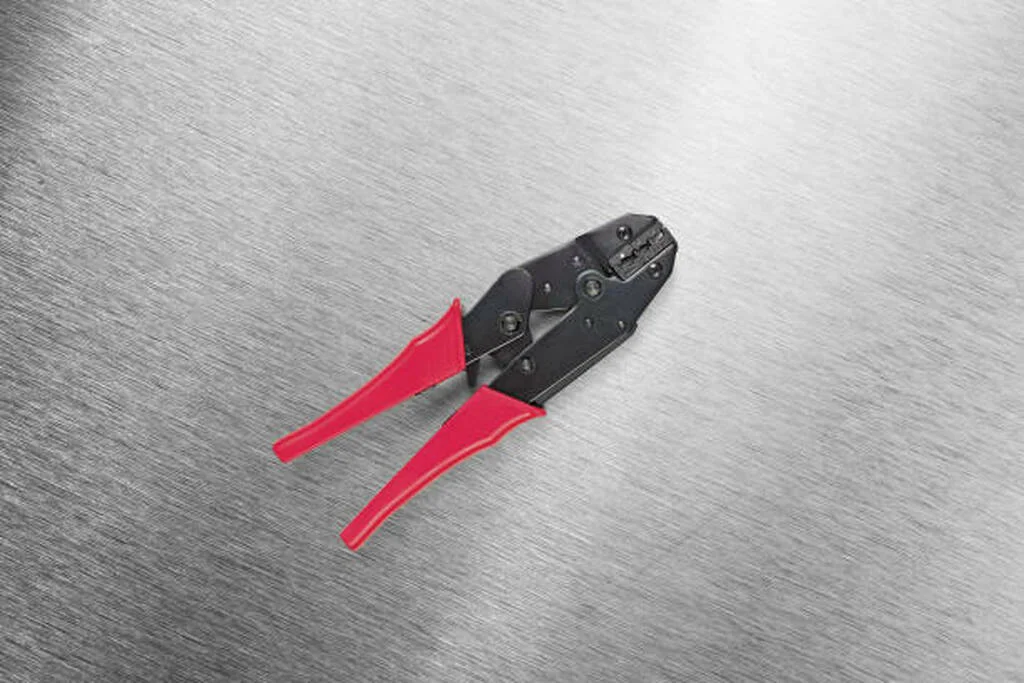
Discover top-rated non insulated terminal crimpers with ratcheting mechanisms and ergonomic design for secure professional electrical connections.
Read More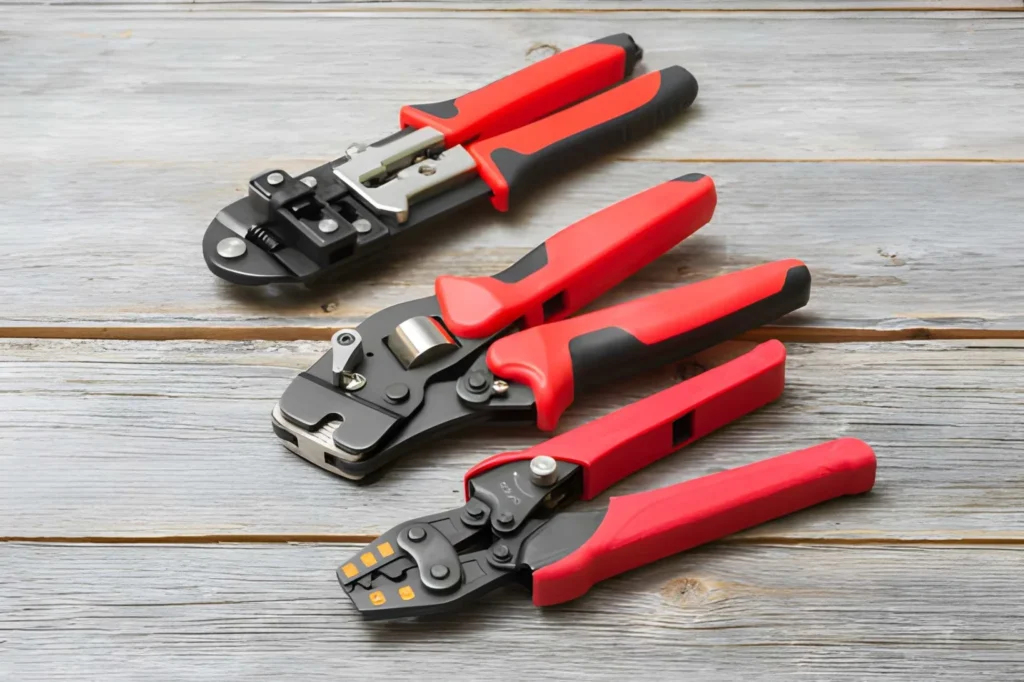
If you work with electrical wires, cables, or connectors, a pliers crimping tool quickly becomes your best friend. It looks simple. It feels familiar in your hand. But when used correctly, it can turn loose, unreliable connections into strong, safe, and professional results. In this guide, you will learn what a pliers crimping tool is, […]
Read More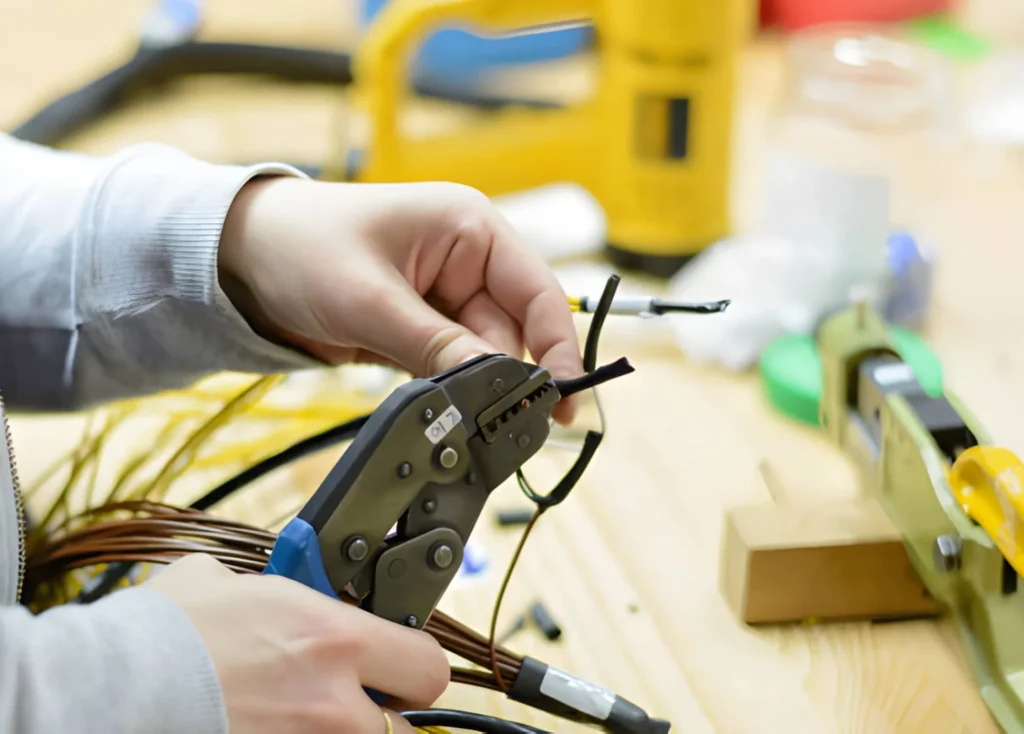
Have you ever struggled with loose wire connections or unreliable prototypes that fail just when you need them most? If so, you already understand why having the right Dupont crimp tool matters. This small but powerful hand tool ensures your electrical and electronic connections are secure, consistent, and professional — whether you’re prototyping a circuit, […]
Read More