If you work with electrical wires, cables, or connectors, a pliers crimping tool quickly becomes your best friend. It looks simple. It feels familiar in your hand. But when used correctly, it can turn loose, unreliable connections into strong, safe, and professional results.
In this guide, you will learn what a pliers crimping tool is, how it works, what types exist, and how to choose the right one for your jobs. Along the way, you will also see how a good crimping plier can save time, reduce rework, and improve safety—whether you are a DIY user, an electrician, or a buyer sourcing tools for a workshop or factory.
By the end, you should feel confident about picking and using a pliers crimping tool that truly fits your needs. And if you are sourcing in bulk for your business, you will know what to look for and what to ask suppliers before placing an order.
What is a pliers crimping tool?
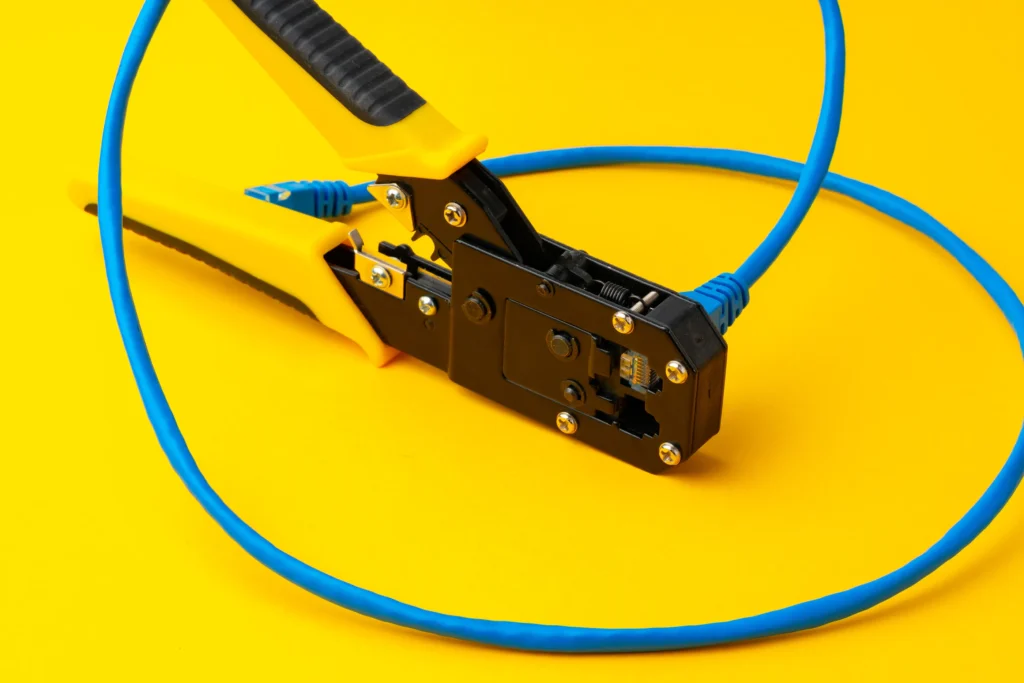
A pliers crimping tool is a hand tool that joins a connector to a wire by squeezing, or “crimping,” them together. Instead of using solder or welding, the tool presses the metal of the terminal around the wire strands. This forms a tight, permanent connection.
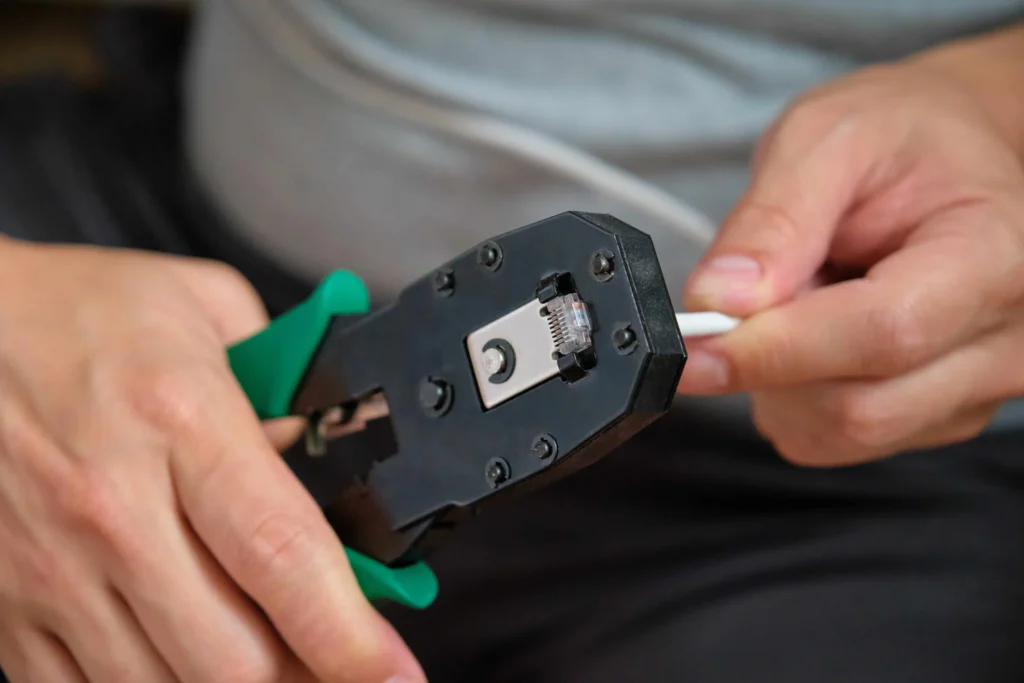
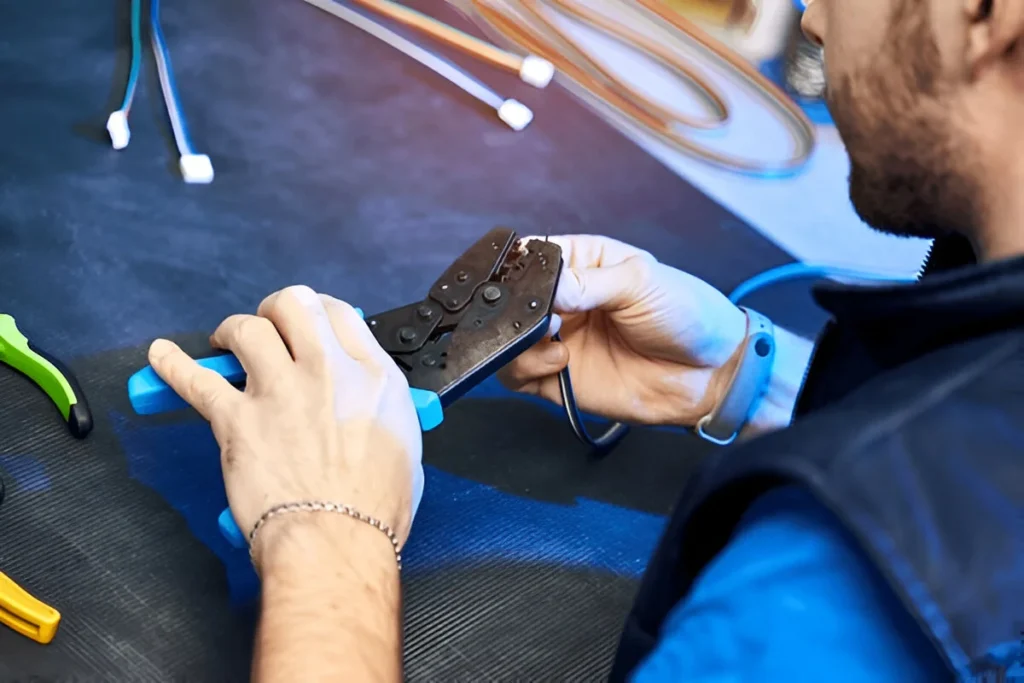
You open the handles, insert the terminal and the stripped wire into the jaws, and then squeeze. The jaws have specific crimp profiles that match different terminals. When you release the handles, the connector and wire are now mechanically and electrically bonded.
This sounds simple, but it matters a lot. A good crimp means:
Stable electrical contact
Reduced heat at the joint
Lower risk of loose wires or failures over time
A poor crimp, on the other hand, can cause intermittent faults, overheating, or even fire. That is why the quality and design of your pliers crimping tool is so important.
Common types of pliers crimping tools
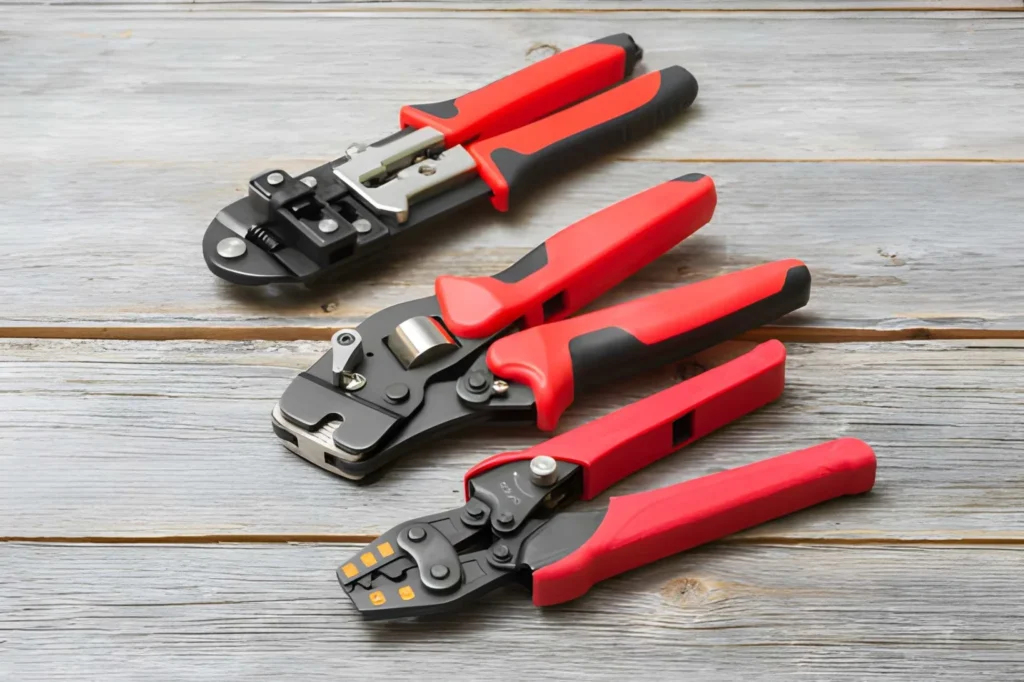
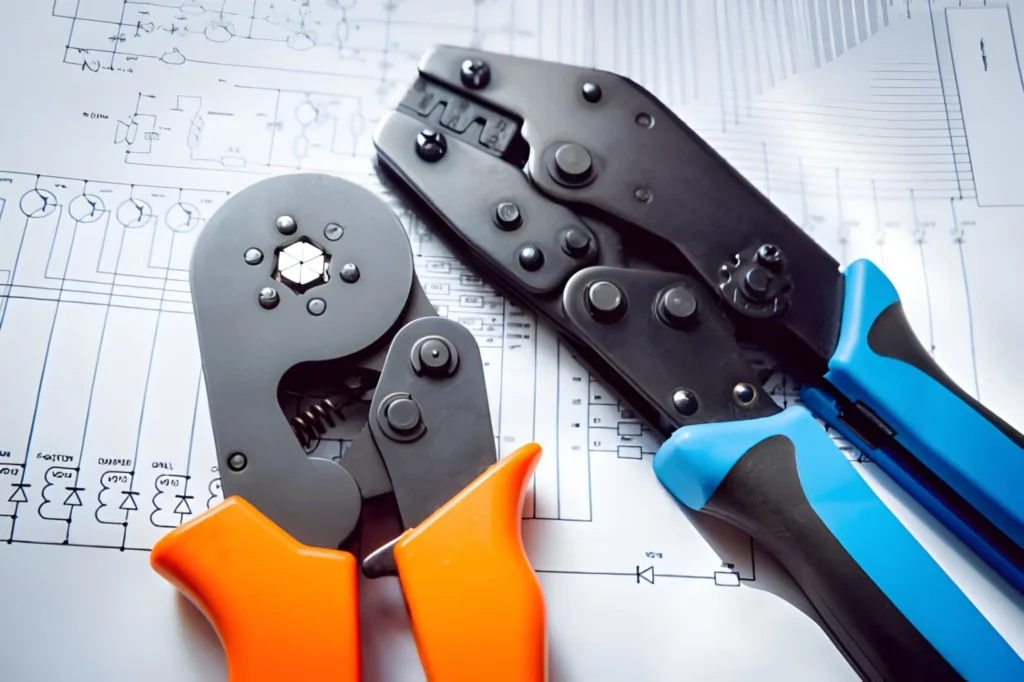
There is no “one-size-fits-all” crimping tool. Different cables and terminals need different tools. When you search for a pliers crimping tool, you will see several popular types.
1. Insulated terminal crimping pliers
These are used for standard insulated terminals, such as red, blue, and yellow crimp connectors. They are common in automotive wiring, home electrical work, and general maintenance.
Color-coded markings for quick size selection
Simple, reliable design
Ideal for everyday crimping jobs
2. Ferrule crimping pliers
A ferrule crimping plier is made for crimping wire end ferrules. These small metal sleeves go over the end of a stranded wire to protect and consolidate the strands.
Ferrule crimping pliers often have:
Square or hexagonal crimp profiles
Self-adjusting jaws for a wide cable range
Better contact area for control panel wiring
They are especially popular in industrial control cabinets, switchboards, and machine wiring.
3. Ratcheting pliers crimping tool
A ratcheting pliers crimping tool locks partially during the squeeze and only releases when the crimp is fully completed. This gives you:
Consistent pressure with every crimp
Less hand fatigue on repetitive work
Lower risk of half-finished crimps
If you do a lot of professional crimping, a ratchet crimping tool is usually worth the investment.
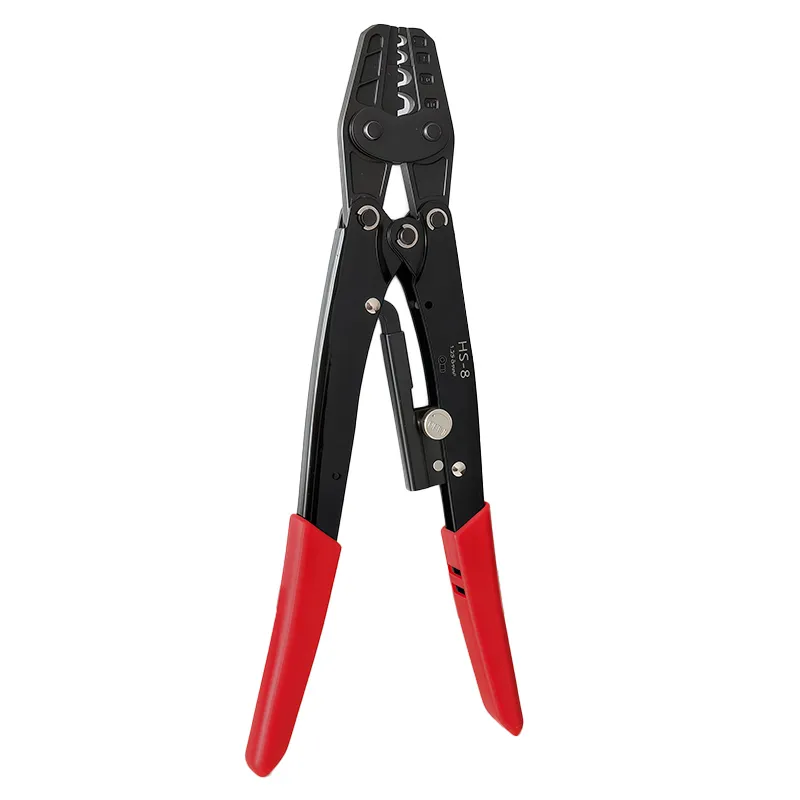
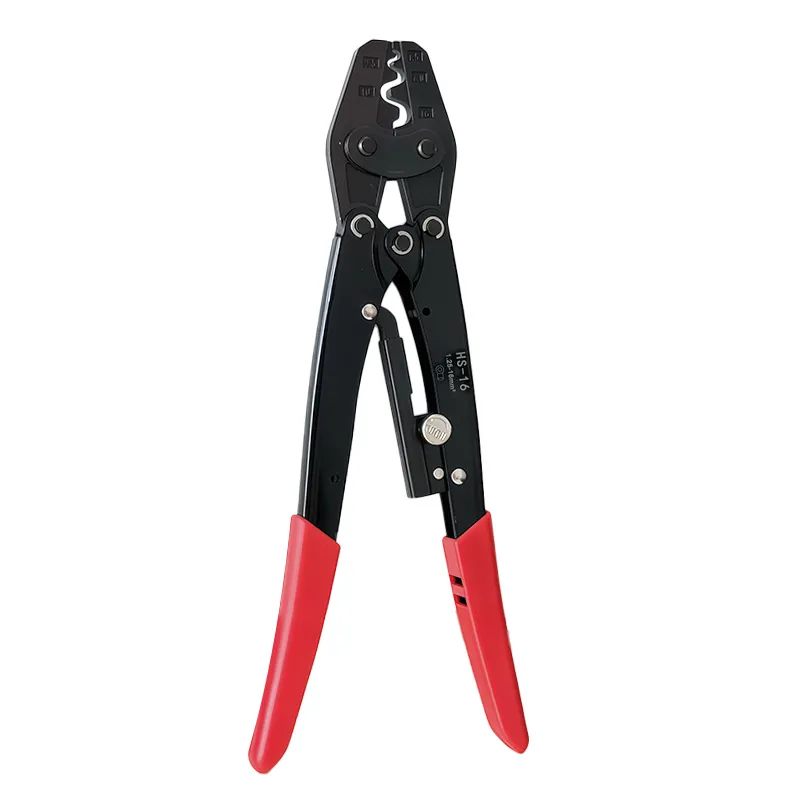
4. Heavy-duty cable lug crimping pliers
For large cables and lugs, you need a more powerful pliers crimping tool. These heavy-duty models often include:
Long handles for greater leverage
Multiple crimp sizes for different lug diameters
Strong steel construction for repeated use
They are common in battery cable installation, solar systems, industrial power cabinets, and grounding systems.
How does a pliers crimping tool work?
Let’s take a closer look at the working principle of a pliers crimping tool, because understanding this helps you get better results.
Inside the jaws, there are shaped profiles or “dies.” When you squeeze the handles, these dies close around the terminal and the wire. The metal of the connector deforms and presses tightly around the strands of the wire.
This process:
Removes small air gaps between conductor and terminal
Increases the metal-to-metal contact area
Creates a gas-tight, vibration-resistant joint
With a ratcheting pliers crimping tool, the internal mechanism ensures the jaws close with consistent force. Some models also offer adjustable pressure, so you can fine-tune the crimp for different terminal types or cable sizes.
If you are dealing with high-current or high-vibration environments, this consistent crimping force is a big advantage. It helps ensure every connection meets a reliable standard, not just “good enough.”
Key features to look for when buying
If you are considering a new pliers crimping tool, what should you check? Here are the main features that matter in day-to-day use.
Ergonomic design
A good handle design makes longer jobs much easier. Look for:
Non-slip, padded grips
Handles long enough to give leverage, but not too bulky
Balanced weight for better control
Comfort might sound like a small detail, but over a full day of work, it matters a lot for your hands and wrists.
Crimping range and compatibility
Your pliers crimping tool should match the terminals and cables you use most often. Check:
Supported wire sizes (for example 0.250.250.25–6 mm26\ \text{mm}^26 mm2 or AWG ranges)
If you need flexibility, a tool with interchangeable dies can be a good choice, especially in a workshop or production line environment.
Material and durability
The tool body should be made from strong materials such as high-carbon steel or alloy steel. This ensures:
Stable crimping force over time
Resistance to deformation and wear
Longer service life, even in tough conditions
When sourcing in bulk, always ask about material specifications and hardness treatment. It can make a big difference in actual lifetime and maintenance costs.
Ratcheting mechanism and adjustment
On a ratcheting pliers crimping tool, check for:
Smooth ratchet action without sticking
An easy-to-use pressure adjustment screw
A quick-release function for safety
These small details improve both safety and productivity, especially when multiple operators share the same tools.
Typical applications for pliers crimping tools
A pliers crimping tool is used in many industries and projects. You might be surprised how often crimped connections appear in daily life.
Common application areas include:
Automotive and marine wiring: Crimped terminals for lights, sensors, batteries, and accessories.
Electrical installation: Terminals for switchboards, outlets, junction boxes, and control panels.
Industrial machinery: Ferrule crimping pliers for control circuits and PLC connections.
Renewable energy: Cable lug crimping for solar panels, inverters, and battery banks.
Electronics and DIY projects: Small crimp connectors for low-voltage and signal wiring.
If your business involves any of these fields, having the right pliers crimping tool on hand is almost a must.
Step-by-step: how to use a pliers crimping tool correctly
Even the best pliers crimping tool can give bad results if used incorrectly. Follow these simple steps for a secure crimp every time.
Select the right terminal and wire size Make sure the connector matches your cable size. Too big or too small always leads to weak crimps.
Strip the insulation carefully Strip just enough insulation so that the bare conductor fills the barrel of the terminal. Do not cut or damage the strands.
Insert the wire into the terminal Push the strands all the way in until they reach the end. No strands should be left outside.
Place the terminal in the pliers crimping tool Align the terminal in the correct crimping slot that matches its size and type. Make sure the seam or markings are oriented as recommended by the tool or terminal manufacturer.
Squeeze firmly and fully Close the handles completely. On a ratcheting pliers crimping tool, wait until the ratchet releases.
Inspect the finished crimp Check that the terminal is tight, not crushed or cracked. Give the wire a gentle pull. If it slips out, the crimp is not secure and must be redone.
With practice, this whole process becomes quick and natural—but it is still worth training new operators and checking quality regularly.
Safety tips when using crimping pliers
A pliers crimping tool is simple, but safety still matters. Here are a few basic tips to keep in mind:
Always wear suitable eye protection when working with wires and terminals.
Keep fingers away from the jaws when squeezing the tool.
Do not use the crimping section to cut or twist hard materials.
Store the tool in a dry place to prevent rust and stiffness.
Check your tool regularly for damage or wear, especially around the jaws.
Safe use not only protects people, but also improves the quality and consistency of the crimps.
When should you replace your pliers crimping tool?
Like any hand tool, a pliers crimping tool wears over time. But when do you know it is time to replace it?
Common signs include:
The jaws no longer close evenly or fully
Crimps look inconsistent even with correct technique
Terminals pull off easily during pull tests
Visible cracks, bending, or heavy rust on the tool
If you use crimping pliers in a professional environment, it is wise to set simple inspection and replacement rules. This helps avoid failures in the field and reduces rework costs.
Sourcing a pliers crimping tool for your business
If you are a buyer, distributor, or workshop manager, choosing the right supplier for your pliers crimping tool is just as important as choosing the right model.
When comparing suppliers, consider:
Product range: Can they offer several types (ferrule crimping pliers, ratcheting pliers crimping tools, cable lug crimping pliers) to cover your full demand?
Quality control: Do they test crimp strength, hardness, and durability?
Customization: Can they provide custom colors, branding, or packaging?
Lead time and MOQ: Are delivery times and minimum order quantities suitable for your business?
Before placing a bulk order, it is wise to request samples and test them with your own wires and terminals. This real-world test is often the best way to judge a pliers crimping tool.
If you are looking for a reliable manufacturer or want to compare prices and models, feel free to reach out with your specific requirements. It is easy to get tailored recommendations and a quotation based on your cable sizes, terminals, and application field.
Conclusion
A high-quality pliers crimping tool might look like a small detail in your toolbox, but it has a big impact on the safety, performance, and durability of your electrical connections. By understanding the different types, key features, and correct usage, you can avoid weak crimps, reduce failures, and work with more confidence every day.
If you are ready to upgrade your current crimpers or source reliable pliers crimping tools in bulk, now is a great time to review your needs—wire sizes, terminals, application fields—and match them with the right tools. Feel free to send your specifications and quantity requirements to get expert suggestions, sample options, and a competitive quotation tailored to your projects.
FAQ about pliers crimping tools
What is the difference between a pliers crimping tool and a standard plier?
A standard plier is made for gripping, bending, or cutting. A pliers crimping tool has specially shaped jaws designed to compress terminals around wires. It creates a stable electrical connection, not just a mechanical grip.
Do all crimping pliers fit every terminal type?
No. Most tools are designed for specific terminals or size ranges. Some pliers crimping tools support insulated terminals, others are ferrule crimping pliers, and some handle heavy lugs. Always check compatibility before use.
Is a ratcheting pliers crimping tool better than a non-ratcheting one?
For professional and repetitive work, yes in most cases. Ratcheting tools offer consistent pressure and reduce hand fatigue. For occasional DIY use, a simple non-ratcheting pliers crimping tool may be enough.
Can one crimping tool cover both small wires and large cables?
Usually not. Small signal wires and large power cables need very different crimp profiles and forces. Many users keep at least two pliers crimping tools: one for small and medium terminals, and one heavy-duty crimping plier for big lugs.
How do you maintain a pliers crimping tool?
Keep it clean and dry, wipe off dirt or metal shavings, and apply a light oil on the joints if they feel stiff. Do not drop the tool or use excessive force beyond its rating. Regular inspection of the jaws and handles extends the life of your crimping pliers.
Can pliers crimping tools be customized for OEM or branding?
Yes, many manufacturers can customize handle colors, logos, packaging, and even die configurations. If you are a distributor or tool brand, you can request a private-label pliers crimping tool that matches your market.
Wire Crimping Tools are essential for forming strong, reliable electrical connections. In this guide, we’ll explain how to choose the right tool for different terminals and applications, helping you work faster and with greater confidence. What is a Wire Crimping Tools? A wire crimping tools is used in electrical work to join two wires or […]
Walk into any control cabinet, and you will see hundreds—sometimes thousands—of ferrules. Yet many shops still treat ferrule crimping tools as an afterthought. That usually shows up later as loose connections, nuisance downtime, or failed inspections. This post walks through what ferrule crimping tools are, how they actually work, and how you can choose the […]
Want strong, safe, and long-lasting wire connections? Then you need more than just good wire and connectors – you need the right crimping tool and a bit of know-how. In this guide, you’ll learn what crimping pliers are, how they work, the different types on the market, and how to choose the best one for your jobs. […]
We use cookies to enhance your browsing experience, serve personalised ads or content, and analyse our traffic. By clicking "Accept All", you consent to our use of cookies.