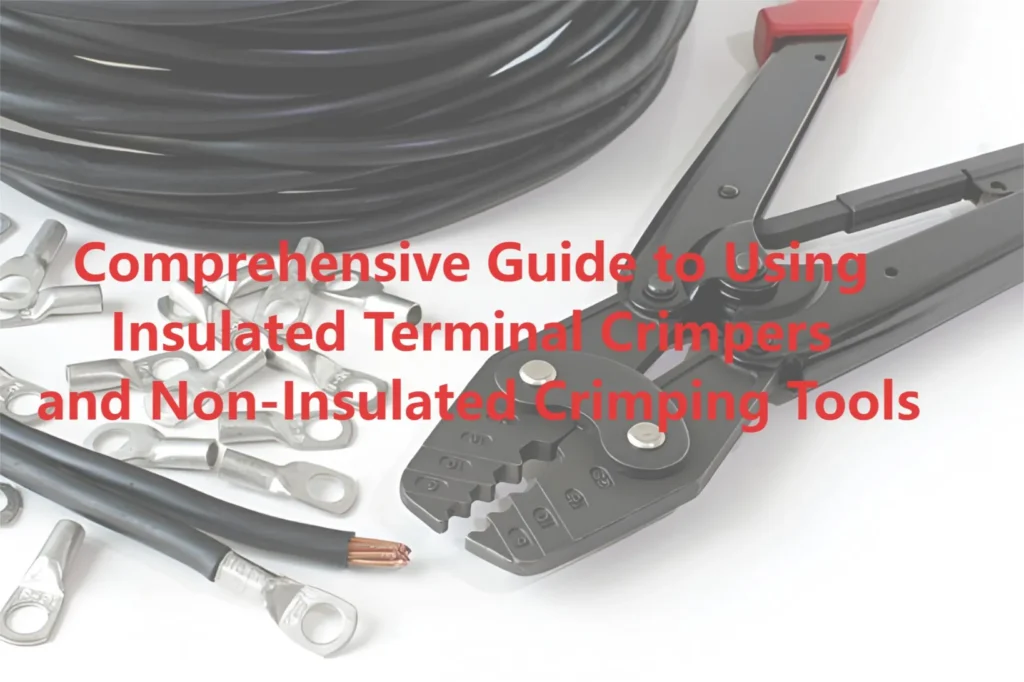
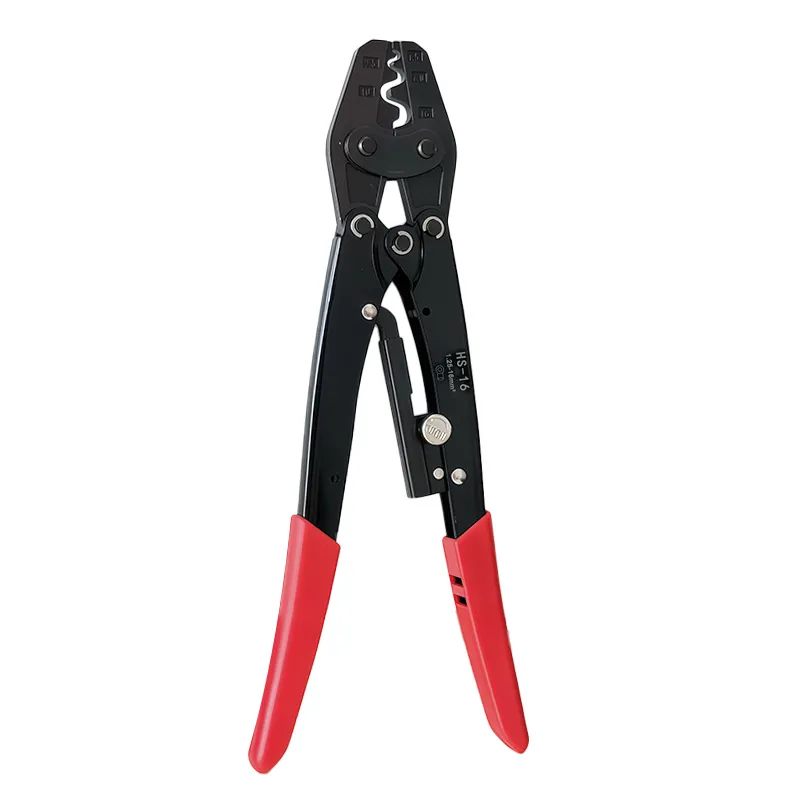
Crimping tools are essential in electrical installation and maintenance.
Using insulated terminal crimpers and non-insulated crimping tools correctly ensures reliable, durable electrical connections and improves work efficiency.
This guide details the step-by-step usage, practical tips, and safety considerations for both types of tools.
How to Use Insulated Terminal Crimpers
Selecting the Right Terminal and Wire Size Choose insulated terminals that perfectly match the wire gauge. Using mismatched sizes can lead to poor crimps and unsafe connections. The insulation on the terminal should match the wire’s insulation thickness to maintain protective covering after crimping.
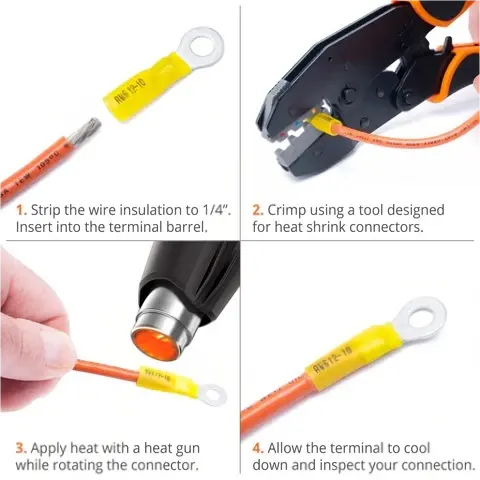
Stripping and Preparing the Wire Strip the wire insulation to slightly longer than the metal barrel length of the terminal, typically about 1-2 mm longer. Twist stranded wires tightly to prevent fraying and ensure the wire end is neat.
Inserting the Wire into the Terminal Fully insert the stripped wire into the terminal’s metal barrel so that no copper strands are exposed outside the barrel.
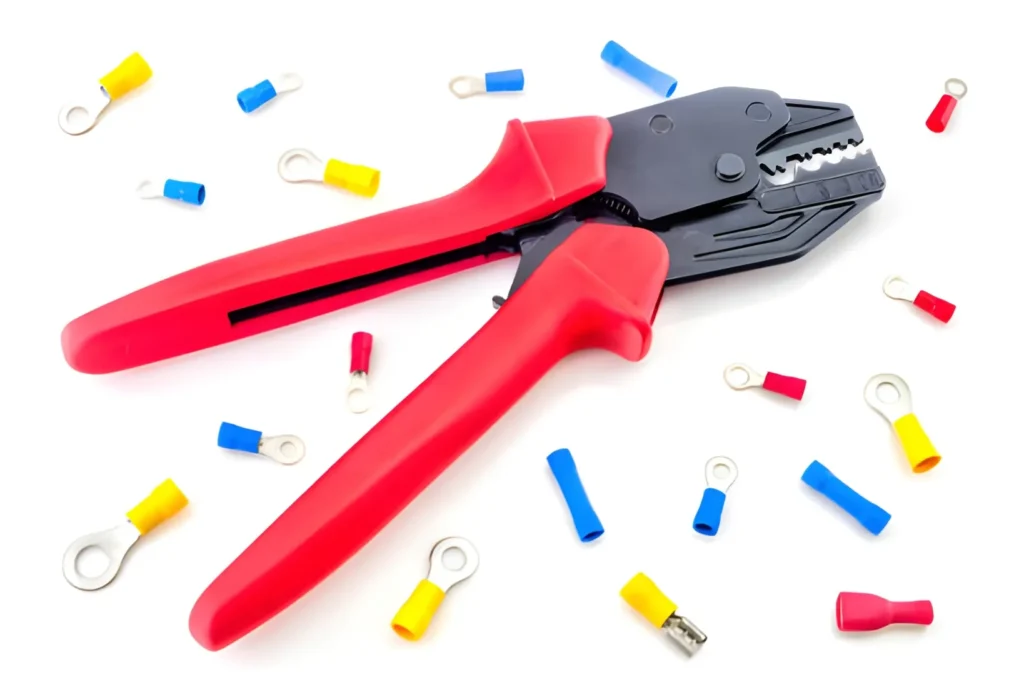
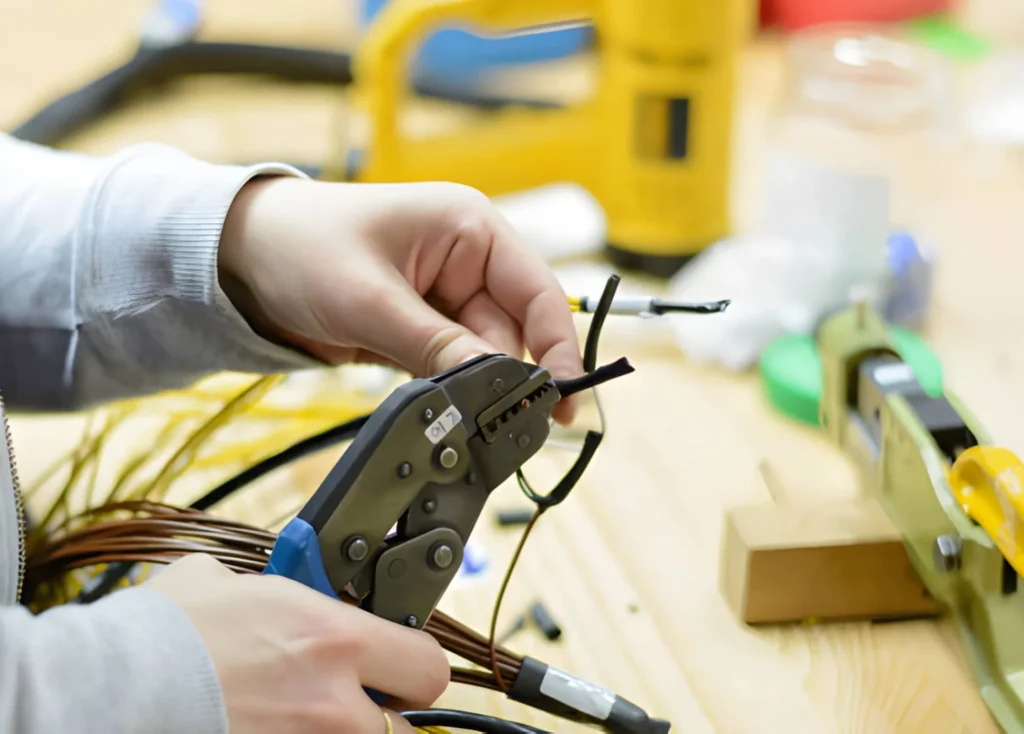
Crimping Procedure Use the insulated terminal crimper with a ratcheting mechanism for consistent pressure. Place the terminal correctly into the appropriate die slot (which is usually color-coded). Squeeze the handles firmly until the ratchet releases, signaling a complete crimp.
Inspecting the Crimp Check that the terminal is firmly attached without cracks or deformities, the wire does not pull out, and the insulation remains intact. Optionally, perform a pull test to verify mechanical strength.
Heat Shrinking (if applicable) Some insulated terminals come with built-in heat shrink tubing. Apply heat with a heat gun to shrink the tubing securely around the connection.
How to Use Non-Insulated Crimping Tools
Appropriate Terminal and Wire Selection Non-insulated terminals expose the metal conductor, therefore selecting the correct terminal size for the wire gauge is crucial to ensure good electrical contact.
Wire Preparation Strip the wire to the required length, taking care to avoid nicks or cuts in the copper wire. The wire must be clean and free from oxidation for optimal conductivity.
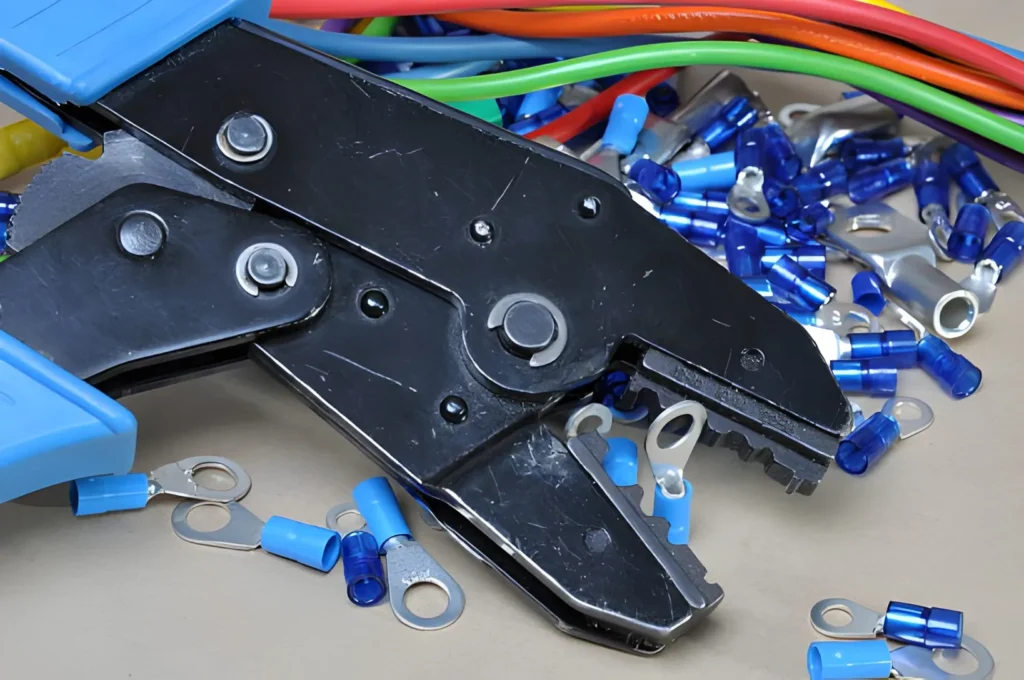
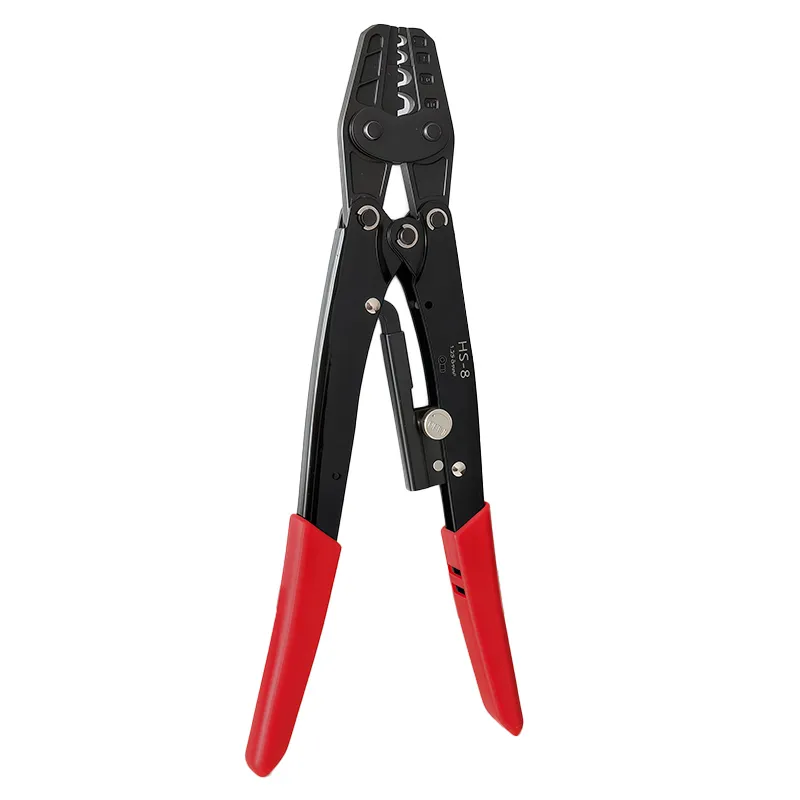
Insertion and Crimping Insert the prepared wire into the terminal barrel fully. Use the non-insulated crimping tool, often a ratcheting or mechanical type, applying even pressure to compress the terminal without damaging the wire strands.
Tool Maintenance and Usage Tips Check the crimping tool before use for cleanliness and wear. Properly maintain and lubricate moving parts to ensure consistent compression force. Avoid side loading or uneven pressure during crimping.
Quality Assurance After crimping, inspect for secure attachment and no exposed strands outside the barrel. Use electrical continuity tests if necessary to verify connection quality.
Key Operation Tips and Safety Measures
Regularly inspect and clean crimping tools, ensuring dies are not worn or damaged.
Always match tools, terminals, and wire sizes for best performance.
Follow manufacturer instructions for specific tool models since operating techniques may differ.
Use insulated gloves and work in a de-energized environment to avoid electrical hazards.
Conduct pull tests and visual inspection to confirm crimp quality.
Need Help Choosing the Right Crimping Tool?
Our detailed guides and premium “insulated terminal crimper” and “non insulated crimping tool” make choosing easy. Find the perfect tool for your project now!
Mastering the use of “insulated terminal crimper” and “non insulated crimping tool” improves the durability, safety, and reliability of electrical connections. Providing detailed tutorials to customers not only assists them in achieving optimal results but also strengthens your brand’s professional reputation in the export market.
For more detailed product information and operational guidance, please visit our website.
Frequently Asked Questions
What is the difference between an insulated terminal crimper and a non-insulated crimping tool?
“Insulated terminal crimper” is specifically designed to crimp terminals covered with insulating material, protecting the wire connection, while a “non insulated crimping tool” is used for terminals without insulation, focusing on tight metal-to-metal contact.
How do I know which crimper size fits my wire?
Match the crimper slot or die size to your wire gauge (AWG). Most crimpers come with labeled slots for different wire sizes to ensure a secure and reliable connection.
Can I use the same crimping tool for both insulated and non-insulated terminals?
It’s best to use tools designed for each type. Insulated terminal crimpers provide protection and precise pressure for insulated terminals, while non-insulated crimpers ensure a firm metal connection on bare terminals.
How do I check if my crimp is done correctly?
A good crimp should be tight and secure, with no exposed copper strands. The terminal should not move or pull off easily. Visual inspection and a pull test are common methods.
Are ratcheting crimpers better than manual crimping tools?
Ratcheting crimpers provide consistent pressure and release only when the crimp cycle is complete, ensuring uniform crimps and reducing errors compared to manual crimpers.
Have you ever struggled with loose wire connections or unreliable prototypes that fail just when you need them most? If so, you already understand why having the right Dupont crimp tool matters. This small but powerful hand tool ensures your electrical and electronic connections are secure, consistent, and professional — whether you’re prototyping a circuit, […]
Look inside any control panel, car, boat, or solar system and you will see one thing in common: a lot of wires. Every one of those wires needs a safe, solid connection. That is exactly where wire crimping pliers make a huge difference. For installers and technicians, the right crimping tool means fewer failures and faster jobs. For buyers and tool brands, it means fewer complaints, fewer returns, […]
A Hand Crimper Tool is an essential manual device used to securely attach connectors, terminals, or fittings onto wires and cables by compressing them together. This creates reliable electrical and mechanical connections necessary in a wide array of industries. Thanks to its portability, precision, and ease of use, the hand crimper remains a top choice for professionals […]
We use cookies to enhance your browsing experience, serve personalised ads or content, and analyse our traffic. By clicking "Accept All", you consent to our use of cookies.