Introduction to Heat Shrink Insulated Terminals Crimping
In demanding environments such as marine, automotive, and outdoor industrial installations, heat shrink insulated terminals crimping provides a higher level of protection than ordinary cold-press joints. When you combine a proper heat shrink insulated terminals crimping tool with quality connectors like the HS-40 ratchet crimper for heat shrink butt connectors, the result is a sealed, strain-relieved connection that resists moisture, vibration, and corrosion over the long term. Electricians who upgrade from basic vinyl-insulated terminals to heat shrink solutions quickly see fewer callbacks, less troubleshooting time, and more consistent test results on every circuit.
What Is Heat Shrink Insulated Terminals Crimping?
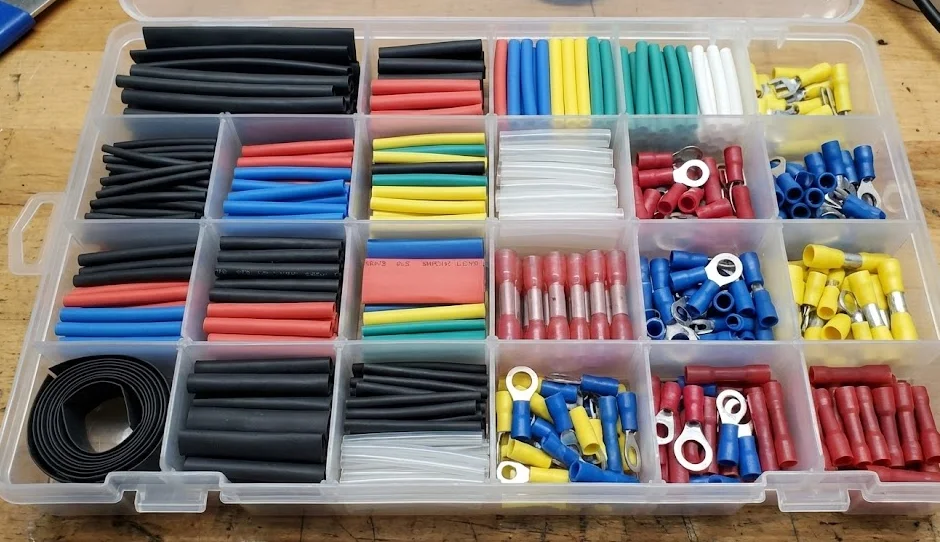
Heat shrink insulated terminals combine a metal crimp barrel with an outer layer of heat shrink tubing, often lined with adhesive. During heat shrink insulated terminals crimping, you first cold-crimp the barrel with a dedicated ratchet tool, then apply controlled heat so the tubing shrinks and the adhesive flows around the wire insulation and connector body. The final joint behaves like a fully encapsulated splice rather than a simple mechanical clamp.
From a practical standpoint, this process transforms a vulnerable open joint into a semi-hermetic connection. The adhesive-lined heat shrink seals out water, salt spray, dust, and chemical vapors, which is why heat shrink insulated terminals crimping is considered a near-automatic choice on boats, off-road vehicles, outdoor signage, and exposed sensor wiring. Where conventional cold-press terminals leave bare metal and gaps around the conductor, heat shrink styles intentionally eliminate crevices where moisture and contaminants could accumulate.
Why Heat Shrink Insulated Terminals Crimping Is Safer Than Cold Press
When comparing connection technologies, the most important metric is not installation speed but failure risk over years of service. This is where heat shrink insulated terminals crimping outperforms standard cold-press terminals in several ways.
First, the heat shrink adds a second mechanical lock around the insulation, so bending and pulling forces are absorbed by the tubing rather than the copper strands alone. Second, the continuous sleeve improves creepage and clearance distances between adjacent conductors, reducing the chance of arc-over or accidental shorts. Finally, heat shrink insulated terminals crimping usually leaves a translucent body, allowing technicians to visually confirm that the wire is fully inserted and that the crimp is centered on the barrel before shrinking.
Moisture Protection and Corrosion Control
Cold-press terminals typically leave the wire entry point exposed, which allows water to wick into the strands through capillary action. Over time, this leads to hidden corrosion beneath the insulation and unpredictable resistance changes at the crimp. By contrast, heat shrink insulated terminals crimping creates a sealed interface around the conductor, so moisture cannot easily migrate into the copper.
The adhesive lining inside many heat shrink connectors bonds tightly to both the connector body and the cable jacket. Once cooled, this adhesive forms a continuous barrier that blocks saltwater, condensation, and industrial vapors. For marine or coastal installations, this alone is often enough to justify choosing heat shrink insulated terminals crimping over any non-sealed alternative, even when the initial hardware cost is higher.
Vibration Resistance and Strain Relief
In vehicles and machinery, vibration can slowly fatigue conductors right at the edge of a stiff crimp barrel. Without additional strain relief, each movement of the cable flexes the same small area, eventually breaking strands and causing intermittent faults. When you apply proper heat shrink insulated terminals crimping, the recovered tubing grips a longer section of insulation, distributing bending stress over several centimeters instead of concentrating it at a sharp point.
This extended support is especially important on heavier conductors or where the wire is not perfectly strain-relieved with clamps or cable ties. Under repeated thermal cycles and mechanical shock, a heat shrink joint tends to stay electrically stable much longer than a simple cold-press terminal. Electricians working in harsh applications often report that once they switch to heat shrink insulated terminals crimping for critical circuits, nuisance faults caused by loose or cracked joints drop dramatically.
Heat Shrink Insulated Terminals Crimping vs Cold Press Workflows
A realistic evaluation must also look at workflow. At first glance, heat shrink insulated terminals crimping appears slower because it adds a heating step. However, the process also removes the need for separate heat shrink tubing, tape wrapping, or post-crimp sealing compounds that are commonly used with cold-press connectors in harsh environments.
In a cold-press workflow, an installer strips the wire, inserts it into a vinyl-insulated terminal, crimps, then often slides on additional tubing or tape to enhance protection. With heat shrink insulated terminals crimping, strip length, crimp, and heat are performed in a single continuous sequence on a pre-engineered connector that already matches the wire gauge and insulation diameter. This reduces the number of parts to track, simplifies training, and makes quality control easier, because each finished joint has a consistent appearance.
For repair work, heat shrink insulated terminals crimping also reduces the chance of forgetting a sealing step. Once the crimp is complete, the heat gun operation is obvious and hard to overlook, whereas extra tape or loose tubing can be skipped in a rush. Long term, that consistency translates into predictable inspection results and fewer surprise failures in the field.
Choosing the Right Tool for Heat Shrink Insulated Terminals Crimping
Selecting the correct crimper is as important as selecting the terminal. Not every insulated tool can handle heat shrink insulated terminals crimping without damaging the tubing. The dies must compress the metal barrel fully while avoiding sharp edges that could cut or puncture the heat shrink sleeve.
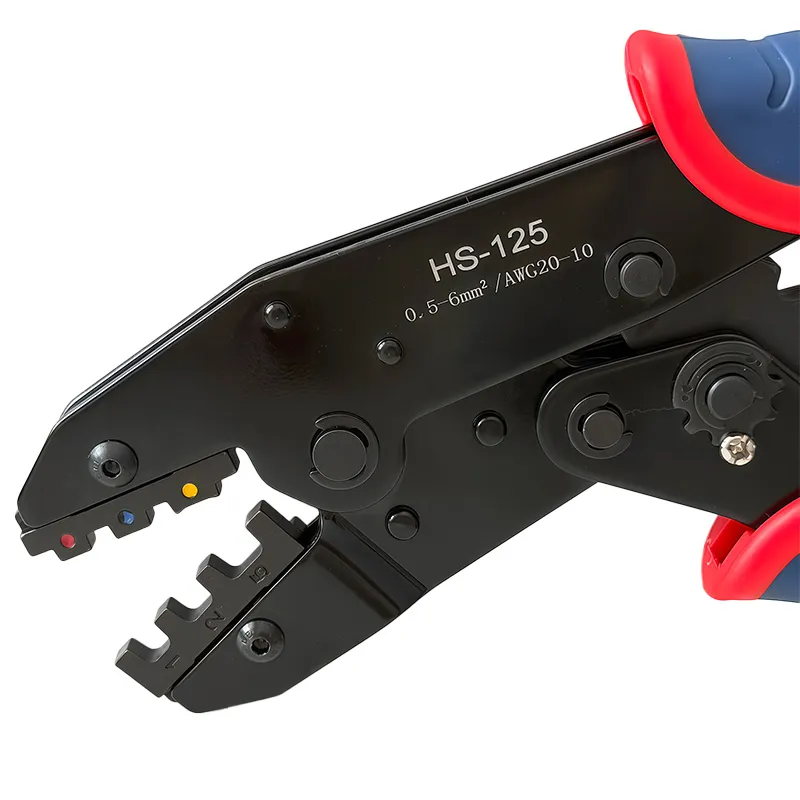
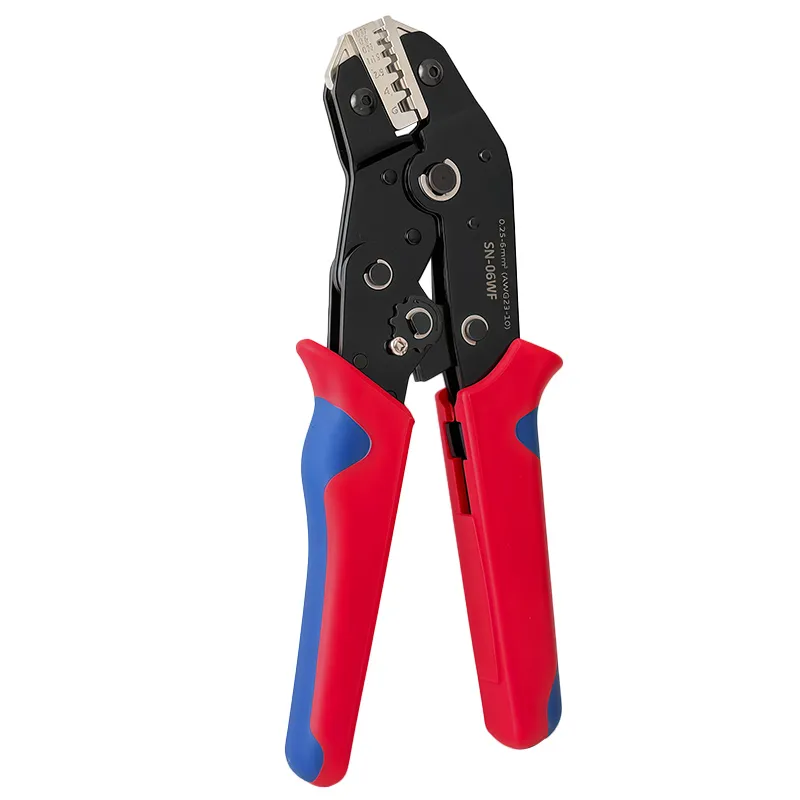
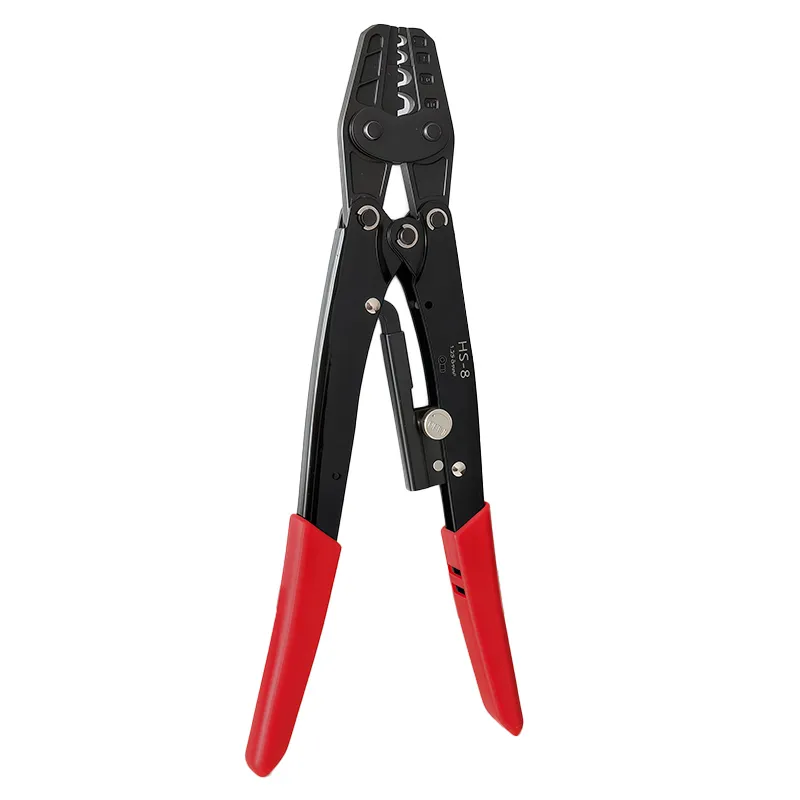
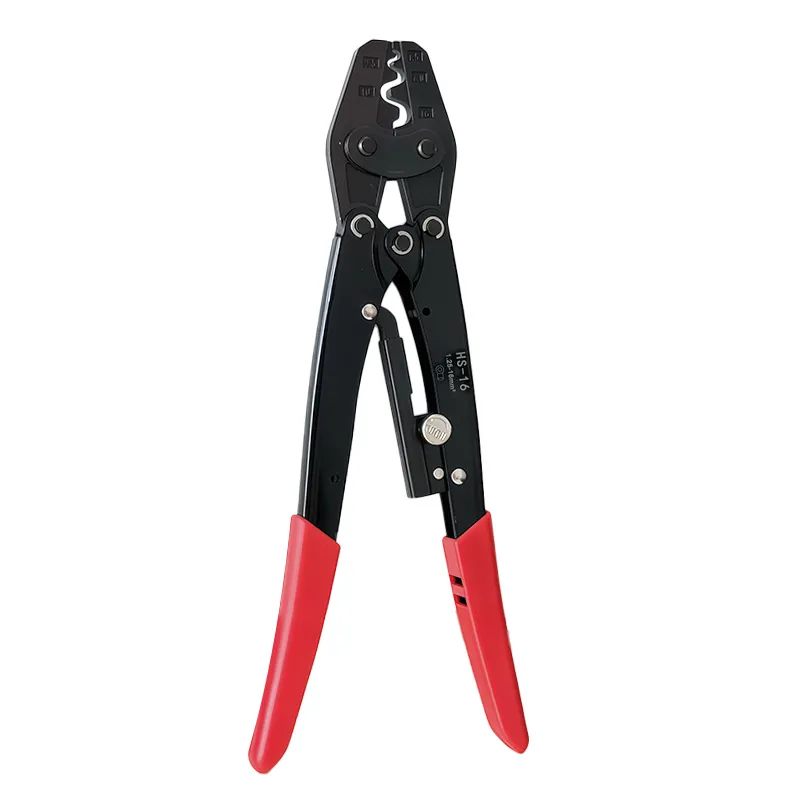
For butt connectors and ring terminals that use thick-wall heat shrink, a dedicated ratchet tool like the HS-40 is designed with smooth, semicircular dies that apply pressure directly over the barrel center. This ensures solid metal compression while allowing the tubing to recover cleanly when heated. For mixed work that includes both cold-press and heat-shrink insulated terminals crimping on similar wire gauges, a multi-purpose tool such as the HS-125 can cover a broad range from 0.25–6 mm² with carefully profiled dies.
When evaluating tools, look for:
Clearly marked gauge ranges that match the terminals you use.
Positive ratchet mechanisms that only release once the full crimp cycle is complete.
Ergonomic handles that reduce fatigue during repetitive heat shrink insulated terminals crimping.
Manufacturer recommendations that explicitly mention compatibility with heat shrink insulated terminals.
By aligning the terminal family, conductor size, and die geometry, you get repeatable results that pass pull-out tests and visual inspection on the first try.
Best Practices Checklist for Heat Shrink Insulated Terminals Crimping
To achieve consistent, professional results, follow this best practices checklist every time you perform heat shrink insulated terminals crimping:
Match Terminal to Wire Gauge Verify that the connector’s printed range (for example, 0.5–1.5 mm²) matches the conductor cross-section. Oversized barrels cannot be crimped securely, while undersized ones may cut or fold the strands.
Strip to the Correct Length Strip enough insulation so the copper strands fully fill the barrel, but not so much that bare copper extends beyond the end after crimping. Most heat shrink terminals specify an ideal strip length; staying within this window is crucial for sealing.
Use the Correct Die Cavity Select the die cavity that corresponds to the color code and size of the terminal. During heat shrink insulated terminals crimping, using the wrong cavity either crushes the tubing or leaves the barrel under-compressed.
Crimp Before Heat Always complete the mechanical crimp before applying heat. Trying to shrink the tubing first, then crimping, can cause uneven adhesive flow and poor electrical contact.
Apply Even Heat Move the heat gun slowly from the center of the connector toward each end until the tubing fully recovers and adhesive beads appear at the edges. Do not scorch the tubing or overheat the wire insulation.
Inspect Every Joint After cooling, confirm that the tubing is tight, there are no visible gaps, and the wire cannot be pulled out by hand. Good heat shrink insulated terminals crimping should produce a smooth, uniform joint with visible adhesive sealing the transitions.
Q1: Is heat shrink insulated terminals crimping always better than cold press?
A: Not always. For dry, vibration-free indoor panels where cost and speed are the main drivers, standard cold-press terminals can perform well. Heat shrink insulated terminals crimping becomes the clear winner in harsh environments, especially where moisture, salt, or constant vibration are present.
Q2: Can I use the same crimping tool for both heat shrink and standard insulated terminals?
A: Sometimes, but only if the manufacturer specifies compatibility. Many tools designed for generic insulated terminals can handle basic sleeves but may damage thicker heat shrink tubing. For best results, choose a ratchet tool that explicitly supports heat shrink insulated terminals crimping.
Q3: Do I still need extra heat shrink tubing if I use heat shrink insulated terminals?
A: Generally no. Properly sized and installed connectors provide both the electrical joint and the environmental seal. Additional tubing is usually unnecessary unless you need extended mechanical protection along a long unsupported cable section.
Q4: What happens if I crimp after shrinking the terminal?
A: Crimping after shrinking can crack the tubing, force adhesive out of the sealing zone, and produce an uneven electrical connection. Always complete the crimp first, then apply heat—this sequence is fundamental to correct heat shrink insulated terminals crimping.
Have you ever stood in front of a wiring project wondering whether a Dupont crimp tool or a JST crimp tool is the right choice for you? You are not alone. Many engineers, technicians, and sourcing managers face this exact question when working with low-voltage electronics, control panels, or industrial assemblies. Understanding the difference between […]
A Hand Crimper Tool is an essential manual device used to securely attach connectors, terminals, or fittings onto wires and cables by compressing them together. This creates reliable electrical and mechanical connections necessary in a wide array of industries. Thanks to its portability, precision, and ease of use, the hand crimper remains a top choice for professionals […]
If you want to join cables and connectors safely, you need to understand crimping first. Crimping joins connectors and cables by compressing metal parts together to create a secure, long-lasting electrical bond. In this guide, you will learn what crimping is and which type of crimping tools you need to get your job done. What […]
We use cookies to enhance your browsing experience, serve personalised ads or content, and analyse our traffic. By clicking "Accept All", you consent to our use of cookies.