Blog
Types of Crimping Tools Explained How to Choose the Best One
Discover the types of crimping tools including manual ratcheting hydraulic and specialized options for electrical automotive and networking needs.
Read More
When you’re working with wire connectors, knowing the difference between DuPont and JST connectors is essential. Both are common in electronics, but they serve slightly different purposes and require different crimping approaches.
| Specification | DuPont Connector | JST Connector |
|---|---|---|
| Pitch | 2.54mm (0.1 inch) | Typically 2.5mm (e.g., JST XH, PH series) |
| Terminal Type | Simple rectangular terminals | Precision terminals with insulation wings |
| Typical AWG Range | 22–28 AWG | 22–28 AWG |
| Common Applications | Prototyping, breadboards, DIY wiring | Compact, reliable wiring in devices and PCB connections |
DuPont connectors are widely used for breadboarding and low-volume prototyping because their terminals are easier to crimp even with basic DuPont connector crimping tools. This flexibility makes them forgiving if your crimping technique isn’t perfect. However, this ease comes with a trade-off: DuPont crimps often suffer from poor retention force, leading to unreliable connections in long-term or vibration-prone environments.
On the other hand, JST connectors demand a more precise crimp. Their terminals feature insulation wings, which wrap around the wire insulation to enhance mechanical strength. Only a proper JST crimping tool with contoured dies can reliably compress these wings for a durable crimp. Skimping on this often results in weak crimps or broken terminals. So while JST crimps take more care, they provide higher retention and electrical reliability—making them the preferred choice in commercial and compact wiring applications.
Understanding this basic difference helps you choose not just the right terminals but also the right crimping tool for the job. In upcoming sections, I’ll break down why DuPont crimpers are forgiving but prone to poor retention, while JST crimpers demand precision for the best results.
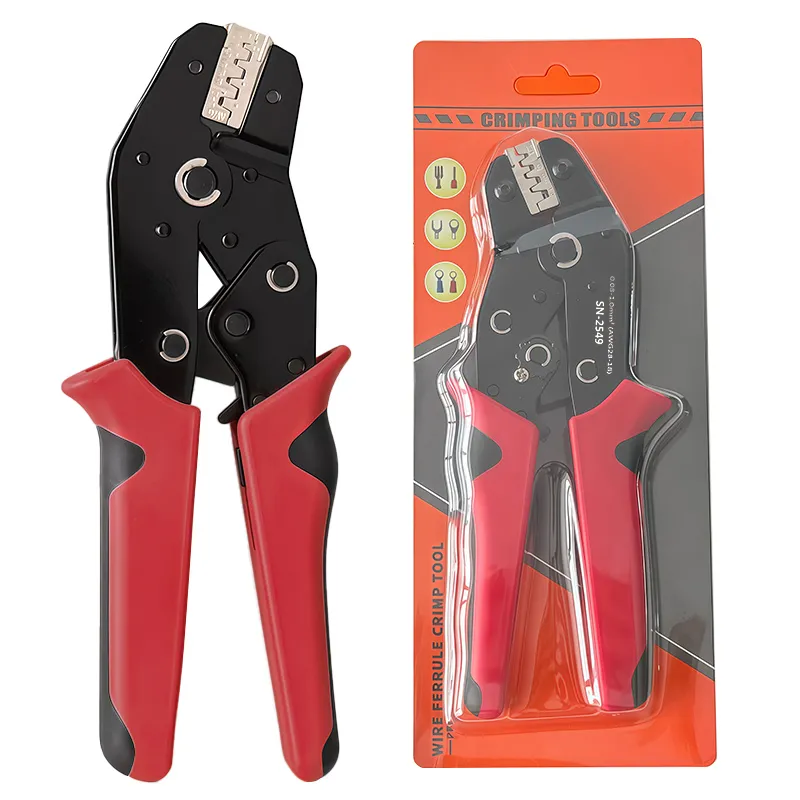
When comparing DuPont crimping tools vs JST crimping tools, the core differences come down to die design, crimp profile, and reliability when using the right—or wrong—tool.
| Feature | DuPont Crimpers | JST Crimpers |
|---|---|---|
| Die Design | Usually rectangular or open dies, simple shape | Contoured dies shaped to wrap insulation wings tightly |
| Crimp Profile | Focus on conductor crimping, less on insulation | Emphasizes both conductor and insulation wing crimps |
| Wire Retention | Forgiving, but prone to poor terminal grip if mis-crimped | Requires precision in crimping insulation wings for secure hold |
| Common Issues With Wrong Tool | Loose crimps, terminal movement, intermittent connection | Damaged terminals, weak retention, broken insulation wings |
DuPont connectors are more lenient, but that means poor crimps often show up as loose connections or weak pull strength. JST connectors demand tight, clean crimps on the insulation wings to prevent terminal pull-out, so their tools have stepped or contoured dies for this exact purpose.
Many crimpers on the market advertise compatibility with both DuPont and JST connectors, but results can vary:
Using the wrong tool means risking terminal damage or unreliable connections, so choosing the correct crimper for your connector type is essential.
For a deeper dive into how these tools differ and selecting the right one, take a look at the detailed comparison of Dupont and JST crimp tools.
| Model | Best For | AWG Range | Strengths | Weaknesses | User Feedback |
|---|---|---|---|---|---|
| SN-28B | DuPont / JST* | 28-20 AWG | Affordable, ratchet mechanism, decent precision | Slight learning curve for JST insulation wings | Reliable for DuPont, mixed JST results |
| SN-01BM | DuPont | 30-22 AWG | Lightweight, good grip, excellent for 2.54mm DuPont | Not ideal for JST’s insulation crimping | Loved by hobbyists for DuPont crimps |
| IWISS CT-358 | Both | 32-20 AWG | Multi-functional, contoured dies, ratchet lock | Bulkier than others, higher price | Praised for consistent crimps on both connector types |
| JST PH Crimper | JST | 28-22 AWG | Precise wing crimping, professional finish | Limited to JST terminals, pricey | Highly rated for official JST style crimps |
| JiaPaiMi Wire Crimping Tool | Both | 28-22 AWG | Ergonomic, precise dies, ratchet mechanism | Slightly expensive | Stands out as a versatile tool with strong pull tests on both DuPont and JST connectors |
*Note: Many tools claim to handle both DuPont and JST crimps, but results can vary significantly, especially on JST connectors that require precise insulation wing crimps.
User Insights:
For deeper insights into reliable wire crimping tools, check out our detailed electronic wire crimper comparison to help pick the best tool for your needs.
Choosing the right crimper depends on what connectors you use most, your budget, and how reliable your crimps need to be. Here’s a quick decision guide to help you pick the best DuPont crimping tool or JST crimping tool — or a reliable option for both.
| Use Case | Best Tool Options | Notes |
|---|---|---|
| Primarily DuPont | SN-28B, JiaPaiMi DuPont Crimper | Budget-friendly, forgiving on crimps |
| SN-68B Ratchet Crimper | Good for volume, consistent pressure | |
| IWISS Dupont Tool | Good balance, ergonomic | |
| Primarily JST | JiaPaiMi JST Crimping Tool | Precise wing crimps, higher reliability |
| SN-01BM Contoured Die Crimper | Designed for JST PH/XH connectors | |
| IWISS JST-specific Tool | Tight crimps, less strain on conductors | |
| Mixed Use (DuPont + JST) | JiaPaiMi Multi-Connector Tool | Handles both with ratchet and precision |
| IWISS Multi-Die Crimpers | Varying dies, decent for both connectors | |
| Affordable combo crimpers | Check reviews carefully for reliability |
If you want a single tool to cover both connector types, the JiaPaiMi wire crimping tool stands out for its precision dies and ratchet mechanism, offering dependable results on both DuPont and JST connectors.
For detailed help choosing your wire crimping tool, check this wire crimping tools decision guide. It walks through budget and use case considerations to find the best fit for your projects.
Choosing the right crimper is key for solid, reliable terminals on both DuPont and JST connectors. Here are our top picks across different budgets and needs, including the standout JiaPaiMi wire crimping tool, known for its multi-purpose use and consistent performance.
| Category | Model | Best For | AWG Range | Key Features |
|---|---|---|---|---|
| Budget | SN-28B | DuPont | 22-30 AWG | Affordable, widely recommended for 2.54mm pins |
| Mid-Range | IWISS SN-01BM | DuPont & JST (PH, XH) | 22-26 AWG | Precision dies, decent quality for mixed use |
| Premium | JiaPaiMi Electronic Wire Crimping Tool | DuPont & JST | 20-28 AWG | Ratchet mechanism, ergonomic grip, precision dies |
JiaPaiMi Wire Crimping Tool stands out because it’s designed for precision across connector types—both DuPont and JST. Its contoured dies ensure proper conductor and insulation wing crimps, which leads to excellent pull-test strength. The ratchet lock helps avoid under or over-crimping, making it user-friendly even for beginners. Plus, the ergonomic handles reduce hand fatigue during longer crimping sessions.
If you want a credible mid-tier option, the IWISS SN-01BM handles both connector types well, but it doesn’t match the consistency of JiaPaiMi’s ratchet system.
For budget-conscious users focused on DuPont-style connectors, the SN-28B remains a solid choice — especially for prototyping and breadboarding tasks.
Ultimately, the JiaPaiMi electronic wire crimping tool offers the best all-round combination of precision, ease of use, and durability for serious hobbyists and pros alike working with both DuPont and JST connectors.
For consistent results, consider using a reliable electronic wire crimper tool that fits your connector type perfectly. Many reliable options and tips for using crimping pliers effectively are covered in our complete crimping pliers guide.
Proper crimp technique is key to durable wiring—take your time prepping wires and verify each crimp to avoid headaches down the road.
Getting professional-grade crimps isn’t just about having the right DuPont crimper or JST crimping tool—it starts before you even squeeze the handles. Here are some simple but crucial tips to keep your crimps reliable every time.
Following these tips combined with the right DuPont and JST connector crimping tools will ensure clean, reliable crimps that hold strong under real-world conditions.
Discover the types of crimping tools including manual ratcheting hydraulic and specialized options for electrical automotive and networking needs.
Read More
Discover the best Dupont crimper 2.54mm for precise DIY electronics with ratcheting mechanism and versatile AWG 18-28 wire compatibility.
Read More
Crimping is a widely used method for joining electrical wires to connectors or splicing wires without soldering. How to crimp wires is a commonly used method, It’s a simple technique that ensures a solid connection, whether you’re linking two wires or attaching a wire to a connector. The strength of the connection depends on how […]
Read More