Have you ever struggled with loose wire connections or unreliable prototypes that fail just when you need them most?
If so, you already understand why having the right Dupont crimp tool matters. This small but powerful hand tool ensures your electrical and electronic connections are secure, consistent, and professional — whether you’re prototyping a circuit, working in a production line, or assembling a custom harness.
In this guide, we’ll explore what makes Dupont crimp tools so popular, how to choose the right one, and what features you should look for to make every crimp count.
What Is a Dupont Crimp Tool?
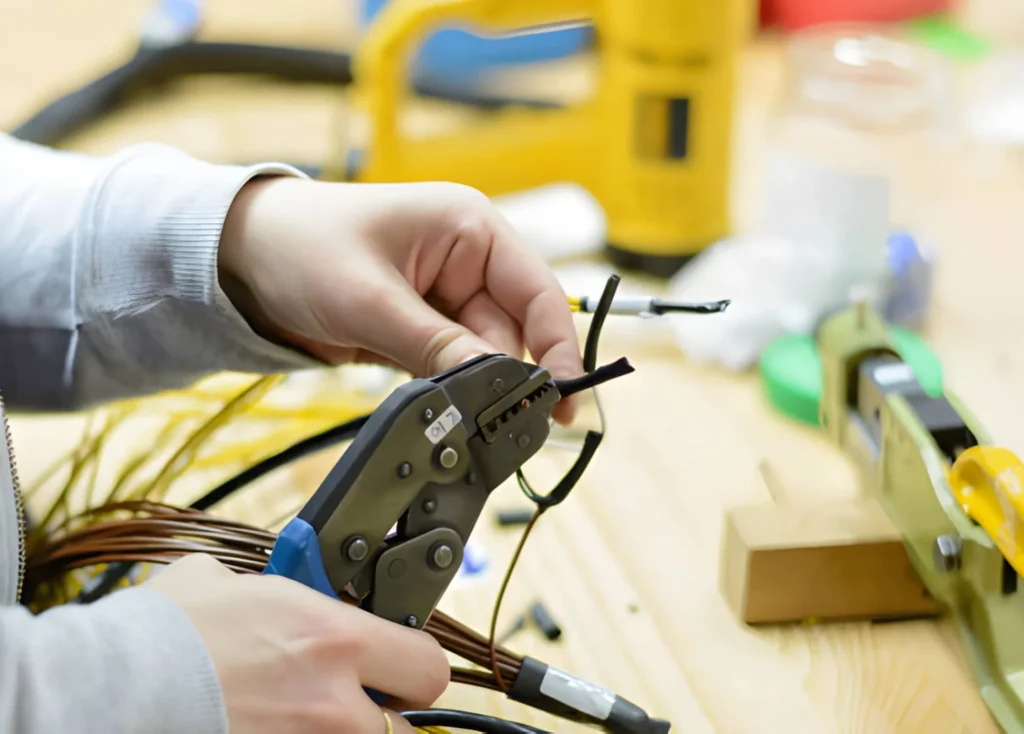
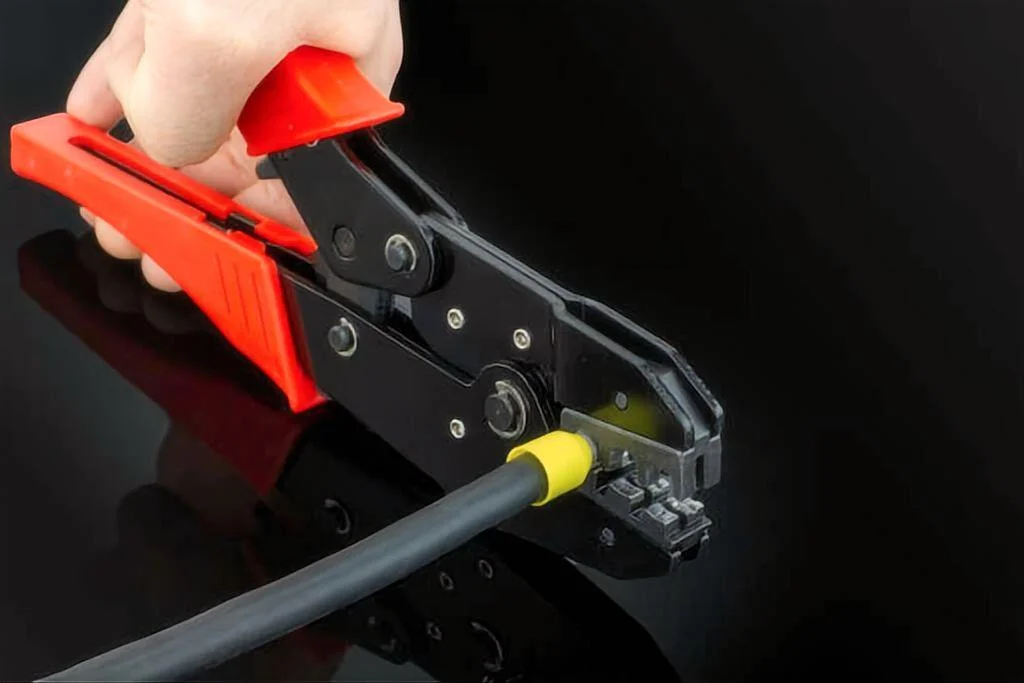
A Dupont crimp tool is a handheld precision instrument used to attach crimp terminals onto the ends of wires, creating a reliable electrical connection compatible with Dupont-style connectors — the kind you often see in Arduino projects, RC electronics, and industrial control systems.
It works by pressing metal contacts (terminals) tightly around both the wire conductor and insulation. The result is a clean, consistent crimp that won’t loosen over time — critical for applications where vibration, heat, or movement are common.
When you’re building or maintaining electrical connections, precision isn’t optional — it’s the difference between a stable signal and a costly failure. A quality Dupont crimp tool eliminates guesswork and improves workflow efficiency by producing uniform crimps every single time.
Here’s why that matters:
Consistency: Uniform crimps mean predictable and safe connectivity.
Durability: Properly crimped terminals resist pulling, vibrations, and corrosion.
Speed: Automated or ratcheting designs shorten the time required per terminal.
Professional Finish: Clean crimps look neater and fit securely into housings.
In industries where wiring harnesses or sensor arrays are assembled in volume — from automotive manufacturing to embedded system design — Dupont crimp tools are indispensable.
Types of Dupont Crimp Tools
Not all crimpers are created equal. The right choice depends on your wire gauge, production scale, and precision needs. Let’s break down the main types:
1. Manual Crimp Tools
Perfect for small batches or hobby projects, manual tools provide tactile feedback. They often feature adjustable dies and are cost-effective.
2. Ratcheting Dupont Crimp Tools
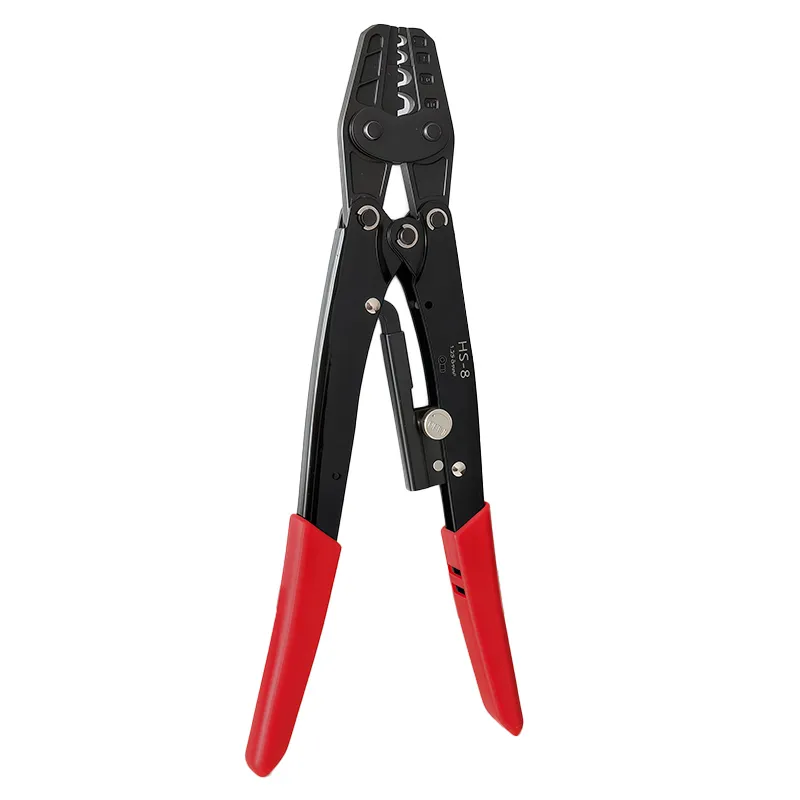
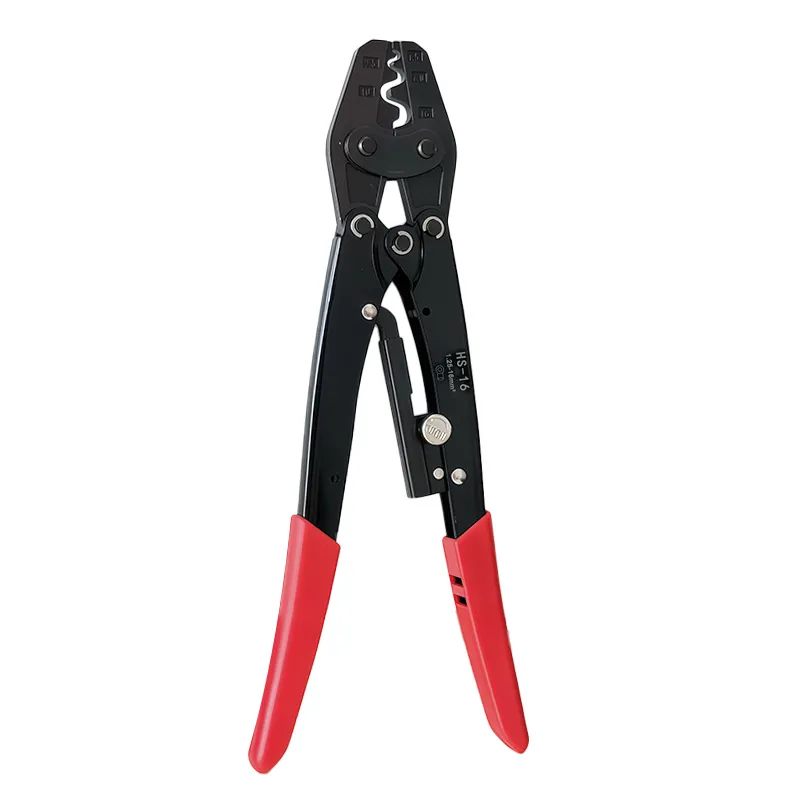
These tools hold the wire in place until a complete crimp cycle is achieved — no partial crimps, no slippage. They’re ideal for moderate production or repair work where repeatability is key.
3. Automatic or Pneumatic Crimp Tools
When speed and volume matter, automation is the answer. Industrial teams rely on pneumatic or electric crimping stations to achieve consistent results across thousands of crimps.
Type
Productivity
Precision
Typical Use
Manual
Low
Medium
Prototyping
Ratcheting
Medium
High
Small-scale production
Automatic
High
Very high
Mass assembly lines
How to Choose the Right Dupont Crimp Tool
Selecting the right tool depends on a few practical factors. Ask yourself:
What wire sizes do you use most often? Ensure the tool supports your wire gauge range.
How frequently will you crimp? If it’s daily or high-volume work, choose a ratcheting or powered model.
What environment are you working in? Industrial applications demand hardened steel and ergonomic, slip-resistant handles.
Do you need interchangeable dies? Some tools allow quick switches between Dupont, JST, or Molex connectors.
Investing in a quality tool pays off quickly. Miscrimps waste time, materials, and credibility — especially in B2B production settings.
Key Features to Look For
When reviewing options for your next Dupont crimp tool, keep an eye out for these standout features:
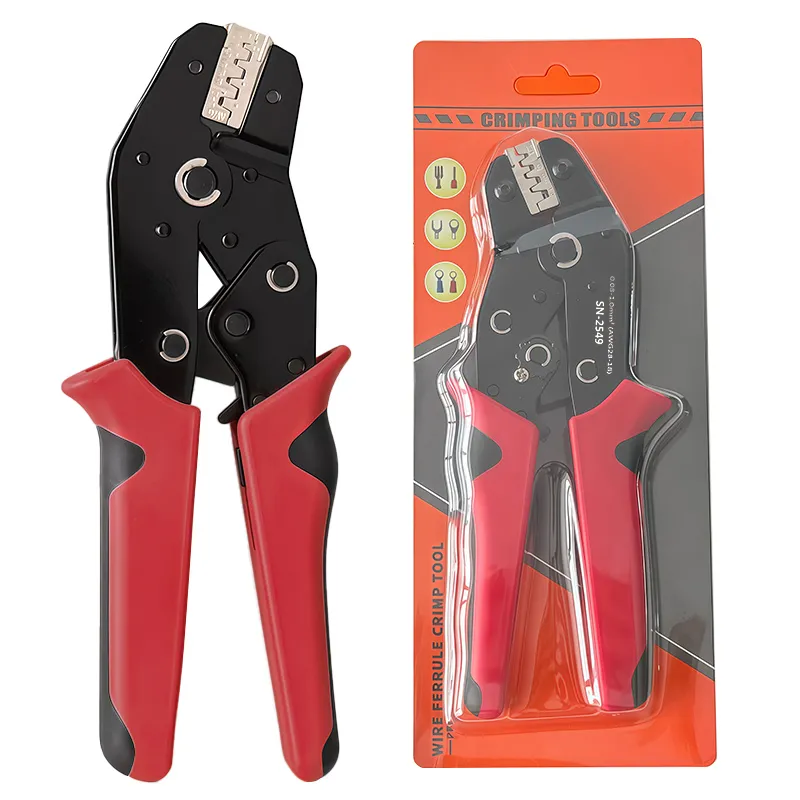
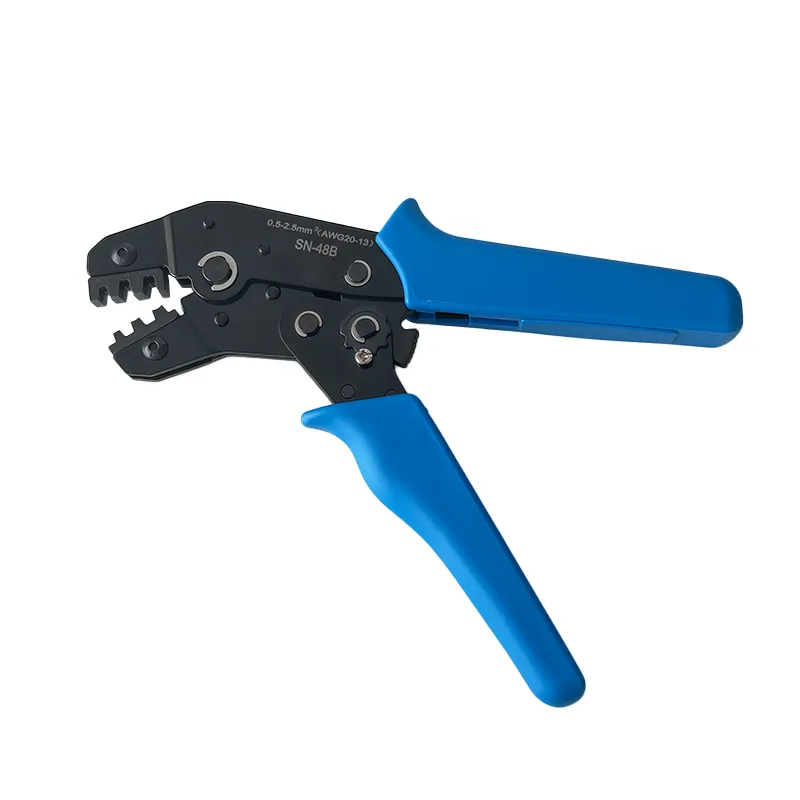
Ratcheting mechanism for consistent pressure.
Adjustable crimping force to support different wire types.
Interchangeable die sets for multiple connector series.
Comfort-grip handles to reduce fatigue during repetitive work.
High-carbon steel construction for durability and long-term accuracy.
These design details make a huge difference in operational efficiency and product reliability.
Common Applications in Industry
Dupont crimp tools aren’t just for electronics enthusiasts — they’re used widely across professional and industrial settings:
Automation and robotics wiring. Dupont connectors link sensors, controllers, and actuators.
PCB prototyping and assembly. Quick connection and testing in R&D labs.
Automotive harnesses. Economical yet reliable connections for signal and low-voltage circuits.
Aerospace electronics. Lightweight wire terminations where reliability is mission-critical.
When every connection must count, a Dupont crimping tool saves both time and headaches.
Maintenance and Best Practices
A precision tool deserves proper care. To keep your crimp tool working flawlessly:
Clean the jaws regularly to remove wire residues.
Lightly oil the pivot points to prevent rust.
Store in a dry, dust-free environment.
Calibrate periodically if used in production settings.
Following these habits extends tool life and ensures every crimp stays strong and reliable.
Choosing a Trusted Supplier
When sourcing a Dupont crimp tool, look for suppliers offering:
Clear specification sheets and compatibility lists.
After-sales support and calibration services.
Genuine replacement parts or die sets.
If you’re unsure which model suits your operation, contact our technical team for tailored guidance or to request a quote — we’ll help match you with the right Dupont crimp solution for your setup.
Conclusion
The Dupont crimp tool may look simple, but it plays a major role in ensuring every connection in your project or production line is reliable, repeatable, and professional. From hobbyists to industrial technicians, having a well-calibrated, ergonomic crimping tool makes wiring cleaner and faster — and prevents costly rework later on.
If you’re ready to improve your connection quality, start by selecting a Dupont crimp tool that fits your wire gauge, volume, and comfort needs — and don’t hesitate to reach out for expert support when comparing options. Quality tools produce quality work, every single time.
FAQ
What is the difference between a Dupont and JST crimp tool?
Dupont crimp tools are designed for rectangular plastic housings with flat-pin connectors, while JST tools target smaller, tighter terminal fits used in compact electronics.
Can I use one crimp tool for all connectors?
Some interchangeable tools allow it, but for best results, use specific dies for each connector type to ensure consistent crimps.
What wire gauges work best with Dupont terminals?
Typically, between AWG 18 and AWG 30, depending on the connector and crimp cavity depth.
Why do my crimps sometimes fail a pull test?
Most likely, it’s incorrect terminal alignment or insufficient crimping pressure. Adjust your die and verify proper wire stripping length.
Are Dupont connectors suitable for high-current applications?
No. They’re intended for low-voltage logic signals, not high-current power circuits. For power, use Molex or Anderson connectors instead.
Whether you’re a professional electrician, plumber, or a DIY enthusiast, understanding crimper tool is important. Here, we’ve gathered common questions about crimping tools, along with insights and tips from JiaPaiMi. 1.What is a Crimpier Tool, and How Does it Work? A crimper tool, like the CV Boot Clamp Crimping Pliers, is used to connect a […]
Discover the key differences between dupont crimper and jst crimper tools plus expert tips for choosing the best crimper for reliable electronic connections
Ever had a crimp pull apart just when you thought the job was done? That sinking feeling usually means one thing: the wrong tool, or the right tool used the wrong way. That is where a Ratchet Crimping Tool changes the game. A Ratchet Crimping Tool gives you consistent, repeatable crimps with less effort and less guesswork. Whether you […]
We use cookies to enhance your browsing experience, serve personalised ads or content, and analyse our traffic. By clicking "Accept All", you consent to our use of cookies.