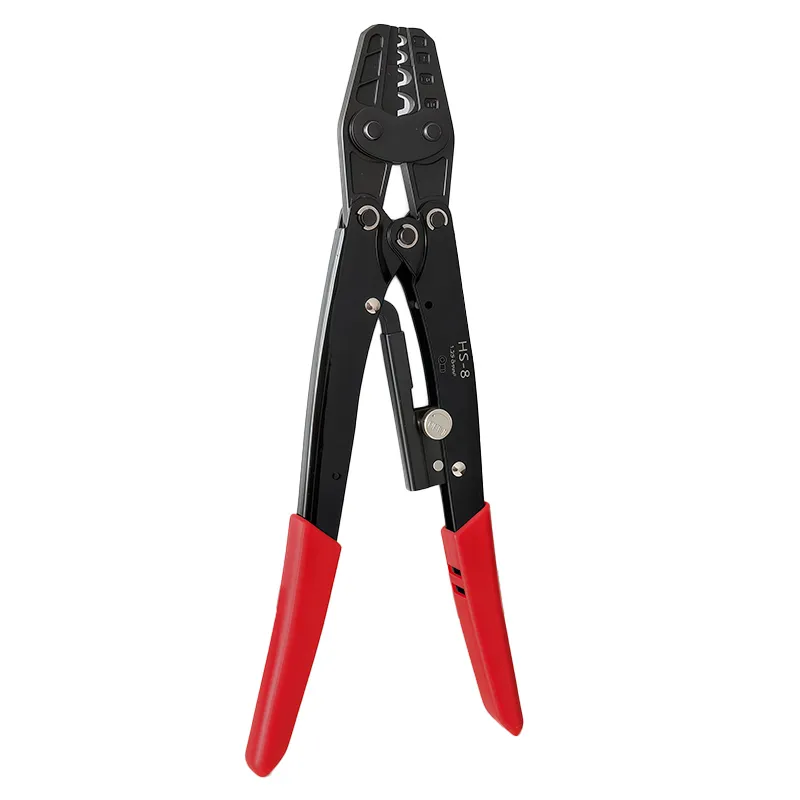
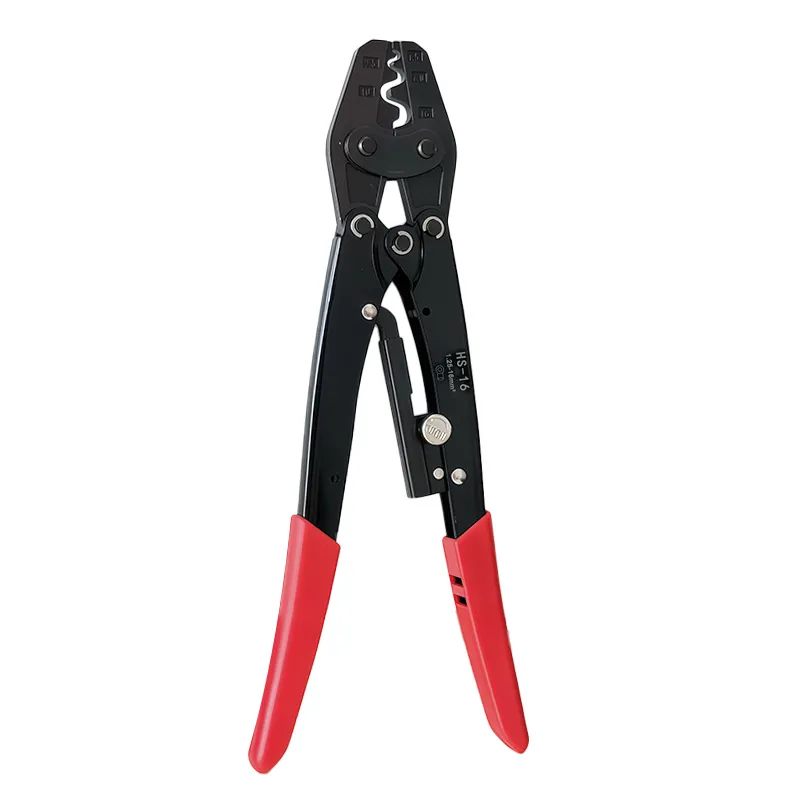
Blog
DuPont Crimper vs JST Crimper Comparison Best Tools for Reliable Crimps
Discover the key differences between dupont crimper and jst crimper tools plus expert tips for choosing the best crimper for reliable electronic connections
Read More
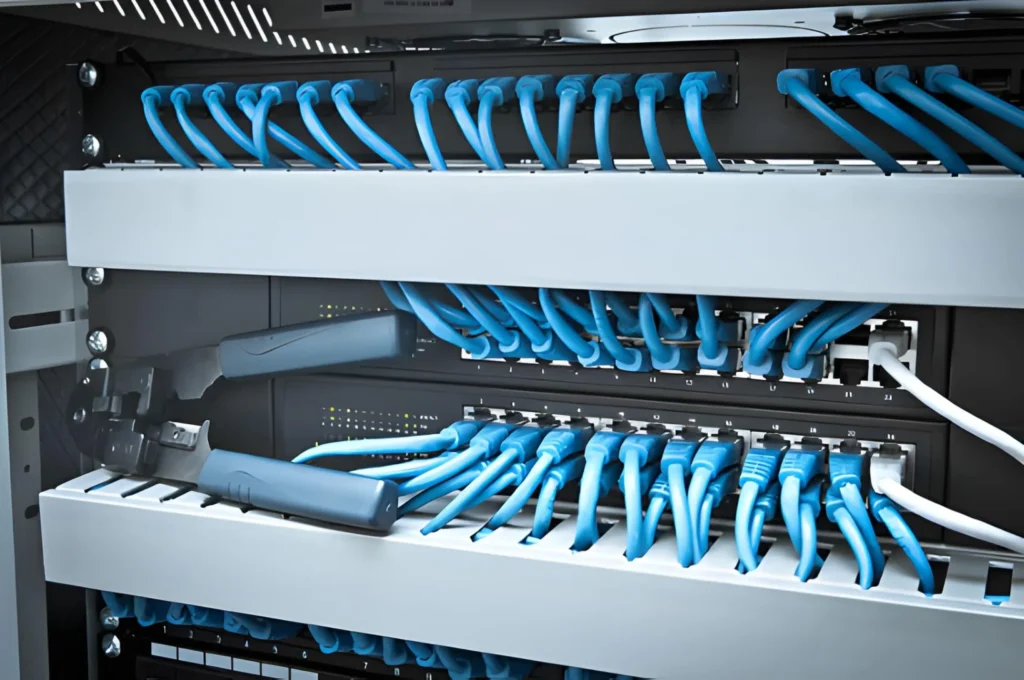
When you work with wires every day, one small mistake can cause a big problem. Loose joints, overheated cables, or a connection that fails right when the job is finished—no one wants that. That is exactly why electrical crimping pliers are such an important tool in any electrician’s kit. Used well, they give you strong, clean, and reliable connections that last.
This guide walks you through what electrical crimping pliers are, how they work, how to choose them, and how to use them safely. Whether you are a professional electrician, a DIY user, or a buyer sourcing tools in bulk, this article will help you understand these tools and make better purchase decisions.
Electrical crimping pliers are hand tools used to join a wire and a connector by pressing them together. Instead of soldering, you use pressure. The tool squeezes a metal terminal around a stripped wire so they become one solid piece.
A good pair of electrical crimping pliers does three things at once:
You often use them with insulated terminals, non‑insulated terminals, cable lugs, ferrules, and other electrical connectors. Many modern designs, such as ratchet crimping pliers and multifunctional crimping tools, are made to save time and reduce hand fatigue.
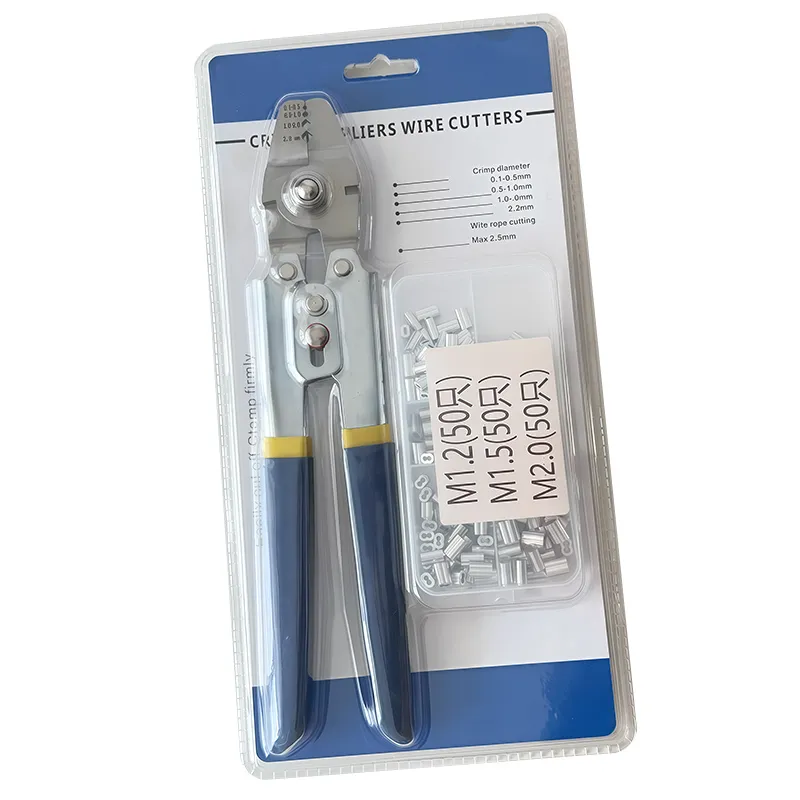
You might think all crimping tools are the same. After all, they just squeeze metal, right? Not quite.
Poor quality tools or bad crimps can lead to:
On the other hand, high‑quality electrical crimping pliers give you:
This is especially important for automotive wiring, industrial control panels, and household electrical installations, where failure is not an option. If you are buying for a team or for resale, good tools also mean fewer complaints and returns.
And if you are looking for a reliable supplier of electrical crimping pliers in bulk, you can always send an inquiry and get a quote tailored to your needs.
There is no single “best” tool for every job. Different tasks call for different types of electrical crimping pliers. Here are some of the most common types you will see in the market.
| Type | Best for | Key features |
|---|---|---|
| Ratchet crimping pliers | Frequent professional use | Ratchet mechanism, uniform pressure |
| Insulated terminal crimper | Red / blue / yellow insulated terminals | Color‑coded die, quick terminal matching |
| Ferrule crimping tool | End sleeves on flexible wires | Hexagonal or square crimp profile |
| Heavy‑duty cable lug crimper | Large power cables | Higher force, often longer handles |
| Multifunction crimping pliers | DIY and general maintenance | Strip, cut, and crimp in one tool |
Many users prefer ratchet crimping pliers because they will not release until the crimp is fully completed. This helps avoid “half‑crimps” and improves quality. For panel building or control cabinets, a ferrule crimping tool is often the standard choice to tidy up stranded wires.
When comparing different electrical crimping pliers, look at the crimp range (for example 0.25–6 mm20.25\text{–}6 \,\text{mm}^20.25–6mm2), the type of terminals they support, and how comfortable the handles feel in real use.
Choosing electrical crimping pliers is a bit like choosing shoes: the best pair depends on where you are going and what you are doing. Here are the main points to consider:
3.Ratchet or non‑ratchet
Ratchet electrical crimping pliers apply even pressure and only release after a full crimp. They are safer for new users and faster for repetitive work. Non‑ratchet models are cheaper but rely more on the operator’s feel.
4.Ergonomics and build quality
Look for soft‑grip handles, balanced weight, and solid construction. If a tool feels rough or loose in your hand, it will not perform well after months of use.
5.Volume and budget
If you crimp thousands of terminals per month, investing in higher‑end ratchet tools, or even semi‑automatic crimping machines, will pay off quickly. If you are sourcing tools for resale, offer a range—from entry‑level electrical crimping pliers to professional‑grade models—to cover different customer groups.
If you are unsure which model fits your application, share your wire sizes, connector types, and expected usage, and a supplier can recommend suitable electrical crimping pliers and matching terminals.
Using electrical crimping pliers is simple, but there is a right way and a wrong way. Here is an easy step‑by‑step process you can share with new technicians:
If you follow these steps, your electrical crimping pliers will give you reliable, professional‑grade joints even on small, flexible wires.
Good tools last longer when you take care of them. Here are a few simple tips:
Safe crimping is not only about the tool, but also about correct wire preparation and proper selection of terminals.
Reliable electrical connections start with the right tools and the right technique. With the right pair of electrical crimping pliers, you can make tidy, safe, and durable joints that stand up to heat, vibration, and time.
And if you are planning your next purchase or setting up a product line, now you know exactly what to look for—and what to avoid—when choosing electrical crimping pliers.
Not really. One general‑purpose tool can handle basic tasks, but for high‑volume or special work (like ferrules, heavy lugs, or automotive connectors), dedicated crimpers are better. Many professionals keep at least two or three different crimping tools in their kit.
A wire stripper removes insulation from the wire. A crimping tool presses the terminal onto the stripped wire. Some electrical crimping pliers combine both functions, but the jobs are still different.
Yes, in most professional settings they are. The ratchet makes sure the crimp is fully completed before the tool opens, which gives more consistent results. This is very useful in automotive electrical work and control panel assembly.
Visually, the terminal should be well formed, without cracks or sharp edges. Mechanically, you should not be able to pull the wire out by hand. In critical applications, some users also perform pull‑test checks on sample crimps.
Yes, but only if the terminals and the crimping profile are designed for aluminum conductors. Always follow the connector manufacturer’s instructions to avoid corrosion or loose joints.
Many manufacturers offer OEM and customized handles, colors, and packaging for electrical crimping pliers, especially for distributors and tool brands. If you need custom branding or large‑volume supply, send an inquiry with your specifications and target quantity to get a detailed quotation.
Discover the key differences between dupont crimper and jst crimper tools plus expert tips for choosing the best crimper for reliable electronic connections
Read More
Whether you’re a professional electrician, plumber, or a DIY enthusiast, understanding crimper tool is important. Here, we’ve gathered common questions about crimping tools, along with insights and tips from JiaPaiMi. 1.What is a Crimpier Tool, and How Does it Work? A crimper tool, like the CV Boot Clamp Crimping Pliers, is used to connect a […]
Read More
Discover the best ratcheting crimping tool with adjustable force ergonomic design and durable steel for precise insulated and heat shrink connector crimps.
Read More