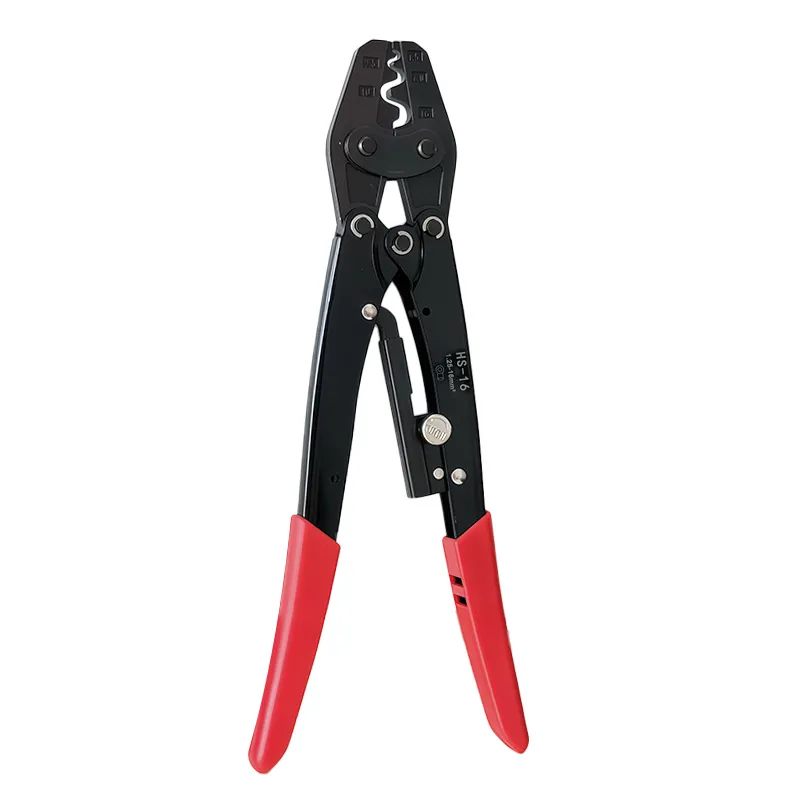
If you plan to connect cables and connectors, understanding crimping is essential.
But how exactly do you crimp, and which tool should you use?
This post explains what crimping involves and guides you on choosing the right tool for the job.
What is Crimping and How Does a Wire Crimping Tool Work?
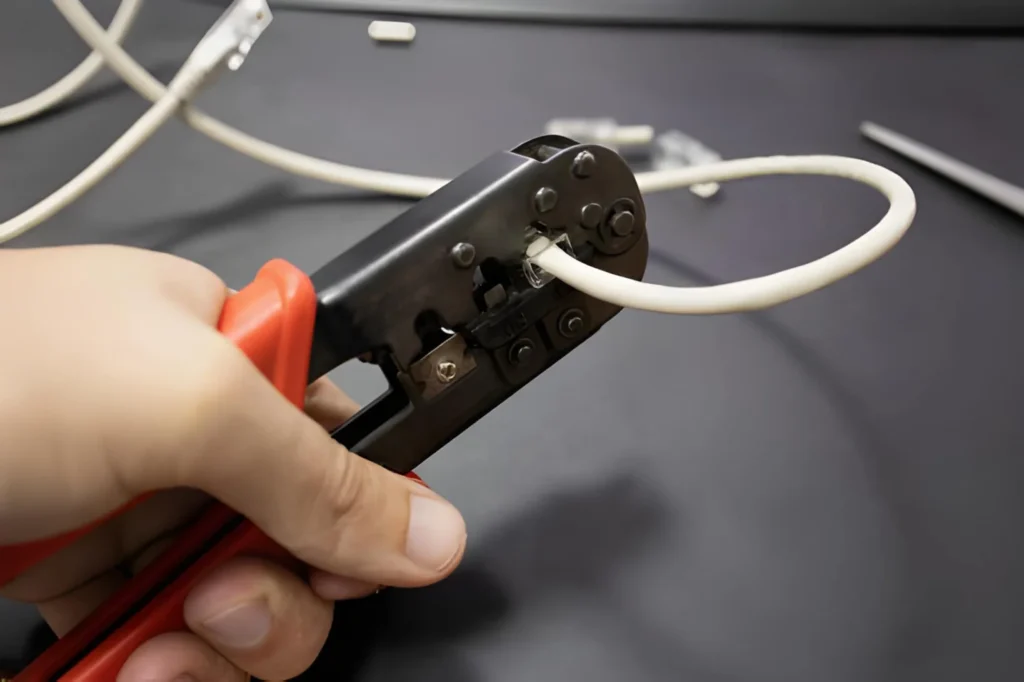
Crimping is a technique that joins metal pieces or other flexible materials by deforming one or both parts to firmly hold them together, and this deformation is called a “crimp.” A wire crimping tool is the device used to create this deformation and secure the connection.
This method is widely used in electrical work to connect wires or attach wires to connectors. The fittings made for this purpose, known as crimp connectors, usually combine a metal connector with an insulated sleeve.
The main role of a wire crimping tool is to ensure a strong and sealed connection that keeps out gas and moisture, avoiding electrical shorts or poor contacts. It enables electricians to connect wires without soldering or to properly finish a wire end.
Besides electrical uses, crimping is also applied in manufacturing and by engineers or mechanics for various other fastening tasks.
How to use wire crimping tool
To use a wire crimping tool, you will need these items:
wire, a connector, a wire stripper, and the crimping tool itself.
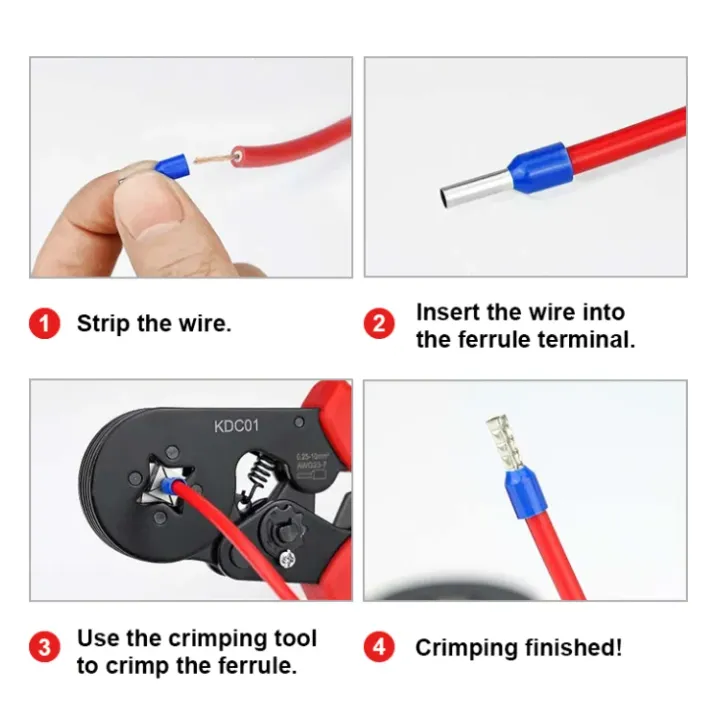
First, strip off the insulation from the wire end, leaving enough bare wire to fit inside the connector. A wire stripper helps with this step. Then, twist the wire strands together to make the tip stronger and improve the connection.
Next, place the connector into the crimping tool and hold it steady. Slide the wire into the connector, then press the crimping tool firmly. If your tool is a ratchet type, it will release automatically once the crimp is complete, so you don’t need to squeeze too hard.
To check if the crimp is good, pull on the wire and connector. If they come apart easily, that means the crimp failed. It’s better to find this out before installation than after.
What types of crimping tool are there?
Crimping tools come in various types, each suited for specific tasks. Here are the main kinds:
Bootlace Crimping Tool
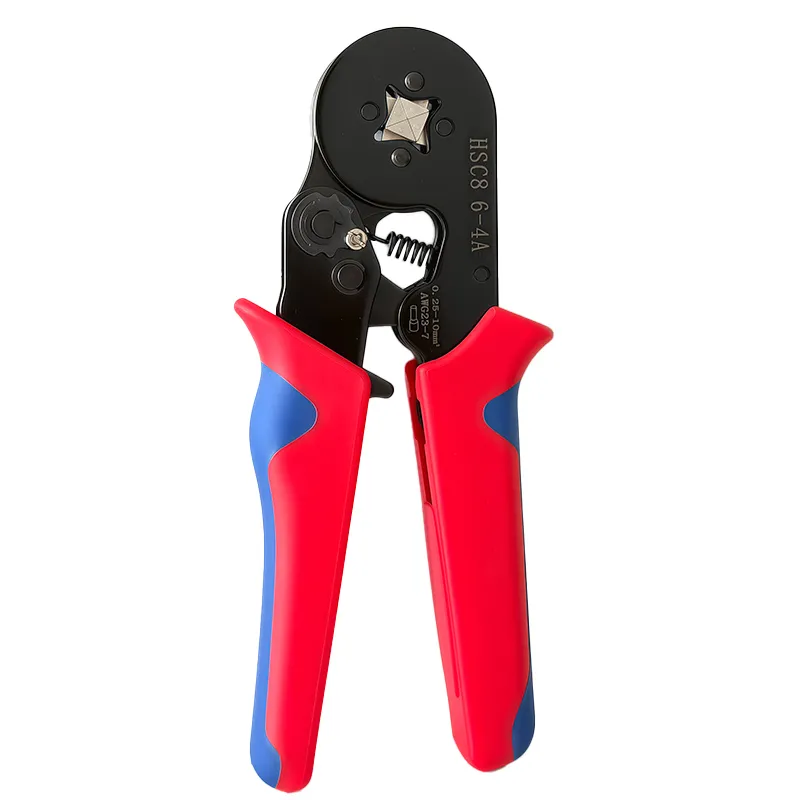
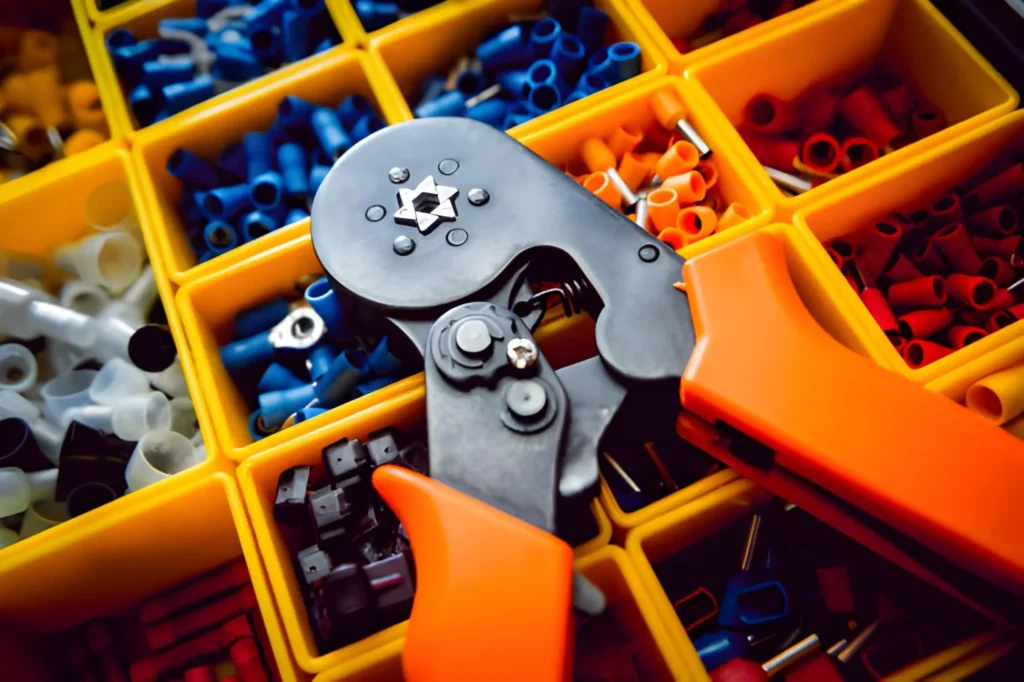
This tool crimps bootlace ferrules, which are metal tubes with colored insulation collars. They prevent multi-core wires from fraying in screw terminals and fit several common wire sizes. High-leverage models, like the Maun Bootlace Ferrule Crimper, provide strong crimps with less hand effort. Plier versions are available for a wider size range.
Thin Cable Precision Crimping Tool
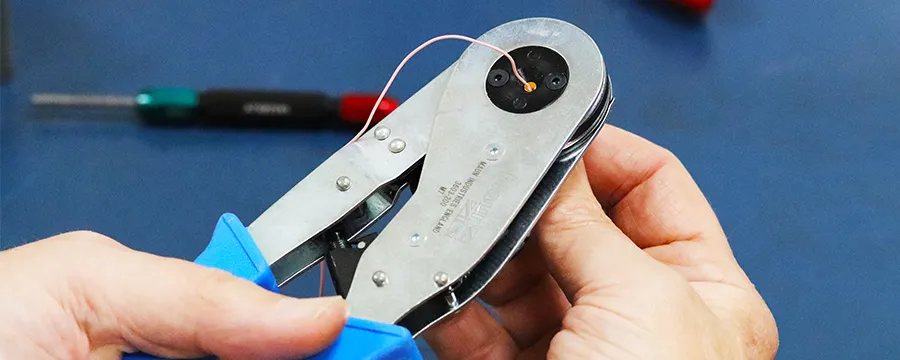
For thin cables where precision is critical, ratchet crimping tools reduce user error by controlling pressure. This ensures reliable crimps every time, especially on smaller cables.
Crimping Tool for QM & IP68
ConnectorsThese tools are made for QM and IP68 connectors used in mains control leads and small transmission systems. They accommodate QM connectors up to 24 AWG and IP68 connectors up to 28 AWG, offering versatility for various wire sizes.
Crimping Tool for Splice Connectors
Specialized for gel-filled or butt splice connectors, these tools are better than generic ones. The Scotchlok™ Crimping Plier, for example, works with Scotchlok™ 8A and 8B splices and includes a return spring for easier handling.
Crimping Tool for Coaxial Cable
Coaxial cables carry high-frequency signals and have a complex structure, making crimping harder. Tools for coaxial cables are designed according to the cable impedance (measured in Ohms). Be sure to choose one that matches your cable type for proper results.
Can you crimp wires with pliers?
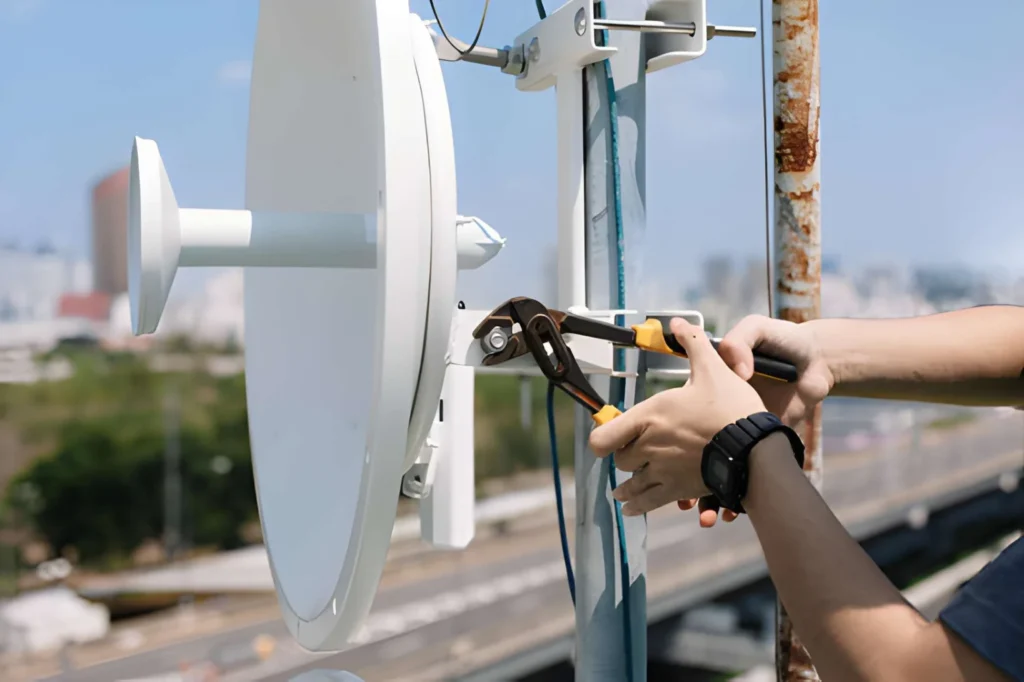
No, pliers cannot be used to crimp wires properly. They don’t create the secure cold weld connection that a wire crimping tool does. Using pliers can cause gaps that allow air and moisture in, which may lead to connection failure. It’s best to use a dedicated crimping tool for reliable results.
Secure Connections Made Easy with Wire Crimping Tools
Shop from a variety of wire crimping tools built for professional results. Don’t compromise on quality—find the tool that fits your work best.
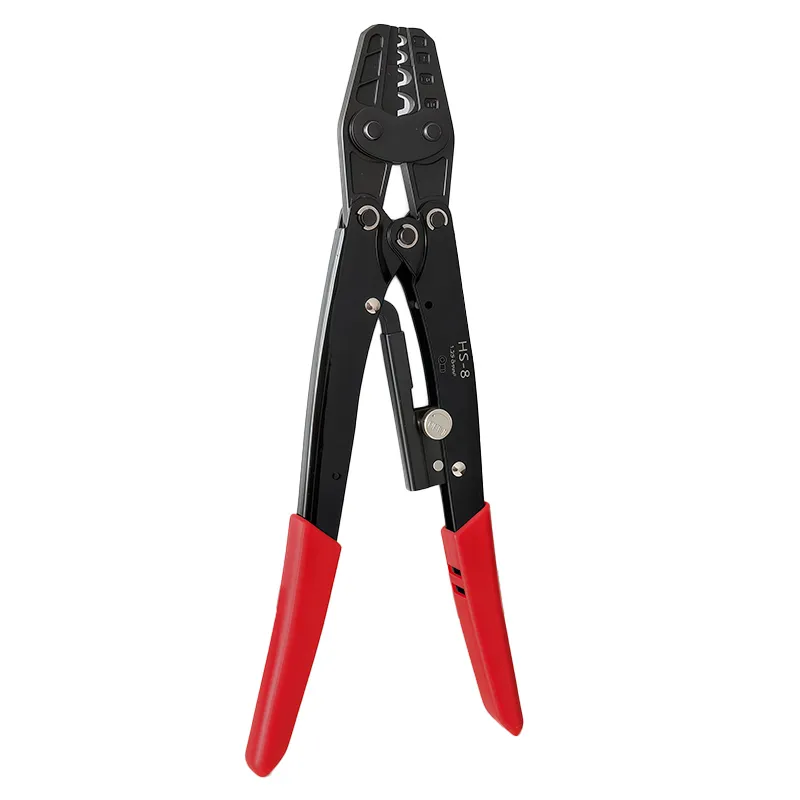
The best wire crimping tools are made by JiaPaiMi because they are specially designed for various crimp connectors. Manufactured in England, these tools ensure strong, secure connections. They also provide high leverage, meaning you use less hand pressure.
Is it better to crimp or solder?
Crimping generally provides a stronger and more dependable connection than soldering. Soldered joints can weaken over time, while crimping maintains durability. It is also easier to crimp wires in tight or hard-to-reach spaces like ceilings or under floorboards.
How do you undo a crimp?
Undoing a crimp is nearly impossible, and attempting to re-crimp often results in a weak and unreliable connection. The best solution is to cut the wire and, if needed, use an extension to make up for the lost length.
Look inside any control panel, car, boat, or solar system and you will see one thing in common: a lot of wires. Every one of those wires needs a safe, solid connection. That is exactly where wire crimping pliers make a huge difference. For installers and technicians, the right crimping tool means fewer failures and faster jobs. For buyers and tool brands, it means fewer complaints, fewer returns, […]
Key Features of Ratcheting Crimping Tool at a Glance Discover the essential features that make the JiaPaiMi ratcheting crimping tool a staple for professionals and DIYers alike. Designed for precision and durability, this electrical crimping tool excels in consistent, secure connections every time. Feature Description Benefit Precision Ratcheting Mechanism Ensures full-cycle crimping with reliable locking […]
Discover the key differences between dupont crimper and jst crimper tools plus expert tips for choosing the best crimper for reliable electronic connections
We use cookies to enhance your browsing experience, serve personalised ads or content, and analyse our traffic. By clicking "Accept All", you consent to our use of cookies.